








The ‘Why’ Behind the Shift
Not long ago, financial tracking for a young earner meant a complicated spreadsheet, a notebook, or simply a vague sense of dread around the end of the month. Today, that’s changing. A generation of young Indian professionals, more digitally native and
financially aware than any before, is actively seeking smarter ways to manage their money. This isn't just a trend; it's a response to a perfect storm of factors. Rising inflation, the high cost of urban living, and a cultural shift towards financial independence are pushing them to be more proactive. Unlike previous generations who might have prioritised job security and traditional savings, today’s professionals see financial discipline as a key skill for navigating a dynamic career and achieving goals like travel, further education, or even early retirement.
Beyond Budgets: The Rise of FinTech
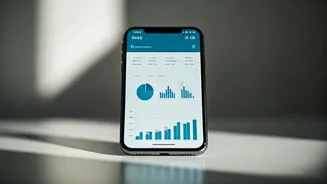
The single biggest catalyst in this movement is the explosion of financial technology, or FinTech. The widespread adoption of UPI has made every transaction, no matter how small, leave a digital footprint. While this creates a flood of data, it also provides the raw material for powerful new tools. Modern money management apps, built specifically for the Indian market, are turning this data into actionable insights. Instead of just recording what was spent, these platforms automate the entire process. They can read transaction alerts, categorise spending automatically, and provide a real-time overview of one's financial health without a single manual entry. This shift moves the focus from tedious data entry to strategic decision-making.
The New Toolkit for Financial Control
So, what does “smarter tracking” look like in practice? It’s a suite of digital tools that offer more than just a summary of expenses. Automated Expense Trackers: These apps connect to your SMS inbox to automatically log and categorise all your spending from UPI, cards, and bank transfers, giving a clear picture of where money goes. Goal-Based Planning Platforms: Many tools now allow users to set specific financial goals—like a down payment on a car or saving for a vacation—and track progress towards them. All-in-One Finance Hubs: The most advanced platforms integrate budgeting, expense tracking, and even investment management, offering a holistic view of one's net worth. Some even use AI to predict spending patterns and offer personalised advice. Subscription Managers: In an age of countless recurring payments, specific features help users identify and cancel services they no longer use, plugging common money leaks.
A Shift in Mindset, Not Just Method
Ultimately, this trend is about more than just technology; it's about a new financial mindset. For many young professionals, tracking money isn't about restriction but empowerment. Having a clear, data-driven view of their finances allows them to spend guilt-free on things they value while consciously cutting back elsewhere. It provides a sense of control in an uncertain economic environment and reduces financial stress. Studies show that Gen Z and younger millennials are highly motivated to achieve financial independence, and they see these digital tools as essential aids in their journey. They are more likely to experiment with new investment avenues and use financial apps to enhance their financial literacy.