
Why Calm Greetings Matter
An over-the-top greeting isn't just a nuisance; it's often a sign that your dog is overstimulated, anxious, or simply overwhelmed. While some dogs react with pure excitement, others exhibit these behaviours due to anxiety about a stranger entering their
space. This high-energy state can be stressful for your pet and unsafe for visitors, especially children or the elderly who can be easily knocked over. A chaotic doorway sets a stressful tone for the entire visit. By training a calm greeting, you’re not taking away your dog’s joy; you’re teaching them self-control, reducing their stress, and creating a safer, more predictable environment for everyone.
Set the Stage for Success
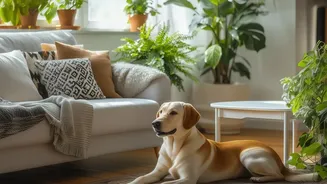
Before you can train a new behaviour, you need to manage the current one. This means preventing your dog from practising the frantic greeting. A simple strategy is to exercise your dog with a walk or active play before guests are due to arrive; a tired dog is often a calmer dog. You can also use management tools like keeping your dog on a leash when you answer the door, which gives you immediate control. Another effective method is creating a designated “safe space” for your pet—a crate, bed, or quiet corner where they can go with a special toy or puzzle feeder when the doorbell rings. This gives them a predictable job to do and removes them from the initial excitement at the door.
Train an Alternative Behaviour
Dogs repeat behaviours that get rewarded, and jumping often gets them attention (even negative attention). The goal is to teach them that a different action, like sitting, is far more rewarding. Train your dog to go to a specific spot, like their mat, on command. Start without the distraction of guests, rewarding them heavily for going to their mat. Gradually add in triggers, like having a family member knock on the door, and reward your dog for staying in their place. Another approach is to teach a solid “sit” or “down” as the default greeting behaviour. The rule becomes “four paws on the floor” for any attention. If they jump, the attention stops. When they sit, they get praise or a treat.
Make Greetings Optional
A crucial but often overlooked aspect of polite greetings is that they should be optional. Just as you wouldn't force a child to hug every relative, your dog should not be forced to interact with every visitor. Many dogs, especially those that are shy, anxious, or older, may not want to greet strangers. Forcing an interaction can increase their stress and may even lead to fear-based aggression. It's perfectly acceptable to advocate for your dog's space. Inform guests that your dog is in training or is feeling shy today. This respects your dog's needs and prevents uncomfortable situations. A dog that learns it doesn't have to greet everyone often becomes more confident and less reactive in the long run.
How to Coach Your Guests
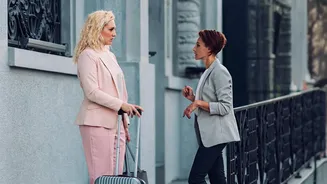
Your training efforts can be quickly undone by well-meaning guests who encourage jumping by saying, “Oh, I don’t mind!” It’s important to give your visitors clear, simple instructions before they even step inside. You can send a quick text beforehand or put a small sign on the door asking guests to please ignore the dog for the first few minutes. Instruct them not to make eye contact or pet the dog until it is calm and sitting. Once the dog offers the desired calm behaviour, the guest can then offer a gentle pat. This consistency from everyone teaches the dog that only calm behaviour earns them the attention they crave.