






The First Line of Defence: Waterproof Bags
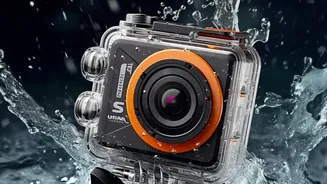
Your backpack’s rain cover is a good start, but it’s not enough to battle persistent rain. For true peace of mind, a dry bag is a non-negotiable investment. These are fully waterproof bags, typically with a roll-top closure that creates an airtight seal.
You can place your entire backpack inside a larger one or use smaller dry bags to compartmentalise electronics within your main pack. For phones, a transparent waterproof pouch is a great accessory, allowing you to use your screen and even take photos without exposing the device to the elements. These are readily available and provide excellent protection against both rain and accidental splashes.
Simple and Effective DIY Solutions
If you don't have specialised gear, common household items can be surprisingly effective. High-quality, resealable zip-top bags are a trekker's best friend. Use them to store your phone, power bank, and charging cables. For extra security, double-bag your most valuable items. You can also create a DIY waterproof case using a small plastic container with a tight lid, lined with foam for cushioning. For larger items, a few layers of plastic bags can serve as a temporary shield, but be sure to seal them securely.
Combatting the Invisible Threat: Humidity
Even if your gadgets don't get directly rained on, humidity can be a silent killer. Condensation can form inside your devices when moving between different temperatures, like stepping into a warm homestay from the cold, damp trail. This moisture can damage internal components. The best way to fight this is with silica gel packets—those little packets you find in new shoe boxes or with electronics. Throw a few into the zip-top bags or dry bags where you store your electronics. They work by absorbing excess moisture from the air, keeping the immediate environment around your gear dry.
Smart Habits on the Trail
How you manage your gadgets during the trek matters just as much as how you pack them. Keep your phone in an easily accessible but protected pocket, preferably an inner jacket pocket where it also benefits from your body heat. This warmth can help prevent battery drain, which happens faster in cold and damp conditions. Minimise the number of times you take your camera or phone out in heavy rain. If you’re a photographer, avoid changing lenses in the open, as this can allow moisture to enter the camera body and sensor. A good lens cloth is essential for wiping away moisture that fogs up your lens.
Emergency Protocol: What to Do If a Device Gets Wet
Accidents happen. If your phone or camera gets wet, the first and most critical step is to turn it off immediately and, if possible, remove the battery. Do not try to turn it on to see if it still works, as this can cause a short circuit. Gently wipe the exterior with a soft, absorbent cloth, paying attention to ports and openings. Resist the urge to use a hairdryer, as heat can damage delicate components. The widely circulated tip of putting the device in a bag of uncooked rice is not recommended; silica gel packets are far more effective at drawing out moisture. Place the wet device in an airtight bag filled with silica packets and leave it for at least 24 to 48 hours before attempting to turn it on.