




Understanding Root Rot
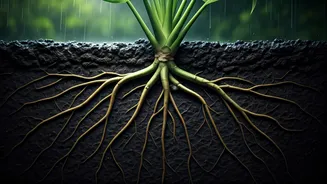
Root rot is a condition where a plant's roots begin to decay, primarily due to a lack of oxygen in overly wet soil. [2, 9] This suffocating, anaerobic environment becomes a breeding ground for fungi and bacteria that attack and break down the roots. [1,
9] Healthy roots are typically firm and white or tan, but rotted roots become soft, mushy, and brown or black. [1, 3] If left untreated, the damaged root system can no longer absorb water and nutrients, which will eventually kill the plant. [1, 2]
Spotting the Warning Signs
The first signs of trouble often appear above ground, but by then, the damage below may already be significant. [2] Be on the lookout for leaves that are yellowing, wilting, or dropping, even when the soil is moist. [1, 2, 3] Stunted growth is another classic symptom. [2, 4] A key indicator is a plant that looks thirsty and droopy despite being watered. [3, 13] You might also notice a foul, swampy, or rotten smell coming from the soil, which is a clear sign of decay. [1, 3] To be certain, you'll need to gently remove the plant from its pot and inspect the roots directly. If they are dark and mushy, root rot is the culprit. [1, 4]
Prevention Starts with Drainage
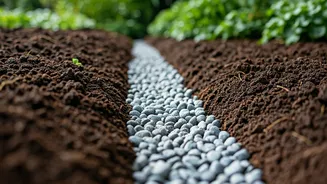
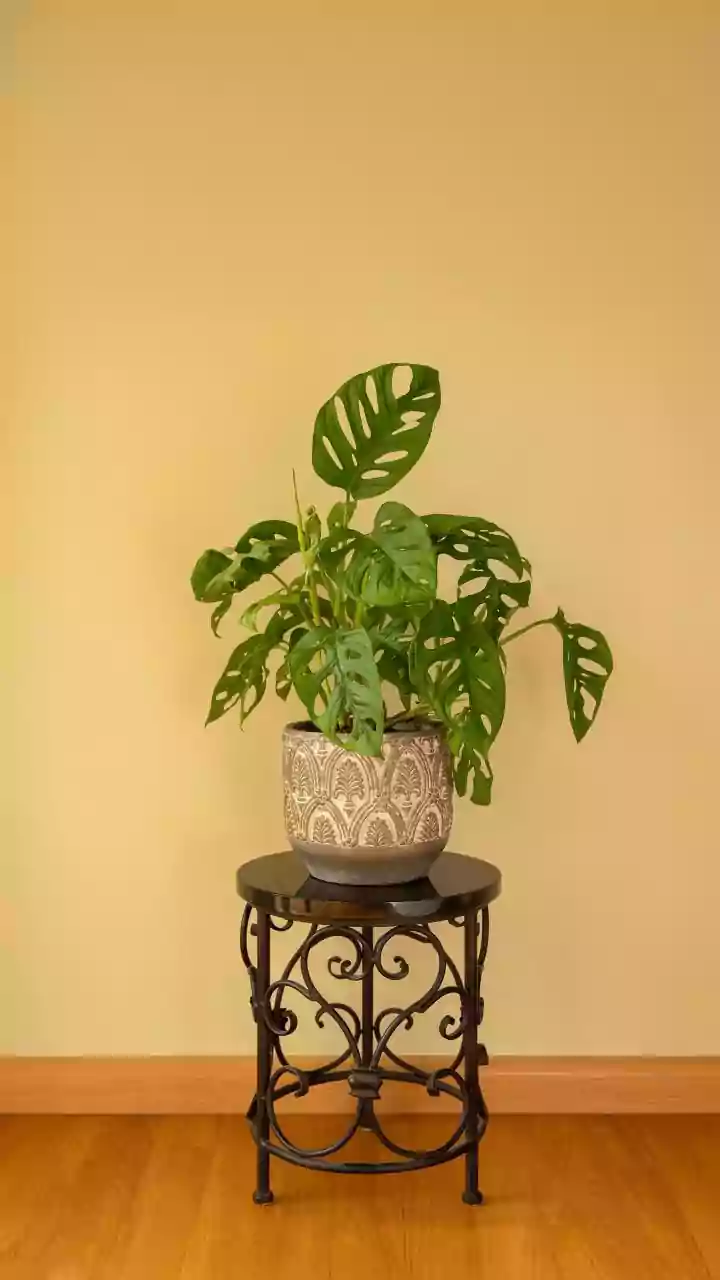
The best defence against root rot is prevention, and it all starts with excellent drainage. Ensure every pot has drainage holes at the bottom; this is non-negotiable. [2, 7, 22] Elevating pots on stands, bricks, or 'pot feet' can also help by allowing excess water to escape freely and improving airflow. [5, 6, 7] For garden beds, especially those with heavy clay soil, incorporating organic matter like compost can improve soil structure. [5, 16] Creating raised beds is another highly effective solution, as it lifts the plant's root zone above the waterlogged ground. [5, 8, 16]
Choose the Right Soil Mix
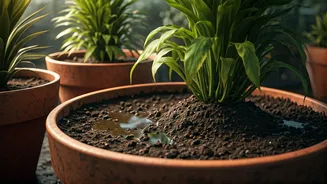
Standard garden soil is often too dense for containers and can become easily compacted and waterlogged during heavy rains. [10] Use a light, fluffy, well-draining potting mix. [11] Look for mixes containing ingredients like perlite, vermiculite, coarse sand, or pine bark, which create air pockets in the soil, allowing roots to breathe and water to drain effectively. [7, 11, 14] You can create your own mix by combining potting soil with amendments like coarse sand and cocopeat to enhance drainage and aeration. [10, 14]
Adjust Your Watering Routine
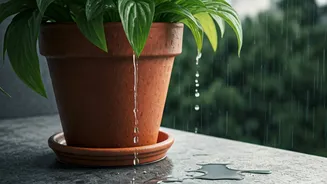
During periods of continuous rain, your plants may not need any additional watering from you. The biggest mistake is to stick to a rigid watering schedule. [22] Before you even think about watering, check the soil. A simple 'finger test' works well: stick your finger about an inch or two into the soil. If it feels damp, hold off on watering. [1, 22] Also, be sure to empty any saucers or trays that collect water beneath your pots to prevent the plant from sitting in a puddle. [21]
Emergency Treatment for Rotted Roots
If you discover root rot, you must act fast. Gently remove the plant from its pot and wash the soil from the roots to assess the damage. [2, 4] Using clean, sterilised scissors or pruning shears, carefully trim away all the brown, mushy, and smelly roots. [1, 15] Be thorough, as any remaining rot can spread. [15] If you have to remove a significant portion of the roots, it's also a good idea to prune back about a third of the plant's leaves to reduce the stress on the remaining root system. [1, 20] Finally, repot the plant in a clean pot with fresh, well-draining soil. [2, 15] Water it sparingly and place it in a spot with good light to help it recover. [12, 15]