


Amboli, Maharashtra: The Fog-Kissed Plateau
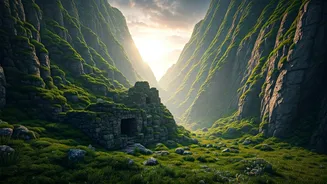
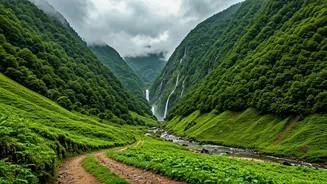
Tucked away in the Sahyadri Hills of southern Maharashtra, Amboli is a tranquil hill station that becomes otherworldly during the monsoon. As the rains sweep in from the Arabian Sea, a thick, cinematic fog blankets the landscape, reducing visibility to
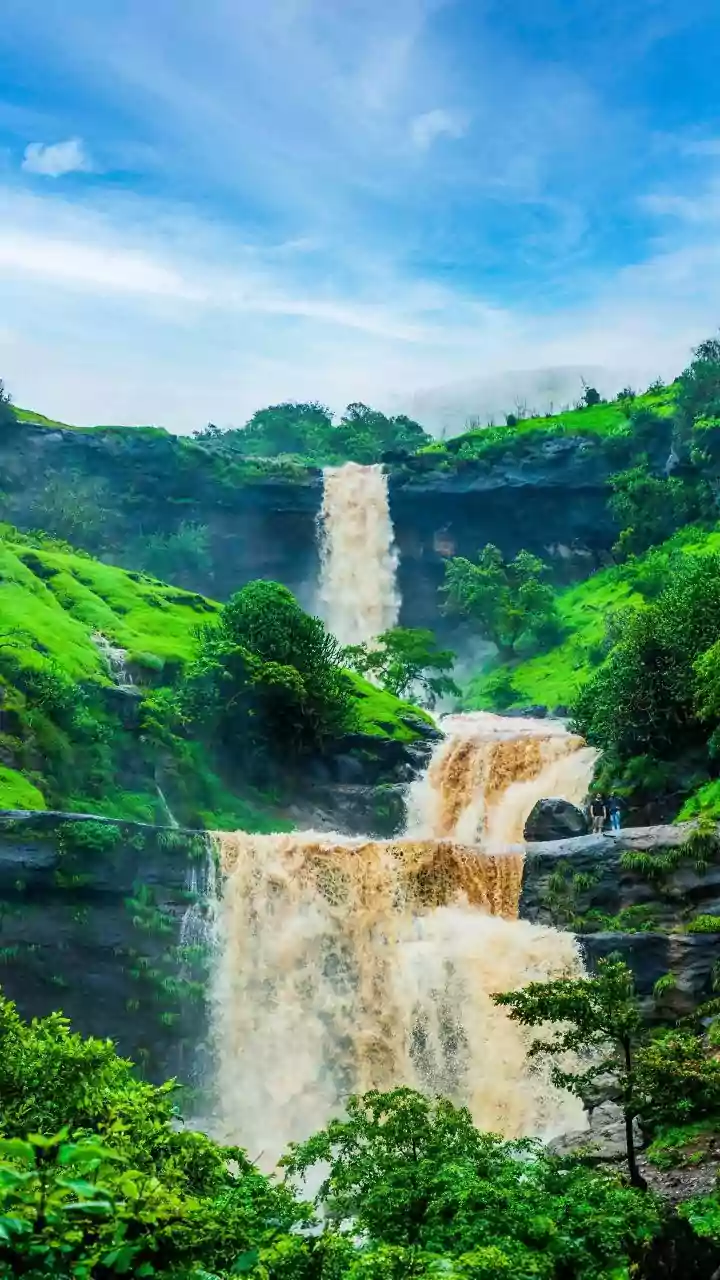
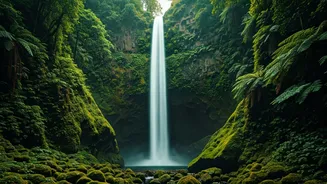
mere feet and creating a sense of profound peace. This isn't a place for a packed itinerary; it’s a destination for slowing down. The main activities are driving through the clouds and stopping at the numerous pop-up waterfalls that cascade down the hillsides, their roars echoing through the mist. The main Amboli Ghat viewpoint, when the fog momentarily clears, offers a breathtaking panorama of the lush Konkan coast below. It’s the perfect place to sip hot chai from a roadside stall and watch the world dissolve into white.
Wayanad, Kerala: The Emerald Highlands
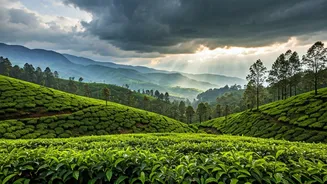
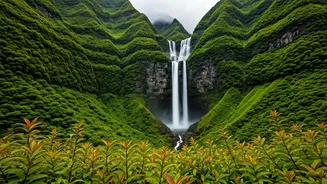
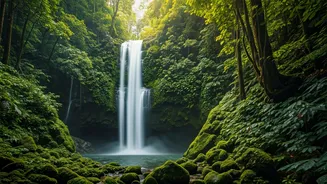
While Kerala’s backwaters get most of the attention, the highland district of Wayanad offers a completely different, and arguably more dramatic, monsoon experience. Blanketed in coffee, tea, and spice plantations, the rolling hills become intensely verdant. The air is cool and fragrant with the smell of wet earth and cardamom. Rain here isn't a drizzle; it's a performance. You can watch sheets of it sweep across the valleys from the comfort of a treehouse resort or a cozy homestay. For the more adventurous, the monsoon is the best time to trek to Soochipara Falls, which swells into a thundering spectacle, or to hike up to Chembra Peak, where a heart-shaped lake brims with fresh rainwater.
Mawsynram, Meghalaya: The Wettest Place on Earth
For those who want to experience the monsoon in its most epic form, there is no place like Mawsynram. Officially recognized as the rainiest inhabited place on the planet, this village in the Khasi Hills isn't just a destination; it's a total sensory immersion. The sound of rain is a constant companion, a percussive symphony on the tin roofs of homes. Here, locals use 'knups'—turtle-shell-like umbrellas made of bamboo and leaves—to navigate the downpour. The landscape is a fantasy of deep greens and dramatic waterfalls, best seen at the Nohalikalai Falls nearby. The region is also home to the famous living root bridges, centuries-old structures woven from the roots of rubber trees by the Khasi people, which look even more mystical when shrouded in mist and dripping with rain.
Agumbe, Karnataka: The Southern Rainforest
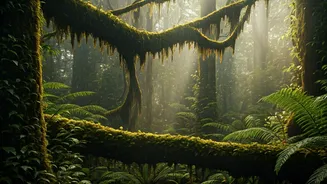
Often called the "Cherrapunji of the South," Agumbe is a tiny village nestled in the Western Ghats, a UNESCO World Heritage Site teeming with biodiversity. This protected rainforest, famous as the setting for the classic Indian TV show 'Malgudi Days,' becomes a herpetologist's dream during the monsoon, with an incredible variety of frogs, lizards, and the majestic king cobra making appearances. For travelers, it offers a rare chance to experience a tropical rainforest at its peak vitality. The views from the sunset point are legendary, offering a stunning vista of the forest canopy stretching to the horizon. When the rain stops and the clouds part, the setting sun paints the sky in fiery colors, reflecting off the wet leaves below—a truly unforgettable sight.
Bhandardara, Maharashtra: The Lakeside Sanctuary
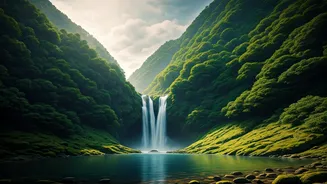
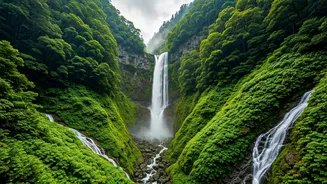
Just a few hours' drive from Mumbai, Bhandardara feels a world away from the city's chaos. This lakeside village is built around the vast Arthur Lake, which fills to the brim during the monsoon, reflecting the lush, green mountains that encircle it. The main attraction is the Wilson Dam; when it overflows, water crashes down onto the rocks below, creating a spectacular sight known as the Umbrella Falls. Nearby, Randha Falls becomes a powerful torrent, plunging dramatically into a gorge. It's a landscape of water and green, ideal for those looking to disconnect. Rent a simple room with a view of the lake, read a book as the rain patters outside, and feel the stress of modern life wash away with the tide.