




The Visual Inspection
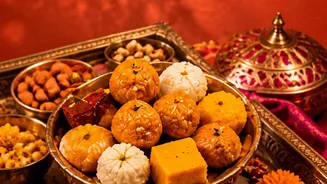
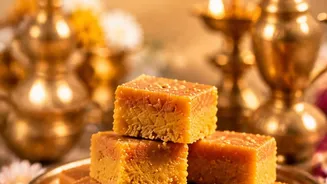
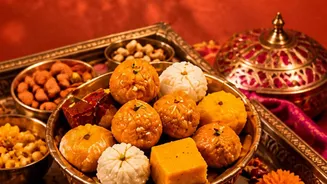
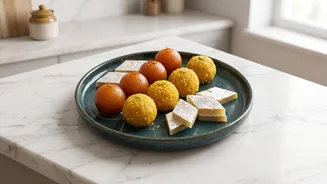
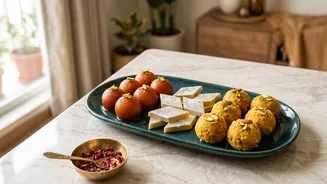
Your first line of defence is your eyes. Freshly made mithai should have a natural, appealing look. Be cautious of sweets that appear unnaturally dry, cracked, or discoloured. Milk-based sweets like barfi or kalakand should have a gentle, moist sheen.
If they look dull, chalky, or have developed dry, hard edges, they have likely been sitting out for too long. Also, keep an eye out for any fuzzy or dark spots, which are clear signs of mould. The decorative 'vark' or silver leaf should be incredibly thin and integrate with the sweet's surface; if it looks thick or flaky like aluminium foil, it’s best to avoid it.
Trust Your Sense of Smell
Aroma is a powerful indicator of freshness, especially with Indian sweets where ingredients like ghee, cardamom, and saffron play a starring role. Fresh mithai should carry the pleasant, rich scent of its main ingredients. If you detect a sour, stale, or oily smell, it's a major red flag. This often means the oil or ghee used is old and has gone rancid. Similarly, milk-based sweets that have started to spoil will emit a noticeably sour or off-putting odour. Don’t be shy about leaning in for a quick sniff before you buy; a reputable vendor will have nothing to hide.
Check the Texture
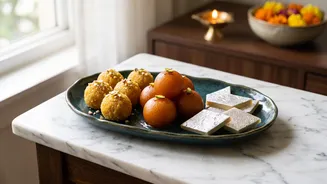
Texture can reveal a lot about a sweet’s age and quality. A besan ladoo should be firm yet melt in your mouth, not crumble into a dry powder at the slightest touch. A piece of kaju katli should be soft and smooth, not tough or rubbery. If a sweet feels excessively sticky or slimy, it could be a sign of spoilage or an indication that the seller is using extra sugar syrup to mask old, dry stock. For khoya-based sweets, you can perform a simple test: rub a small piece on your palm. Pure khoya will feel slightly grainy and leave a greasy residue from the milk fats, while adulterated versions may feel pasty or watery.
Beware of Common Adulterants
During the festive rush, adulteration becomes a serious concern as some sellers try to cut costs. Khoya and paneer are frequently bulked up with starch, blotting paper, or even harmful chemicals. A common test for starch is to dissolve a small piece of the sweet in hot water, let it cool, and add a drop of iodine solution. If the mixture turns blue, it confirms the presence of starch. Another major concern is fake silver vark, which is often cheap aluminium. You can check this by gently rubbing the foil. Real silver leaf will disintegrate into the skin, whereas aluminium will roll up into a tiny ball.
Watch Out for Unnaturally Bright Colours
While vibrant sweets can look tempting, excessively bright, neon colours are a warning sign. Food safety regulations only permit specific food-grade colours in limited amounts. Those brilliant yellows, greens, and oranges often indicate the use of non-permitted and potentially harmful industrial dyes. To be safe, it's wiser to opt for sweets with more natural, subdued colours that come from their ingredients, like the gentle yellow from saffron or the brown from roasted besan. A sweet that is too colourful may be hiding more than just dye.
Assess the Shop’s Hygiene
Take a moment to look around the shop before you make a purchase. Is the overall environment clean? Are the sweets kept in covered trays to protect them from dust and flies? Observe the staff as well. Are they using gloves or tongs to handle the sweets, or are they handling money and food with the same bare hands? A clean, well-maintained shop is often a reliable indicator of good hygiene practices and overall quality control. Buying from a place that clearly values cleanliness reduces the risk of contamination.
Don't Hesitate to Ask Questions
As a consumer, you have the right to be informed. It is perfectly acceptable to ask the shopkeeper when the sweets were made. In fact, the Food Safety and Standards Authority of India (FSSAI) has mandated that sweet shops display the 'Date of Manufacture' and 'Best Before' date on loose sweets. Look for these labels. If a vendor is transparent and answers your questions confidently, it's a good sign. If they seem evasive or annoyed, it might be best to take your business elsewhere. Buying from trusted and reputable vendors is one of the surest ways to guarantee quality.