





The Core Journey: Northeast India's Natural Wonders
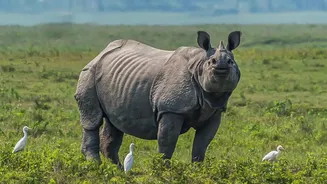
Before venturing beyond the border, it’s essential to appreciate the foundation of your adventure. A classic nature tour through Northeast India is a world-class experience in itself. Key highlights include spotting the one-horned rhinoceros during a jeep
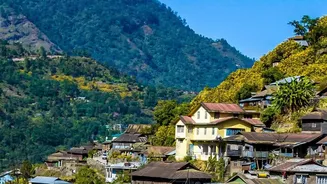
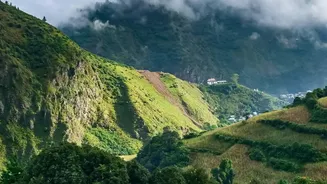
safari in Assam's Kaziranga National Park, a UNESCO World Heritage site. In Meghalaya, you can witness the marvel of bio-engineering by trekking to the living root bridges, some of which are centuries old. Further afield, the serene, floating islands (phumdis) of Loktak Lake in Manipur and the alpine beauty of Tawang in Arunachal Pradesh offer landscapes that feel almost otherworldly. These experiences ground your journey in the unique ecosystems of the Eastern Himalayas and its foothills.
Add-On 1: Bhutan, The Kingdom in the Clouds
Just a stone's throw from Assam and West Bengal, Bhutan offers a seamless and spiritually enriching extension to your trip. You can enter by road from Guwahati via Samdrup Jongkhar or from Siliguri via Phuentsholing. For Indian citizens, entry is straightforward with a valid passport or Voter ID card. Bhutan's philosophy of Gross National Happiness is reflected in its pristine, constitutionally-protected forests. The journey from the border town of Phuentsholing to the capital, Thimphu, is a dramatic ascent through lush mountains. A trip here adds a layer of serene, Buddhist-influenced nature appreciation, from trekking to the iconic Tiger's Nest Monastery clinging to a cliffside to exploring the high-altitude valleys of Paro and Punakha.
Add-On 2: Nepal's Wild Terai Plains
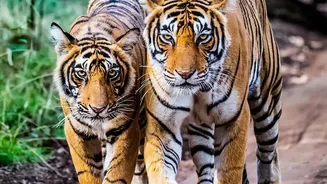
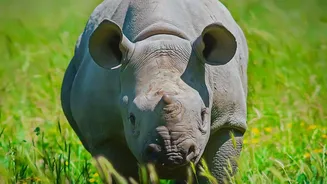
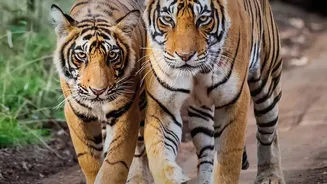
While famous for its towering peaks, Nepal also boasts a spectacular wildlife belt in the southern Terai plains, easily combined with a trip starting or ending near West Bengal. Chitwan National Park, a UNESCO World Heritage site, is Nepal's premier safari destination. It is renowned for its dense population of the greater one-horned rhinoceros and offers a strong chance of spotting Royal Bengal tigers, sloth bears, and elephants. Activities here are diverse, including jeep safaris, guided jungle walks, and tranquil canoe rides on the Rapti River to see gharials and marsh mugger crocodiles. For those seeking a more remote experience, Bardia National Park offers a wilder, less-crowded alternative and is considered one of the best places in Nepal for tiger sightings.
Add-On 3: The Sundarbans, A Mangrove Wilderness
For a completely different kind of natural wonder, consider a detour to the Sundarbans, the world's largest mangrove forest, which straddles the border of West Bengal and Bangladesh. Easily accessible from Kolkata, a tour here involves navigating a labyrinthine network of tidal waterways by boat. This unique, semi-aquatic ecosystem is a designated Tiger Reserve and home to a famously elusive population of swimming Royal Bengal tigers. While tiger sightings are rare and require patience, the experience of exploring this amphibious world is unforgettable. You are more likely to spot estuarine crocodiles, monitor lizards, and a rich diversity of birdlife. Tours typically involve stays in jungle lodges and visits to watchtowers like Sajnekhali and Sudhanyakhali for panoramic views of the forest.
Add-On 4: Myanmar's Untouched Ecotourism
Sharing a long border with four Northeast Indian states, Myanmar presents an opportunity for the truly adventurous to explore Southeast Asia's emerging ecotourism hotspots. While access can be more complex, the rewards are immense. Destinations like Indawgyi Lake Wildlife Sanctuary, Myanmar's largest natural lake, offer incredible birdwatching and a glimpse into life in stilt villages. For the intrepid trekker, Hkakaborazi National Park in the far north contains Southeast Asia's highest peak and is an extension of the Himalayan range. Closer to the border, sanctuaries like the Hukaung Valley Tiger Reserve, one of the world's largest protected forest areas, showcase a commitment to preserving biodiversity. Exploring these areas provides a fascinating contrast, connecting the Eastern Himalayas to the broader ecosystems of Southeast Asia.