





The Age of the Adaptation
The practice of remaking films is not new to Bollywood; it has been a part of the industry for decades, with classics like 'Hera Pheri' (2000) and 'Himmatwala' (1983) being adaptations of successful regional films. However, the frequency of this trend
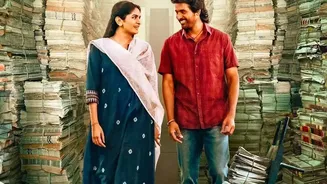
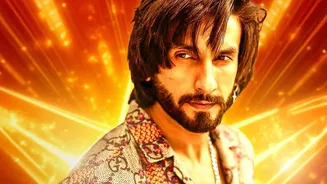
has accelerated dramatically in recent years. Post-pandemic, a significant number of major Hindi releases have been official remakes of South Indian hits, including 'Vikram Vedha', 'Jersey', 'Shehzada', and 'Bholaa'. This surge suggests a shift from an occasional practice to a core strategy for many of Bollywood's biggest production houses, raising questions about the industry's direction and creative health.
The Safety of a Sure Bet
The primary driver behind the remake boom is economics. A film that has already succeeded in another language comes with a pre-tested concept and a proven box office formula, making it a less risky investment for producers. In an industry where big-budget films can make or break studios, the appeal of a story that has already resonated with an audience is powerful. This financial security often encourages producers to pour even more money into the Hindi version, scaling up the production, casting bigger stars, and mounting grander marketing campaigns. Successful remakes like 'Kabir Singh' and 'Drishyam 2' have demonstrated the massive commercial potential of this model, with both films far out-grossing their original counterparts.
The Catch-22 of Accessibility
Ironically, the very thing that makes South Indian films attractive for remakes—their quality and popularity—is also becoming the biggest obstacle to the success of their Hindi versions. With the rise of OTT streaming platforms, language barriers have all but disappeared. Audiences in North India can, and often do, watch the original Tamil, Telugu, or Malayalam films with subtitles or in dubbed versions long before the Bollywood remake is even announced. This easy access has led to audience fatigue and a sense of redundancy. Recent high-profile remakes like 'Shehzada' and 'Selfiee' failed to make a mark at the box office, partly because a large portion of the target audience had already seen and appreciated the originals, 'Ala Vaikunthapurramuloo' and 'Driving Licence', respectively.
The Stifling of Originality
Beyond the commercial successes and failures, critics argue that the over-reliance on remakes is having a detrimental effect on creativity within Bollywood. When producers prioritise proven scripts from other industries, it can reduce opportunities and funding for original screenplays and emerging writers. This creates a cycle where the industry is seen as increasingly derivative, a perception that has grown as audiences turn to the more experimental and rooted storytelling often found in regional cinema. Furthermore, many remakes are criticized for failing to adapt the story in a meaningful way, either by creating a frame-by-frame copy that feels sterile or by losing the cultural nuances that made the original special.
A Path Forward: Adaptation vs. Imitation
The future of this trend may lie in distinguishing between lazy imitation and thoughtful adaptation. The few remakes that have succeeded recently, like 'Drishyam 2', did so by respecting the source material while building upon it for an audience that was already invested. For Bollywood, the remake culture serves as both a crutch and a bridge. It has facilitated a greater exchange of stories and talent across India, blurring the lines between regional industries. However, the string of recent failures sends a clear message from the audience: a familiar story with a bigger budget is no longer enough. The industry is at a crossroads, where it must decide whether to continue chasing proven formulas or to invest once again in the originality that once defined it.