







A Modern Twist on a Classic Treat
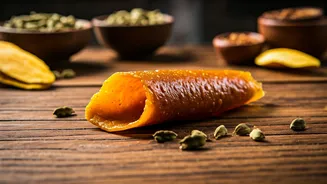
Across India's urban centres, a curious trend is taking shape. The humble aam papad is shedding its old-fashioned image and emerging as a trendy, premium snack. [5, 13] This revival isn't happening in big supermarkets, but in the curated aisles of artisanal
farmers' markets and on the aesthetically pleasing feeds of Instagram. Younger consumers are increasingly drawn to homemade and small-batch versions of this traditional delicacy. [3] Brands are responding by preserving authentic recipes while innovating with premium packaging, hygienic processing, and even new flavours, creating a product that feels both familiar and fresh. [5, 8]
The Search for Authenticity
So, what's driving this resurgence? A key factor is Gen Z's growing desire for authenticity and transparency in what they consume. [2] This generation is moving away from mass-produced, processed foods, showing a preference for products with simple, trustworthy ingredients. [3] The appeal of artisanal food lies in its connection to tradition and quality craftsmanship. [19] These products are often made in small batches using age-old techniques, which resonates with consumers who value the story behind their food. [19, 20] By choosing homemade-style snacks, shoppers feel a sense of safety and freshness that packaged goods often can't match. [6]
The Artisanal and Homemade Advantage
Artisanal aam papad isn't just about rustic charm; it's about superior quality. Small-scale producers often use high-quality, ripe mango varieties and traditional sun-drying methods that mass producers might forgo. [8] This results in a more intense, natural flavour. [18] Furthermore, the artisanal space allows for innovation. Consumers can now find aam papad with intriguing twists like masala, chaat seasoning, or different levels of sweetness and tanginess. [21] This variety, combined with the assurance of a handmade product, elevates the simple fruit leather into a gourmet experience that Gen Z is willing to pay more for. [2]
From Local Markets to Digital Storefronts
The rise of artisanal aam papad is also a story about modern commerce. Farmers' markets and local food festivals provide a direct link between producers and consumers, fostering a sense of community and trust. [23, 25] These markets act as cultural hubs, preserving culinary traditions and allowing shoppers to connect with the source of their food. [20, 23] Simultaneously, social media and e-commerce platforms have empowered home-based entrepreneurs to reach a national audience. [6, 9] A visually appealing Instagram post can now generate as much interest as a stall in a busy market, allowing these small businesses to thrive by catering to a generation that discovers and makes purchases online. [13, 22]
A Taste of Modern Nostalgia
At its heart, the trend is about more than just a snack; it's about reconnecting with the past in a way that feels current. For many, aam papad is deeply tied to childhood memories and family. [5, 9] This revival is driven by a nostalgia for those simpler times, but with a modern filter. [12] Gen Z isn't just passively consuming tradition; they are actively curating it. [4] They are seeking out flavours that feel grounding and familiar but are presented in a way that aligns with their values of quality, authenticity, and visual appeal. [2, 12] This blend of global curiosity and local comfort is redefining India's food landscape. [12]