


A Foundation Built on Reliability
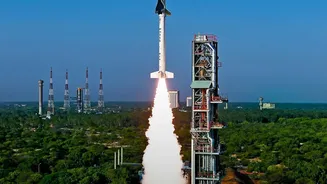
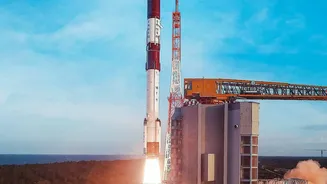
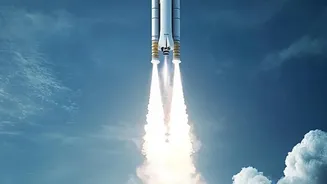
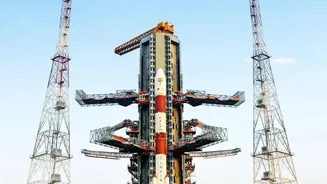
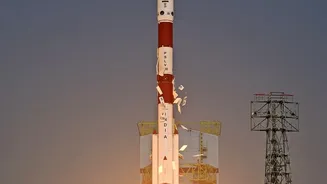
For decades, the Indian Space Research Organisation (ISRO) carved its niche in the global space market with a simple but powerful value proposition: reliability at an unmatched cost. The Polar Satellite Launch Vehicle (PSLV) became the workhorse of choice
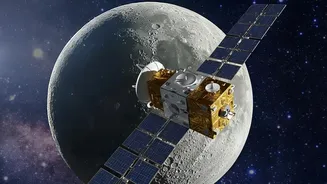
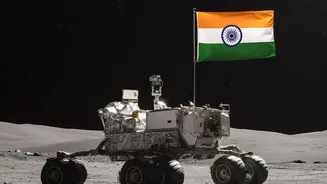
for nations looking to send satellites into orbit without breaking the bank. This strategy was not just about commerce; it was about building capacity, perfecting launch technologies, and earning the world's trust. By successfully launching hundreds of foreign satellites, ISRO generated not only revenue but also immense goodwill and technical confidence. This foundational period was crucial. It allowed India to master the complexities of launch vehicle technology and satellite deployment, setting the stage for a new era of more ambitious and scientifically demanding missions. The success of missions like Chandrayaan-1, which discovered water on the moon, and the Mars Orbiter Mission (Mangalyaan), which reached Mars on its first attempt, were direct results of this patient, methodical capacity-building.
The Human Frontier: Gaganyaan
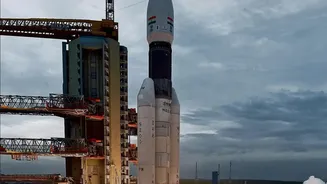
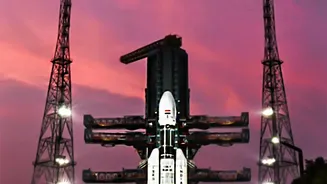
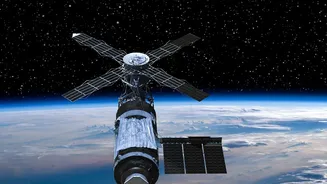
The clearest signal of India's newfound confidence is the Gaganyaan programme, its first human spaceflight mission. Sending humans to space is exponentially more complex and riskier than launching satellites. It requires perfecting not just the rocket but also life support systems, crew escape protocols, and re-entry and recovery operations. After a series of uncrewed test flights, the first of which is expected in 2026, ISRO aims to launch a crew of three astronauts into an orbit of 400 km for a three-day mission. Upon successful completion, India will join the elite club of nations—after the US, Russia, and China—capable of independent human spaceflight. This isn't just a technological milestone; it's a geopolitical statement. Gaganyaan will pave the way for a future Indian space station, planned for deployment by 2035, and more complex collaborative missions, cementing India's status as a top-tier spacefaring nation.
Deep Space: Eyes on Venus and Mars
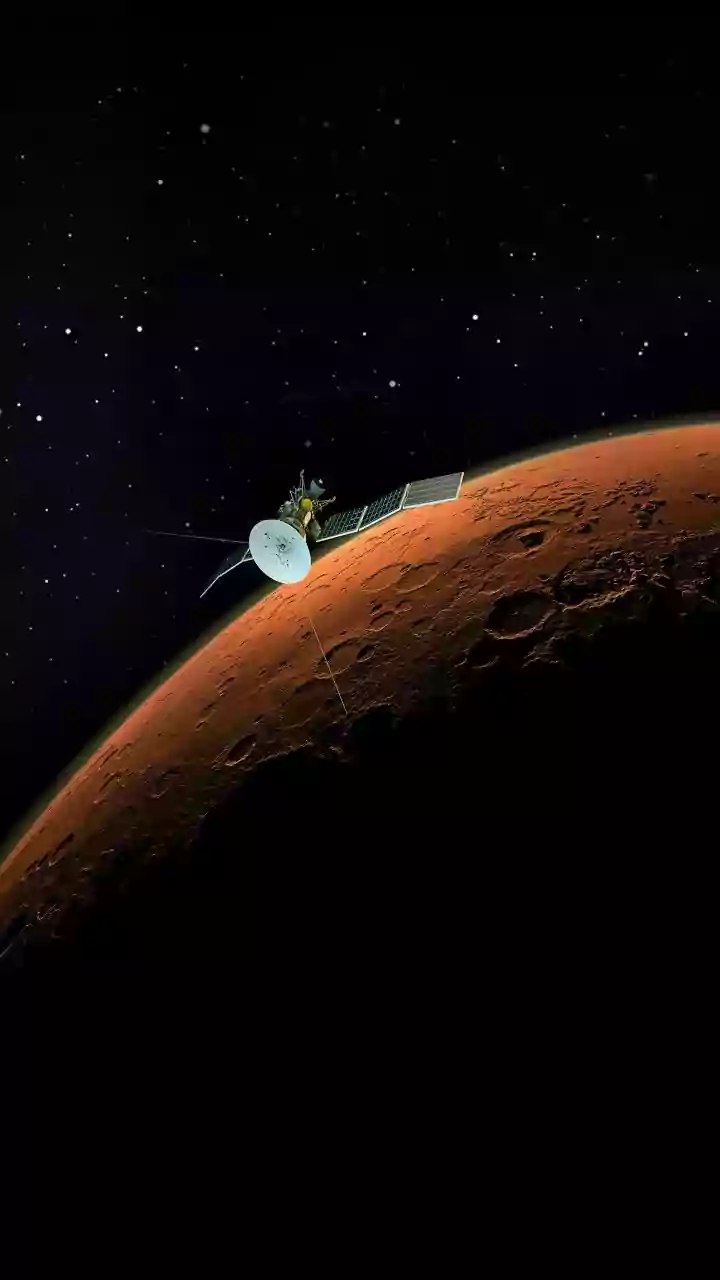
Beyond low Earth orbit, ISRO is setting its sights on our planetary neighbours. The planned Shukrayaan-1 mission to Venus, scheduled for a 2028 launch, demonstrates a growing appetite for deep-space science. Venus, with its extreme greenhouse effect and crushing atmosphere, holds vital clues about planetary evolution and climate change. Shukrayaan-1 will carry advanced instruments, including some in collaboration with international partners, to study the Venusian surface and atmosphere. Similarly, after the stunning success of its first Mars orbiter, ISRO is planning a more ambitious Mars Lander Mission (MOM-2 or Mangalyaan-2). This mission is expected to include not just an orbiter but also a lander, a rover, and potentially even a helicopter to explore the Martian surface. Attempting a soft landing on another planet showcases a significant leap in technical capability and a willingness to undertake high-risk, high-reward scientific exploration.
Collaboration and Commercialization
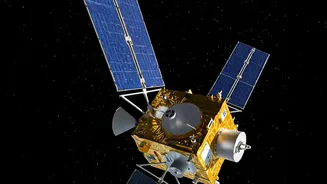
Perhaps the most mature sign of confidence is the nature of ISRO's new collaborations and its embrace of commercialization. The NASA-ISRO Synthetic Aperture Radar (NISAR) mission is a prime example. This joint Earth-observation satellite, one of the most expensive of its kind, involves both agencies contributing critical hardware. NASA providing the L-band radar and ISRO providing the S-band radar and the launch vehicle is a partnership of equals, a far cry from the client-provider relationships of the past. At the same time, the Indian government's space policy reforms, culminating in the Indian Space Policy 2023, have empowered private players. The creation of IN-SPACe as a single-window agency for the private sector has spurred a boom in space startups. By transitioning routine manufacturing and launch services to private companies, ISRO is freeing itself to focus on what it does best: pioneering research and development for the next frontier of exploration.