





The Core Philosophy: Layer and Waterproof
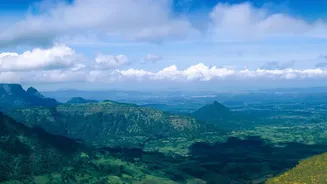
Packing for the Western Ghats, especially during or after the monsoon, is an exercise in managing moisture. The goal isn't to stay completely dry—in sustained rain, you will get wet. The goal is strategic waterproofing. This means protecting your core
warmth and critical items like electronics and a spare set of dry clothes. Everything you pack should be lightweight and quick-drying. Cotton is your enemy; it absorbs moisture, gets heavy, and takes forever to dry, leaving you cold and uncomfortable. Synthetics like polyester and nylon are your best friends. Finally, use dry bags or even sealed plastic bags to compartmentalise everything inside your main backpack.
Essential Clothing: Quick-Dry and Protective
Your clothing system is your first line of defence against the elements. Start with two pairs of full-sleeve, quick-dry t-shirts. Full sleeves offer protection from the sun, insects, and scratches on the trail. Pair these with one or two pairs of lightweight, synthetic trekking pants. Avoid shorts to protect your legs from scratches and leech bites. A crucial item is a reliable rain poncho or a lightweight, breathable rain jacket. A poncho is often preferred as it can cover you and your backpack, offering better ventilation in humid conditions. Always pack at least one complete set of dry clothes (t-shirt, pants, undergarments) sealed in a waterproof bag, strictly for use at your campsite or lodging. This simple step is vital for comfort and preventing hypothermia.
Footwear: Grip is Everything
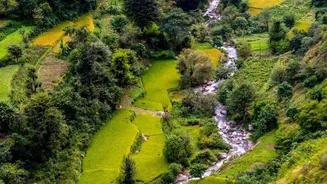
The terrain in the Western Ghats is notorious for being rocky and extremely slippery when wet. Your choice of footwear is the most important gear decision you will make. Do not wear regular sports shoes or sneakers; their flat soles offer no grip on wet rock and can be dangerous. Invest in a pair of trekking shoes with a deep, aggressive grip. While waterproof boots sound like a good idea, in the continuous rain of the Ghats, water often gets in from the top, and the waterproof membrane then traps it inside. Many experienced trekkers prefer non-waterproof shoes with good drainage that dry faster. Whichever you choose, ensure they are well broken-in. Pair them with synthetic or wool-blend socks, never cotton, to prevent blisters.
The Right Backpack and Accessories
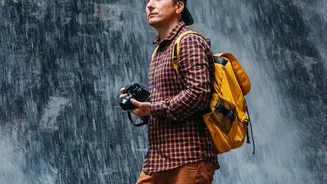
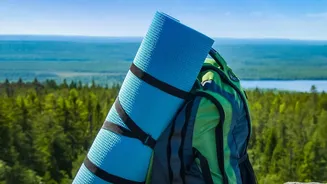
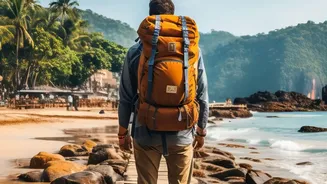
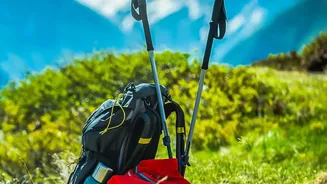
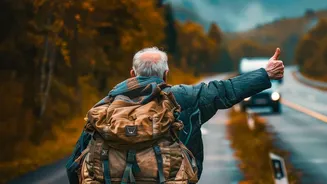
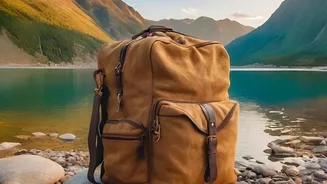
Choose a backpack with a capacity of 20-40 litres for a day or two-day trek. Ensure it has a rain cover. Even with a cover, it's wise to line the inside of your pack with a large plastic bag as a secondary layer of waterproofing. A trekking pole can be a massive help, providing an extra point of contact on slippery descents and helping you balance during stream crossings. A headlamp with extra batteries is a non-negotiable safety item, as you should never rely on your phone's torch to save its battery for emergencies.
Safety, First Aid, and Leech Protection
A personal first-aid kit is essential. It should contain antiseptic wipes, bandages, pain relievers, blister tape, and any personal medications. For the Western Ghats, this kit needs some specific additions for dealing with leeches, which are common in the monsoon. Carry a small bottle of antiseptic liquid, salt, or a sanitiser to help remove leeches if they attach to you. Never pull them off, as their mouthparts can remain in the wound and cause infection. Wearing leech-proof socks or tucking your trousers tightly into your regular socks can help prevent them from reaching your skin. An insect repellent containing DEET can also be effective.
Hydration and Nutrition
Even though the weather might feel cool and wet, it's easy to get dehydrated while trekking. Carry at least two litres of water. A reusable water bottle or a hydration bladder is perfect. To keep your energy levels up, pack lightweight, high-energy snacks like nuts, energy bars, dates, and electoral powder to add to your water. These are easy to eat on the move and provide a quick boost without weighing you down.