









The River That Watered an Industry
Long before the first smokestacks punctuated the skyline, the Noyyal River was central to the region's prosperity. The fertile black soil in its basin was ideal for cultivating cotton, a practice dating back centuries and even attracting Roman trade.
This agricultural abundance laid the groundwork for what was to come. When the industrial revolution arrived in Coimbatore, the Noyyal's role became even more critical. The seasonal river provided the vast quantities of water essential for the initial stages of textile production, including dyeing and bleaching processes that would come to define the industry. The river was not just a passive resource; it was an active participant in the birth of a textile giant.
The Rise of the Mills
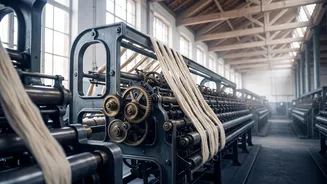
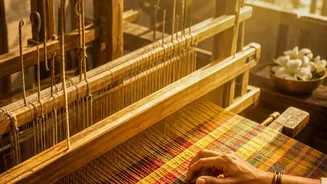
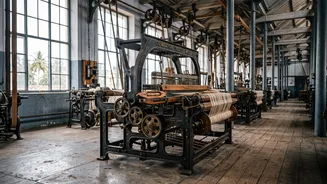
The late 19th and early 20th centuries marked a period of explosive growth. The establishment of the Coimbatore Spinning and Weaving Mills in 1888 by Sir Robert Stanes was a pivotal moment, ushering in the modern industrial era for the city. Inspired by this venture, a wave of entrepreneurs followed suit, establishing mills like Lakshmi Mills, and transforming the landscape along the river. The availability of hydroelectric power from the Pykara Falls project in the 1930s further accelerated this boom, providing reliable energy to power the looms and spindles. Coimbatore wasn't just building factories; it was weaving a new economic and social fabric, with the river at its core, creating employment and fostering a spirit of enterprise that still defines the city today.
A Complicated Legacy of Pollution
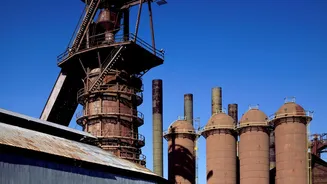
The same industry that brought prosperity also exacted a heavy environmental toll. For decades, untreated effluents from dyeing and bleaching units were discharged directly into the Noyyal. The river that had nurtured the textile boom became a repository for its toxic by-products, including harmful chemicals and heavy metals. This pollution had devastating consequences, rendering the water unfit for use and turning fertile agricultural land along its banks barren. The Orathupalayam Dam, built downstream in 1992 for irrigation, tragically became a storage tank for industrial sludge, a stark symbol of this complicated legacy. The story of the Noyyal is thus a double-edged one: a tale of creation and destruction, where industrial ambition collided with ecological limits.
Preserving Heritage, Restoring a Lifeline
Today, Coimbatore grapples with this dual heritage. While many of the historic mills have given way to new developments, the conversation around preserving the city's industrial past is growing. The concept of industrial heritage conservation is still relatively nascent in India, facing challenges from developmental pressures and a lack of formal recognition. However, local organisations like INTACH have been active in restoring some of the city's historic buildings, signalling a rising awareness of their value. Simultaneously, efforts are being made by citizen-led groups like Siruthuli to restore the Noyyal River itself, a massive undertaking aimed at cleaning its streams and reviving its flow. These initiatives reflect a desire to not only remember the foundations of the city's wealth but also to heal the environmental wounds inflicted in the process.