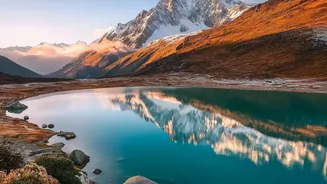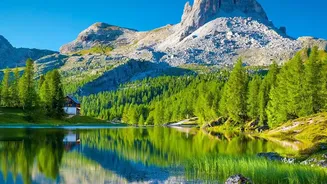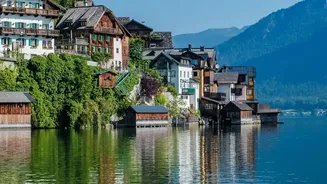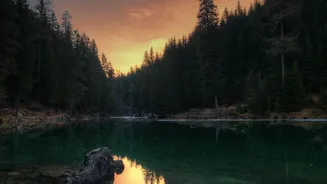

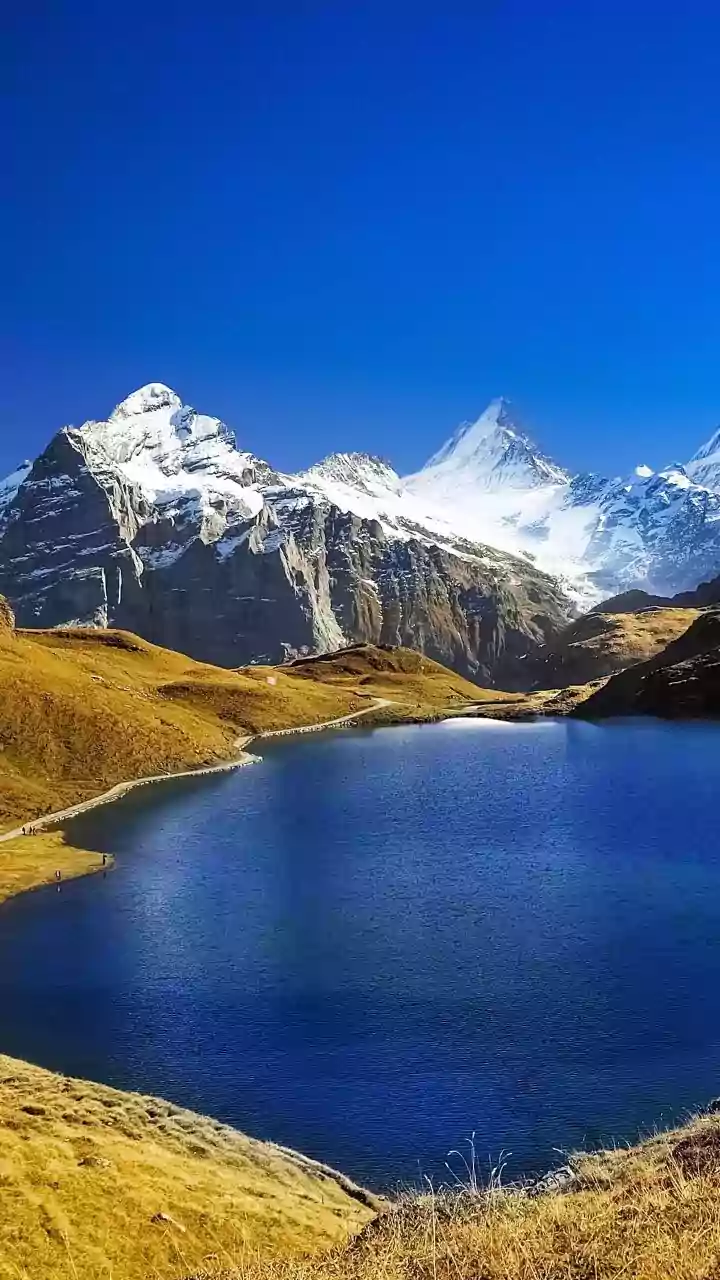
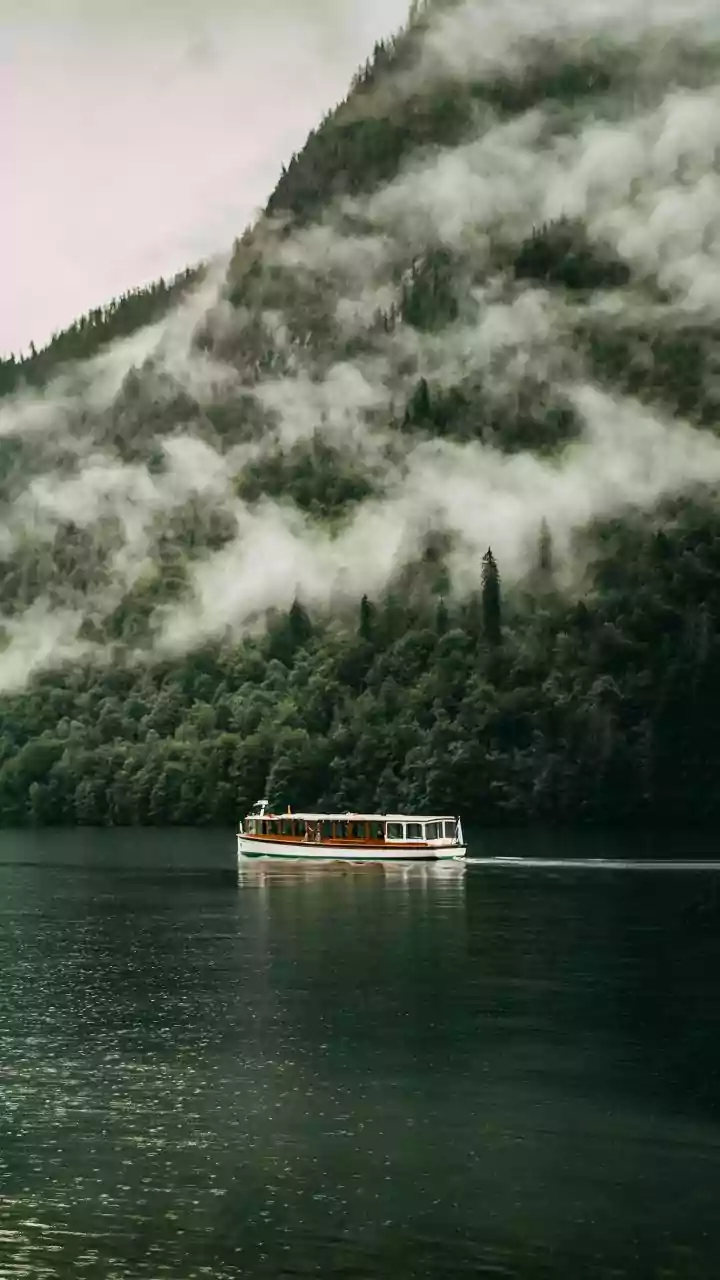

In the quiet moments before sunrise, a magical transformation occurs across Slovenia's Julian Alps. Mist rises from tranquil waters, creating a mystical canvas of light and shadow that lures photographers from all over the world.
The Allure of the Alpine Morning
There is a particular
kind of quiet that settles over a mountain lake at dawn. In Slovenia, a country where more than half the land is covered in forest, this quiet is profound. For landscape photographers, it’s a siren call. The main attraction is an atmospheric phenomenon: on cool, calm mornings, especially during spring and autumn, temperature inversions trap a layer of fog over the lakes. As the first rays of sun pierce the horizon, they illuminate this low-hanging mist, creating an ethereal, otherworldly glow. The wind is often stillest at this hour, turning the lake's surface into a flawless mirror that perfectly duplicates the sky, the mountains, and the swirling fog.
Lake Bled: The Iconic Shot
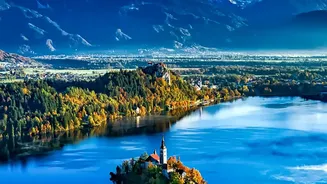
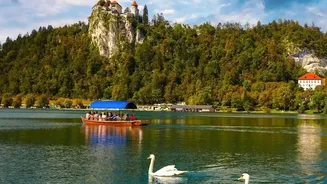
When people picture a Slovenian lake, they almost certainly picture Lake Bled. It is one of the most photographed locations in Europe for good reason. The combination of its emerald green water, a 17th-century church perched on a tiny island, and a medieval castle clinging to a cliff is already a fairytale scene. Add the signature morning mist, and it becomes a composition of dreams. Photographers often set up their tripods at viewpoints like Ojstrica or Mala Osojnica well before dawn, waiting for the precise moment the sun crests the peaks and sets the mist aglow, backlighting the iconic island church. It’s a shot that requires patience and an early start, but the results are rarely short of breathtaking.
Beyond Bled: Discovering Lake Bohinj
Just a short drive from the sometimes-crowded shores of Bled lies its larger, wilder sibling, Lake Bohinj. As Slovenia’s largest permanent lake, Bohinj is situated entirely within Triglav National Park and offers a more rugged, untamed beauty. Here, the morning mist feels different—more expansive and raw. Instead of a single island, the focal point is often the medieval Church of St. John the Baptist at the lake's eastern edge, or the sheer faces of the surrounding Julian Alps reflected in the vast, calm water. For photographers seeking solitude and a sense of grand scale, Bohinj provides a powerful alternative to its more famous neighbour. The lack of powerboats ensures its surface remains pristine, ideal for capturing those glass-like reflections.
Triglav National Park's Hidden Gems
While Bled and Bohinj are the stars, the wider Triglav National Park is dotted with countless other photographic treasures. The Triglav Lakes Valley, accessible via a more demanding hike, offers a chain of seven smaller, crystal-clear lakes set in a dramatic high-alpine environment. These locations reward the more adventurous photographer with scenes few will ever capture. Closer to the road, lakes like Jasna near Kranjska Gora also offer stunning mountain reflections in their turquoise waters, framed by wooden piers that provide perfect leading lines for a composition. Each lake has its own character, shaped by the unique mountain backdrop and the specific way the morning light interacts with the water and mist.
Tips for Capturing the Magic
Photographing these misty reflections is an art of timing and technique. A sturdy tripod is non-negotiable for the long exposures needed in low pre-dawn light. Photographers often use a wide-angle lens (like a 16-35mm) to capture the grand scale of the landscape, but a telephoto lens can be just as effective for isolating the island at Bled or a distant peak. While a polarising filter is often used to cut glare from water, many photographers avoid it here, as it can diminish the very reflections they are trying to capture. The key is to arrive early, find a compelling composition, and be ready for the fleeting window when the light, mist, and water align in perfect harmony.