




The Staggering Scale of the Surge
The numbers are massive. According to the International Energy Agency, the world's data centres, which already consumed an estimated 460 terawatt-hours (TWh) in 2022, could see their electricity demand double to over 1,000 TWh by 2030. To put that into
perspective, 1,000 TWh is roughly equivalent to the entire current electricity consumption of Japan. This projected increase represents a significant acceleration in energy use, posing a formidable challenge to global energy systems and climate targets. The IEA's latest analysis, released in its World Energy Outlook 2026, attributes this dramatic growth primarily to the explosion of artificial intelligence and the continued activity in the cryptocurrency sector.
AI: The Power-Hungry Engine of Growth
Artificial intelligence is the single biggest driver of this predicted surge. Training and running AI models requires immense computational power, which translates directly into higher electricity consumption. Each query on an AI platform like ChatGPT, for example, can use nearly ten times more electricity than a standard Google search. As AI becomes more integrated into everything from business software to everyday consumer applications, the IEA projects that electricity use from AI-focused data centres could triple by 2030. In fact, AI is expected to account for roughly three-quarters of the growth in data centre electricity demand over the coming years. This new demand is so significant that in some regions, like the United States, data processing is on track to consume more electricity by 2030 than all energy-intensive manufacturing combined, including steel, cement, and chemicals.
Straining Grids and Climate Goals
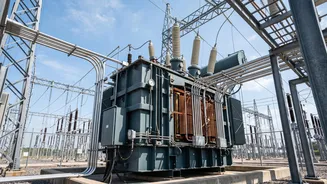
This rapid, concentrated growth in electricity demand poses a serious threat to power grids worldwide. In many regions, new data centres are being built faster than the transmission lines and grid infrastructure needed to support them. This mismatch can lead to instability, higher costs for all consumers, and an increased risk of blackouts. Furthermore, the surge in demand could jeopardise climate goals. To meet the massive power needs, there's a growing reliance on fossil fuels. The IEA projects that by 2030, natural gas will supply about 60% of electricity for US data centres, while coal will power half of China's AI data centres. This trend is expected to cause carbon emissions from data centres to rise by 70% by 2030.
The Hunt for Sustainable Solutions
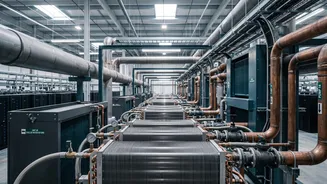
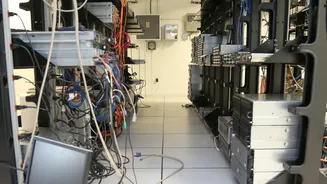
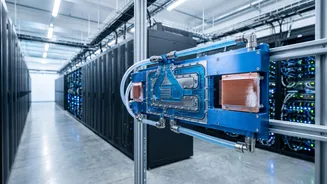
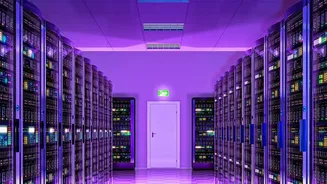
The challenge is not insurmountable, but it requires urgent action on multiple fronts. The tech industry is already the largest corporate buyer of renewable energy, but this alone is not enough. A key focus is on improving efficiency. This includes everything from developing more energy-efficient chips and software to implementing advanced cooling technologies like liquid and immersion cooling, which can be much less power-intensive than traditional air cooling. Better management of IT infrastructure, such as consolidating underused servers and adopting smart airflow designs like 'hot aisle/cold aisle' layouts, can also yield significant savings. Some major tech companies are even exploring the use of advanced nuclear technologies, such as small modular reactors (SMRs), to provide a reliable, 24/7 source of clean power for their facilities.
Policy and Planning are Crucial
Technology alone cannot solve the problem. The IEA stresses that updated regulations and strategic planning will be critical to managing the boom. This includes streamlining the grid connection process, which can currently take years, and implementing policies that encourage data centres to be located in areas with ample renewable energy or in colder climates to reduce cooling needs. Some regions are already taking action. Ireland, for instance, has placed restrictions on new data centre connections in Dublin to manage grid strain, while the Netherlands has constrained where new facilities can be built. Regulatory approaches that ensure the immense costs of new grid infrastructure are not unfairly passed on to residential customers are also being debated and implemented.