




The End of Order Envy
The concept of small plates, or tapas-style dining, is simple yet revolutionary: instead of committing to one large main course, you and your companions order several smaller dishes to share. This style of eating transforms a meal from a series of individual,
parallel experiences into a collective, interactive one. It’s a format built around rhythm, variety, and curiosity. The appeal is obvious. You get to taste a much wider range of a chef’s creations, turning dinner into a journey of flavours. One of the greatest satisfactions of this trend is the sheer variety. A single meal can feature a crisp salad, a rich seafood dish, a savoury meat preparation, and a comforting vegetable course, offering a more exciting and dynamic experience than a single, large entrée.
A Smarter, More Mindful Way to Eat
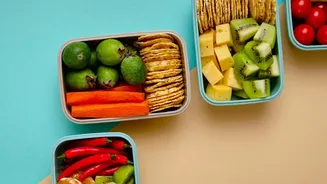
Beyond the social aspect, smaller portions encourage more mindful eating. This approach allows diners to sample a bit of everything without feeling overly full. Research has shown that presenting food in smaller, segmented units can increase the feeling of satiety, helping us feel satisfied with less. Many diners report feeling guilty for leaving food on their plate, with some even eating past the point of fullness to avoid waste. Smaller, more manageable portions can alleviate this pressure, creating a more relaxed and enjoyable atmosphere. This dining style aligns perfectly with a desire for portion control and healthier choices, allowing you to enjoy rich, flavourful food without the commitment of a large serving.
Fighting Food Waste, One Plate at a Time
Perhaps one of the most significant benefits of the small-plate trend is its positive impact on sustainability. Food waste is a major issue in the restaurant industry, with a large percentage coming from uneaten food left on customers' plates. Offering flexible or smaller portion sizes is a direct and effective strategy to combat this. When diners can order multiple small dishes, they are less likely to over-order and leave food behind. Studies have demonstrated that even a small reduction in plate size at buffets can lead to a significant decrease in food waste, and the principle holds true for à la carte dining. For restaurants, this translates to better inventory management, reduced spoilage, and lower costs, creating a win-win for both the business and the environment.
A Canvas for Culinary Creativity
Chefs are also embracing the small-plate format as it provides a canvas for creativity and experimentation. It allows them to showcase unique regional ingredients and bold flavour pairings that might be too risky for a full-sized entrée. An entire menu can become a chef-curated story, told through a series of distinct yet complementary dishes. This format allows the kitchen to operate more efficiently, as small plates often have a quicker preparation and turnaround time. Chefs can focus on the quality and presentation of each dish, knowing that every element on the plate has to earn its place. This approach has been particularly successful in modern Indian cuisine, where chefs are reinterpreting traditional flavours in new, inventive forms.
The Indian Connection to a Global Trend
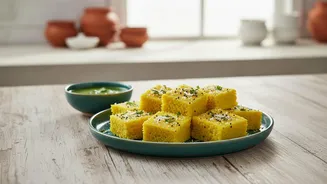
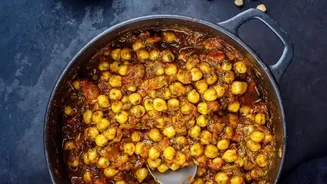
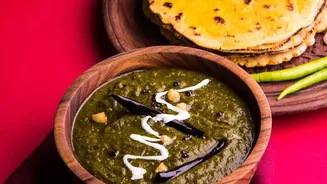
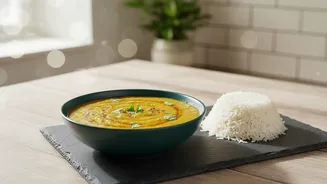
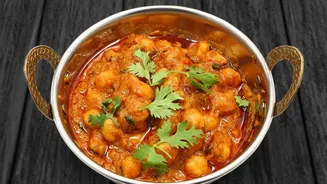
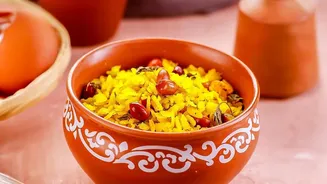
While small-plate dining feels like a modern global trend, its core principles are deeply familiar to the Indian way of eating. The culture of sharing food from a central spread, the variety offered in a traditional thali, and the love for chaat and other street-side snacks that offer a burst of flavour in a small portion all resonate with this format. Modern Indian restaurants have embraced this synergy, using small plates to present the vast diversity of the country’s regional cuisines in a contemporary setting. This approach allows diners to explore complex flavours and techniques, from a perfectly spiced kebab to an innovatively constructed puri, all in one sitting. It is a dining style that feels both refreshingly new and comfortingly familiar.