






1. Aerospace and Launch Vehicle Engineering
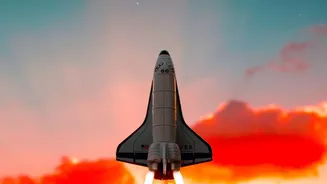
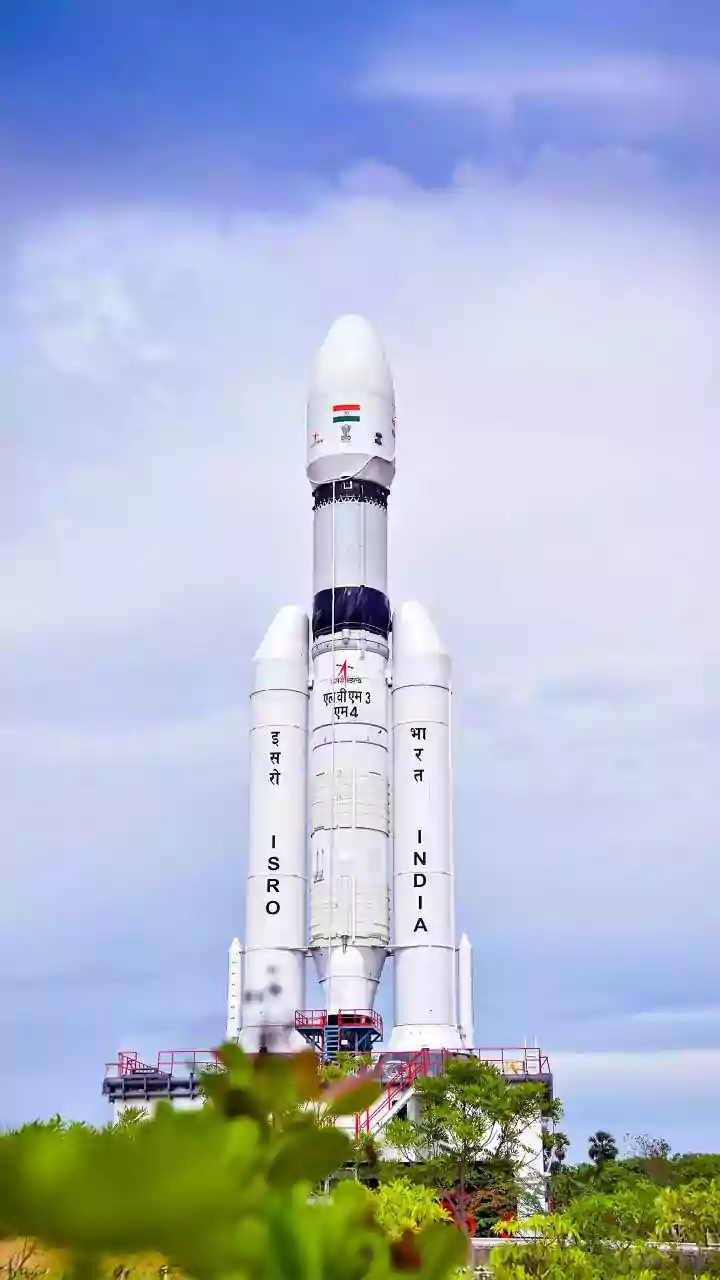
This is the classic, hardware-focused side of the space industry, and it's booming. With private companies like Skyroot Aerospace and Agnikul Cosmos developing their own rockets, the demand for engineers who can design, build, and test launch vehicles
has skyrocketed. These roles involve everything from propulsion and structures to avionics and guidance systems. A strong foundation in mechanical, aerospace, or electronics engineering is crucial. The goal is to build the vehicles that will carry satellites and, eventually, humans into orbit and beyond. While ISRO remains a prestigious employer, these private firms offer a fast-paced environment and the chance to work on cutting-edge projects like 3D-printed engines.
2. Satellite Design and Manufacturing
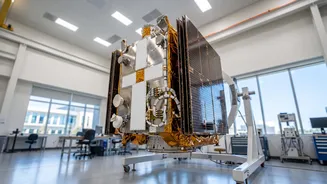
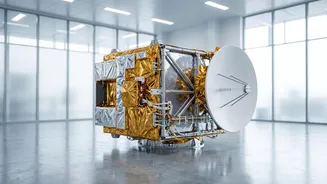
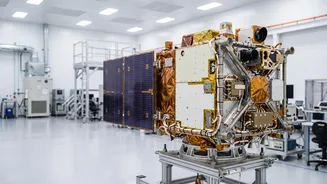
Satellites are the workhorses of the space economy, used for everything from communication and navigation to Earth observation. As India aims to increase its share of the global satellite market, companies like Dhruva Space and Pixxel are aggressively hiring engineers to design and manufacture satellite systems. This field requires a wide range of specialists, including systems engineers who oversee the entire project, electronics engineers for power and communication systems, and thermal engineers to ensure the satellite can survive the harsh environment of space. A background in electronics, computer science, or mechanical engineering can be a great entry point into this vital part of the industry.
3. Satellite Data Analytics
Perhaps the fastest-growing commercial area is the 'downstream' sector, which focuses on interpreting the vast amounts of data sent back by satellites. This data is a goldmine of information for industries like agriculture, urban planning, disaster management, and finance. Companies like SatSure use satellite imagery to provide analytics for agricultural lenders and climate monitoring. This has created a huge demand for satellite data analysts, remote sensing experts, and GIS specialists. Strong skills in programming languages like Python, along with knowledge of GIS software like QGIS or ArcGIS and data processing libraries, are highly sought after. It’s a field where a background in computer science or geography can be just as valuable as one in aerospace.
4. Aerospace Software and AI
Modern spacecraft are essentially powerful, flying computers. Every mission, from launch to orbit, is governed by millions of lines of code. This makes aerospace software engineers indispensable. They develop everything from on-board flight software and mission planning algorithms to autonomous navigation systems. As missions become more complex, the role of Artificial Intelligence (AI) and Machine Learning (ML) is also expanding for tasks like satellite image analysis, predictive maintenance, and autonomous robotics. A strong background in computer science, particularly with experience in C++, Python, and embedded systems, is key to entering this high-demand field. It sits at the intersection of India's two biggest tech strengths: software and space.
5. Space Law and Policy
As the space sector becomes crowded with private companies, a new and critical need has emerged for professionals who can navigate the legal landscape. Space lawyers and policy advisors are essential for handling issues like international treaties, satellite launch regulations, liability for space debris, and intellectual property. The creation of IN-SPACe, the regulatory body for private space activities in India, has formalized the need for legal experts who can advise both government agencies and startups. This niche but rapidly growing field offers opportunities for law graduates to work with startups, established firms, think tanks, and government bodies, shaping the rules for the final frontier.