






From Backdrop to Main Event
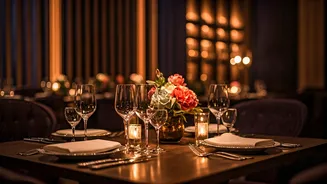
For decades, the recipe for a restaurant's atmosphere was simple: comfortable seating, pleasant lighting, and inoffensive music. The goal was to create a neutral, agreeable space that allowed the food to be the star. Today, that model has been completely
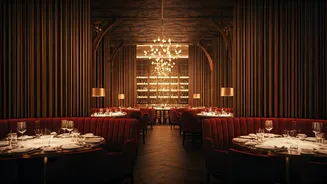
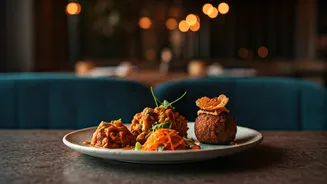
upended. Dining is no longer just about eating; it’s about having a multi-sensory experience. Restaurateurs and designers now treat the space as a primary ingredient, crafting immersive environments that tell a story. This shift is driven by a simple truth: in a competitive market, a memorable experience is what brings people back. In fact, over half of consumers say the overall experience is more important to them than the food itself when dining out for a special occasion.
The Instagram-Worthy Effect
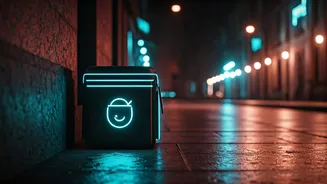
A huge driver of this change is social media. The question, "If you didn't post it, did it even happen?" now applies to dining. Restaurants have become stages, and diners are the content creators. This has led to the rise of "Instagrammable" interiors, featuring everything from bold neon signs and vibrant murals to whimsical themes and over-the-top decor. This isn't just vanity; it's a powerful marketing strategy. Every photo shared by a customer is free advertising, turning patrons into brand ambassadors. As a result, designers are meticulously crafting photogenic corners, statement pieces, and even lighting that makes both the food and the diners look their best.
Designing for Every Sense
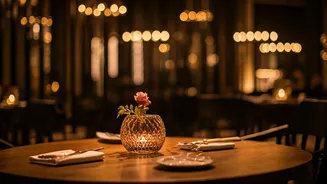
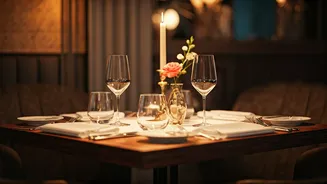
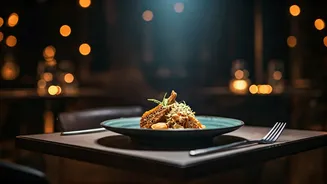
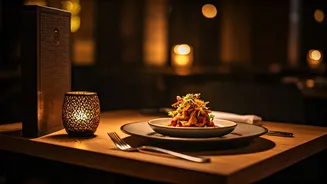
This new focus goes far beyond just visuals. It's a deep dive into the psychology of how a space makes us feel and behave. Lighting is carefully calibrated to set the mood—soft and warm for intimacy, bright and energetic for a fast-casual vibe. The acoustics, the colours on the walls, and even the texture of the upholstery are all chosen to influence emotion and appetite. Red and yellow are known to stimulate hunger, while blues and greens can create a sense of calm. Even scent is becoming a design tool, with some high-end establishments using signature aromas to create a unique and memorable identity. The arrangement of tables is also critical, balancing privacy with a social buzz.
An Experience Worth Paying For
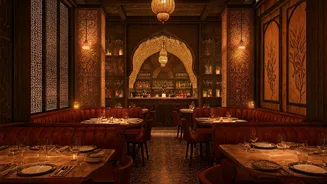
This trend is part of a larger movement toward an "experience economy," where consumers, especially younger generations like Gen Z and Millennials, prioritize memorable events over material goods. Studies show that a significant number of diners are willing to pay more for a unique dining experience they can't replicate at home. This has given rise to a wide array of concepts, from multi-sensory tasting menus with synchronized light and sound to elaborate themed restaurants that transport you to another world. In India, designers are weaving in local cultural elements, creating spaces that feel like a journey through Rajasthan's bazaars or a tribute to Durga Puja. The goal is to create a cohesive narrative where the food, service, and design all work together to craft an unforgettable story.