



The Science of Anticipation
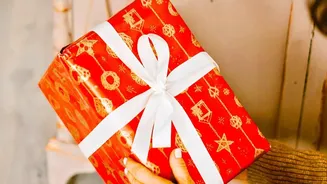
The act of receiving a wrapped gift triggers a cascade of positive emotions. Psychologically, the wrapping builds anticipation and excitement. Studies have shown that a beautifully wrapped gift can put the recipient in a happier mood even before they
see what's inside. This positive association often transfers to the gift itself, making the recipient view it more favourably. The simple act of concealing an object adds a layer of mystery and ritual, releasing dopamine—the brain's feel-good chemical—as the recipient wonders what lies beneath the paper. This process transforms a simple object into an emotional experience, heightening the joy of the moment.
More Than Just Paper and Tape
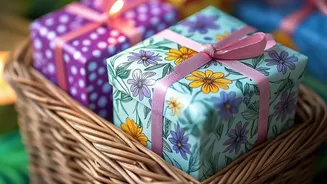
Beyond the initial excitement, the effort put into wrapping serves as a powerful non-verbal signal. It communicates care, thoughtfulness, and personal investment. Anyone can buy an item, but taking the time to present it beautifully shows that the giver has invested their time and energy, not just their money. This gesture of care makes the recipient feel appreciated and important. In essence, the wrapping becomes part of the gift's story, a tangible representation of the giver's affection and respect for the relationship. It's a physical manifestation of the old saying, "it's the thought that counts."
The Expectation Trap
Interestingly, research reveals a surprising twist. While good presentation is generally positive, exceptionally neat wrapping can sometimes backfire. A 2019 study published in the Journal of Consumer Psychology found that perfectly wrapped gifts can create sky-high expectations. If the gift inside doesn't quite match the grandeur of its packaging, it can lead to a feeling of slight disappointment. Conversely, a sloppily wrapped gift lowers expectations, meaning the recipient is often pleasantly surprised and rates the gift more highly, regardless of what it is. This effect, however, primarily applies to gifts from close friends and family. When receiving a gift from an acquaintance, neat wrapping is still preferred, as it signals that the giver values the relationship.
A Tradition of Thoughtfulness
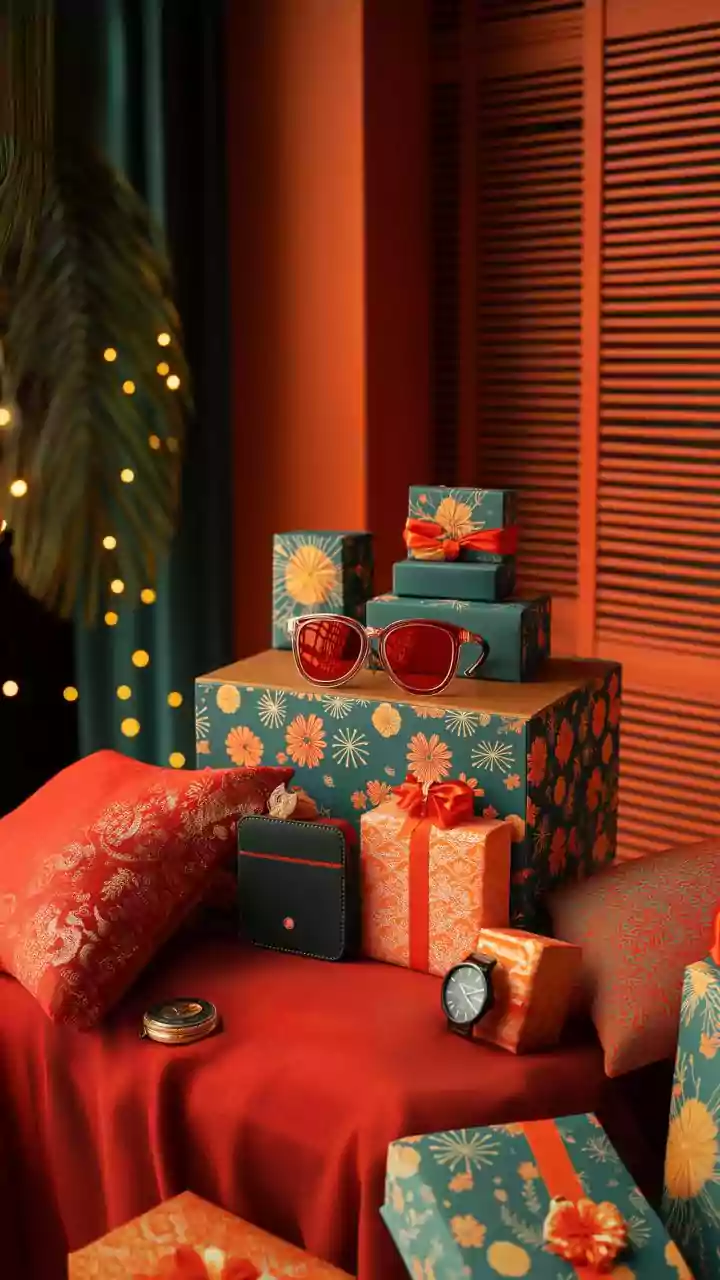
In India, the presentation of a gift has always held deep cultural significance, reflecting respect and care for the recipient. The act of giving is an integral part of festivals like Diwali, Eid, and weddings, where the aesthetic is just as crucial as the item itself. Traditional colours like red, gold, and orange are often used for their auspicious connotations. The act of wrapping is not just about concealment but about adornment, often featuring embellishments like fresh flowers, a sprig of tulsi, or a small diya to add a sacred, festive touch. This tradition of thoughtful presentation is woven into the fabric of Indian hospitality and social customs, where a beautifully presented offering is a sign of honour.
Wrapping for Today's World
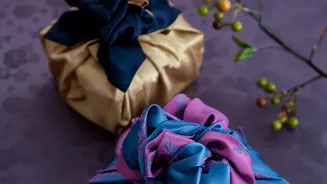
As consciousness about sustainability grows, the art of gift wrapping is evolving. Many are now turning to beautiful and eco-friendly alternatives that still convey a sense of care. In India, this has meant a revival of traditional, reusable methods. Using colourful fabric, such as an old saree, dupatta, or even just a beautiful piece of cotton, is a popular choice. This method, similar to the Japanese Furoshiki, makes the wrapping a reusable part of the gift. Other sustainable ideas include using handmade paper, newspaper decorated with natural elements like dried leaves or spices, reusable cloth bags (potlis), or even natural materials like banana leaves for a rustic and traditional look. These methods combine modern environmental awareness with timeless cultural elegance.