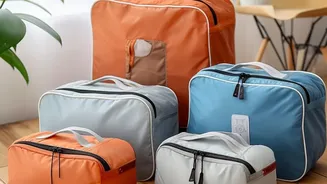





What Are Compression Bags?
At their core, compression bags are travel organisers designed to reduce the volume of soft goods, primarily clothing. By removing the excess air trapped between fabric fibres, they make bulky items significantly more compact. There are two main types
travellers use: rolling bags and vacuum bags. Rolling bags feature a one-way valve system; you simply roll the bag tightly from the sealed end, and the pressure forces the air out. Vacuum bags, which can offer even more compression, require a pump (often a small, portable electric one) to suck the air out. For travel, the rolling variety or those with travel-friendly pumps are most practical, as you don't need to find a vacuum cleaner at your hotel to repack for the journey home.
The Magic of Maximizing Space
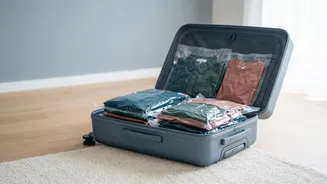
The primary benefit of compression bags is their ability to tame bulky clothing. Think about that essential puffer jacket, a cozy fleece, or a couple of thick sweaters—items that can hijack half your suitcase space. A compression bag can shrink these items by up to 75 percent, freeing up an incredible amount of room. This reduction in volume is what allows a week's worth of clothing to fit comfortably into a carry-on. Instead of sacrificing outfits, you can bring the extra layer for chilly evenings or a smarter option for a nice dinner. It's less about packing fewer items and more about packing the same items more efficiently.
A Seven-Day Trip in One Carry-On
So, how does this apply to a week-long holiday? A typical seven-day trip often requires a mix of clothing for different weather and activities. With compression bags, you can dedicate one bag to your bulkiest items like jackets and sweaters. Use another for mid-weight items like jeans and shirts, and suddenly the main compartment of your carry-on has ample space for shoes, toiletries, and other essentials. This system not only saves space but also keeps your bag organised. You can separate clean clothes from dirty laundry, or group outfits by day, making unpacking and living out of your suitcase a far tidier experience.
Smart Strategies for Compression Packing
Using compression bags effectively is a skill. First, fold or roll your clothes neatly before placing them inside; this helps minimise wrinkles and allows for more even compression. Don't overfill a single bag. It's better to use multiple smaller bags grouped by clothing type (tops, bottoms, outerwear) than to create one large, rigid brick that’s difficult to fit into your luggage. Remember that while compression bags reduce volume, they do not reduce weight. A densely packed carry-on can easily exceed airline weight limits, so it's crucial to weigh your bag before heading to the airport.
The Downsides and How to Manage Them
While incredibly useful, compression bags aren't without their drawbacks. The most common complaint is that they can cause wrinkles, especially in delicate fabrics like linen or dress shirts. To mitigate this, choose wrinkle-resistant fabrics when possible, or pack a travel-sized wrinkle-release spray or a mini steamer. Another consideration is airport security. While TSA agents have no rules against compression bags, they may need to open one for inspection. This is another reason why rollable bags or those with a portable pump are ideal, as you can easily re-compress them after a security check.