





Redefining 'Red Gold'
For centuries, saffron, or 'red gold', has been one of the world's most precious spices, intrinsically linked to the specific climates of places like Kashmir and Iran. Its value comes from its laborious harvesting process and geographical limitations.
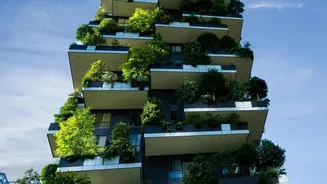
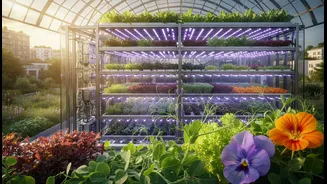
But what if this prized ingredient could be grown anywhere, even in a warehouse on the outskirts of Mumbai or Delhi? This is the new reality thanks to innovations in urban agriculture. Tech-driven methods like vertical farming and aeroponics are making it possible to cultivate ultra-premium, climate-sensitive crops in controlled environments, delivering unprecedented freshness and challenging the very idea of what makes an ingredient luxurious.
The Urban Farming Revolution
This shift is powered by controlled environment agriculture (CEA), which includes hydroponics (soilless cultivation in nutrient-rich water) and aeroponics (misting suspended roots with nutrients). These technologies allow producers to create the perfect growing conditions for delicate crops, independent of local weather. Startups and agricultural innovators across India are building these high-tech farms in and around major cities. By stacking crops vertically, these farms can produce significantly higher yields in a smaller footprint, using up to 90% less water than traditional farming and eliminating the need for pesticides. This means an ingredient like saffron, traditionally tied to specific soil and a single annual harvest, can now be produced year-round, just a short drive from the country's top restaurants.
From Tech Hub to Table
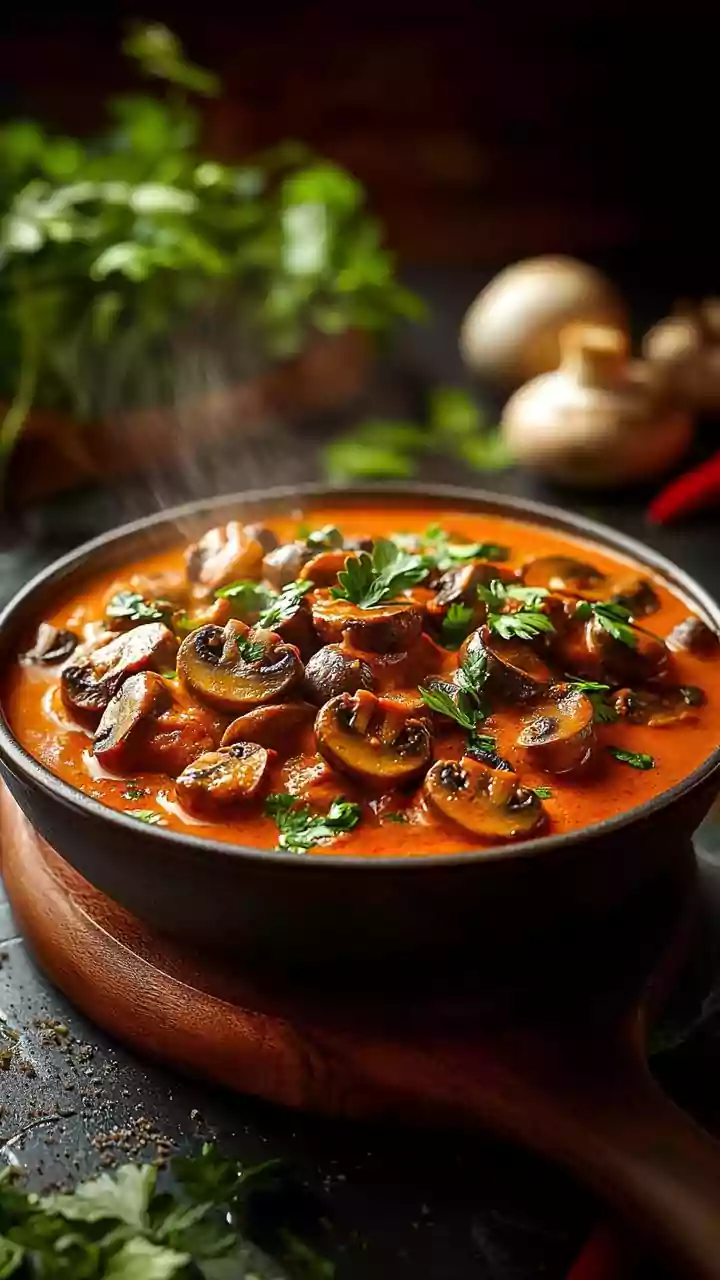
Top chefs across India are embracing this hyper-local movement with enthusiasm. The ability to get ingredients that are harvested and delivered within hours, rather than days or weeks, is a game-changer for flavour and quality. Restaurants in cities like Bengaluru and Mumbai now feature menus with microgreens, edible flowers, and specialty mushrooms that were grown just kilometres away. Chef Vanika Choudhary of Mumbai's Noon, for example, is renowned for her focus on foraged and indigenous ingredients, a philosophy that aligns perfectly with the hyper-local trend. This movement isn't just about novelty; it's about transparency and telling a story. Diners can enjoy a dish knowing the ingredients are fresh, sustainably grown, and supportive of local innovation.
More Than Just Great Taste
The benefits of urban-farmed luxury ingredients extend far beyond the plate. Sourcing locally drastically reduces 'food miles'—the distance food travels from producer to consumer—which in turn cuts down on carbon emissions associated with transportation. It fosters economic resilience by supporting local entrepreneurs and creating green jobs within the city. Furthermore, it provides a secure and predictable supply chain, immune to the climate-related challenges that are increasingly affecting traditional agriculture, such as the decline in Kashmir's saffron production over the past two decades. This new approach suggests that true luxury in the future will be defined not by how far an ingredient has travelled, but by how little it has.