


Create a Regional Blueprint
The first step is to choose your regions. Instead of picking dishes at random, think about creating a balanced regional representation. A good approach is to pair a rich, hearty cuisine from the North with a lighter, tangier one from the South. For example,
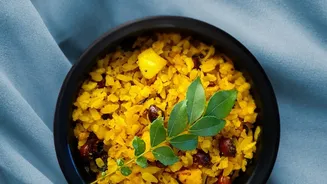
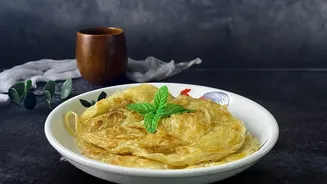
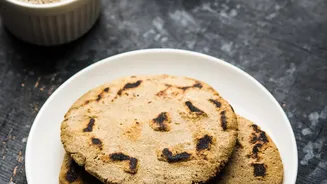
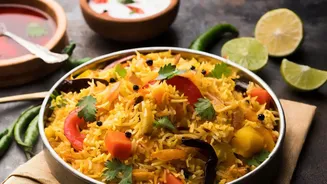
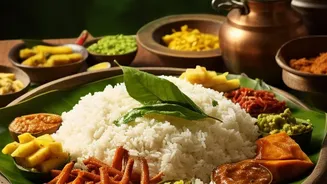
a creamy Punjabi paneer dish could be beautifully complemented by a coconut-based vegetable 'poriyal' from Tamil Nadu. Or, you could contrast the subtle, sweet notes of Bengali food with the robust, earthy flavours of a Rajasthani preparation. Aim for two to three regions to showcase diversity without overwhelming your palate or your kitchen schedule. This ensures a variety in staple grains as well, like wheat-based breads (naan, roti) from the North and rice-based dishes from the South.
Balance Your Menu Structure
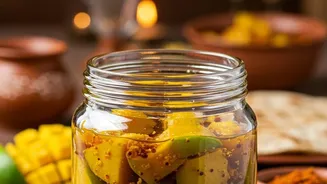
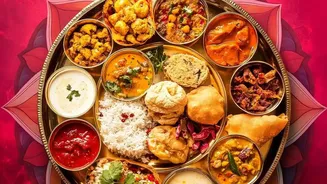
A well-structured menu is the key to a successful feast. A traditional Indian meal, often seen in a 'thali', offers a blueprint for balance. Aim for a mix of textures and types. A good rule of thumb is to include: one or two main gravies (like a dal makhani or a sambar), one dry vegetable dish ('sabzi' or 'poriyal'), a lentil preparation ('dal' or 'kadhi'), a staple grain (rice and/or breads), and essential accompaniments like raita (yogurt dip), pickles, and papad. This framework ensures you have a complete meal with a variety of flavours—spicy, sour, sweet, and salty—and prevents the dishes from becoming monotonous.
Master the Art of Flavour Contrast
A multi-regional menu shines when the flavours create a conversation. Think about contrast. If you have a spicy Kolhapuri curry from Maharashtra, pair it with a cooling cucumber raita or a mellow Gujarati dal, which often has sweet and sour notes. A rich, tomato-and-cream based North Indian curry like Paneer Butter Masala finds its perfect counterpoint in a tangy tamarind 'rasam' from the South. Similarly, the heavy use of dairy and ghee in many Northern dishes can be offset by the lighter touch of coconut and mustard seeds common in Southern cooking. This interplay of richness and lightness, spice and subtlety, is what makes the feast exciting and prevents any single flavour from dominating.
Plan Your Prep and Cooking Timeline
A feast should be enjoyed by the host, too. Strategic preparation is non-negotiable to avoid last-minute chaos. A few days ahead, finalise your menu and shop for all ingredients. Two days before, you can make any chutneys, pickles, or spice blends. The day before is for major prep: chop all your vegetables, make ginger-garlic paste, and prepare the base masalas for your curries. Many dals and curries, like Dal Makhani or even some vegetable kootu, taste even better the next day, so you can cook them completely in advance. On the festival day, focus on fresh preparations like making rotis or chapatis, frying papads, assembling the raita, and simply reheating the pre-cooked dishes. This staggered approach distributes the workload and keeps stress at bay.
Serve with Intention
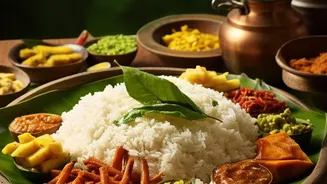
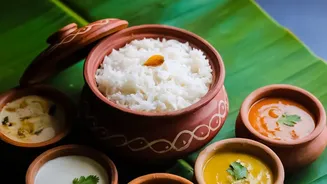
The final flourish is in the presentation. Serving your diverse dishes in a 'thali'—a large platter with small bowls ('katoris')—is the most authentic way to present a multi-regional meal. This not only looks spectacular but also helps in portion control and allows guests to experience each dish distinctly. Arrange the 'katoris' along the edge of the plate, with rice and bread in the centre. If you don't have traditional thalis, you can achieve a similar effect by arranging small bowls on a large dinner plate. This visual arrangement highlights the variety you’ve worked to create, turning your meal from a simple dinner into a true festive experience.