


The Problem of Shared Tracks
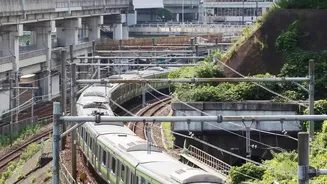
The core of Mumbai's rail congestion problem has long been a simple one: there isn't enough space. For decades, the same tracks have been shared by the city's lifeline—the suburban local trains—and the long-distance passenger and goods trains that connect
Mumbai to the rest of India. With passenger services given priority, freight trains are often held back, creating a ripple effect of delays. This not only slows down the movement of goods but also occupies precious line capacity that could otherwise be used for additional local services, leaving commuters waiting on crowded platforms.
A National Solution: The DFC Project
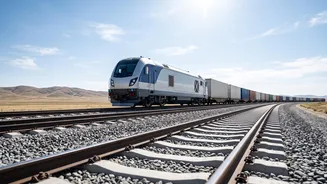
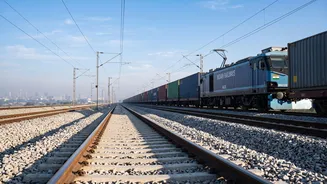
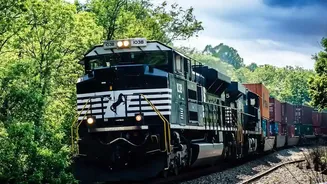
The answer to this logistical puzzle is the Dedicated Freight Corridor (DFC) project, a multi-decade, nationwide infrastructure overhaul. The goal was to build a separate, high-speed rail network exclusively for freight trains. The network consists of two main arteries: the Eastern DFC and the Western DFC (WDFC). The 1,506-km WDFC is particularly crucial for Mumbai, as it connects Jawaharlal Nehru Port (JNPT) near Mumbai with Dadri in Uttar Pradesh. By creating a dedicated highway for goods trains, the project aims to free up the existing, congested network for passenger services.
How Freight Corridors Help Commuters
The logic is straightforward: moving freight traffic to the new WDFC lines frees up the conventional tracks that suburban trains use. According to railway officials, the DFC network is designed to shift a significant portion of freight traffic off the main lines, creating additional capacity for passenger trains. For Mumbai, this decongestion is critical. With goods trains running on their own dedicated tracks, the existing railway lines that crisscross the Mumbai Metropolitan Region have more room to operate additional local services, potentially increasing their frequency. This separation is expected to improve the punctuality and reliability of the suburban network, as local trains will no longer be delayed by slower-moving freight traffic.
More Services, Better Punctuality
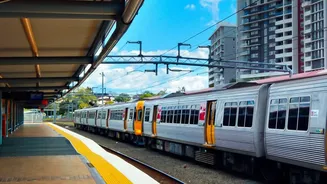
The benefits extend beyond just creating space. With the WDFC becoming fully operational in September 2026, the path is cleared for Indian Railways to act on its plans to boost Mumbai's suburban services. Officials have spoken of increasing the number of daily local services from the current 3,200. This could mean more trains during peak hours, reducing the dangerous levels of overcrowding. Furthermore, with fewer unscheduled freight train movements disrupting timetables, the overall punctuality of local and long-distance passenger trains is expected to improve significantly, making the daily commute more predictable for millions of passengers.
The Road Ahead for Mumbai's Railways
The completion of the DFC is a landmark achievement, but it is just one part of a broader push to modernise Mumbai's railway system. Indian Railways has outlined projects worth around ₹18,000 crore to upgrade the city's suburban infrastructure, including building new platforms, extending existing ones to accommodate longer trains, and improving signalling systems. Additionally, there is a plan to introduce 238 new air-conditioned local trains by 2030, featuring modern amenities and automatic doors to enhance safety and comfort. While these upgrades will take time to be fully realised, the foundation has been laid. The segregation of freight and passenger traffic is the critical first step that enables all subsequent improvements.