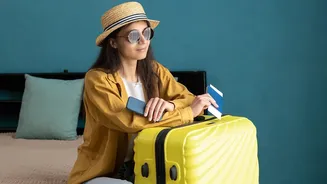








The great annual holiday, once a cornerstone of family life, is being reimagined. For Generation Z, the idea of saving up all year for one long trip is fading, replaced by a preference for shorter, more frequent 'micro-cations'.
The New Rhythm of Travel
The travel landscape in
India is experiencing a significant shift, led by its youngest adult generation. According to a 2026 Airbnb report, a staggering seven out of ten Gen Z travellers prefer taking three short trips over one long annual holiday. The data further reveals that 87% of this demographic favours trips that last less than a week, with weekend breaks and getaways of two to six days becoming the fastest-growing trip format. This marks a clear departure from the traditional model of a single, meticulously planned two-week vacation. For Gen Z, travel is less of a major scheduled event and more of a spontaneous, reflexive response to a free weekend, a friend's suggestion, or the need to escape routine.
Budget-Friendly and Spontaneous
One of the primary drivers behind this trend is economics. Shorter trips are inherently more affordable, making travel more accessible for a generation navigating their early careers and financial independence. Instead of one large, expensive holiday, they can enjoy multiple adventures throughout the year. This financial prudence doesn't mean they travel less; in fact, reports show that Gen Z prioritises travel as a non-negotiable expense. The affordability of 'micro-vacations' allows for greater spontaneity. Data shows that 66% of Gen Z travellers in India book their trips within just days or weeks of departure, not months in advance, highlighting a desire for flexibility and last-minute adventures.
An Antidote to Digital Burnout
Living in a hyper-connected world has its downsides, and Gen Z feels it keenly. With reports indicating that this generation experiences high levels of stress, travel has become a vital tool for mental wellness and burnout relief. Shorter, regular breaks serve as a 'reset button', allowing them to disconnect from the pressures of work and digital life. Interestingly, the goal of these trips is often not to see and do everything. A recent survey found that two in three Gen Z travellers go on a trip with the explicit intention of doing nothing at all, a practice sometimes dubbed 'room rotting'. The focus is on rest, relaxation, and returning with a more positive outlook.
The Influence of the Social Feed
Social media platforms like Instagram and TikTok play a huge role in shaping Gen Z's travel habits. The constant stream of bite-sized, visually engaging content inspires wanderlust for quick, high-impact trips that are easily shareable. However, this generation also displays a unique relationship with online trends. While influencers are a key source of inspiration, there is a strong desire for authenticity. A remarkable 95% of young Indian travellers want their trip to feel personal and unique, not just a copy of a viral post. Many actively seek out destinations that haven't been widely recommended online, making their travel a form of self_expression.
Travel as Self Expression
For Gen Z, travel choices are deeply intertwined with personal identity. An overwhelming 87% agree that the way they travel reflects who they are as a person. This manifests in a preference for unique stays over standard hotels, with many choosing a destination specifically because of the accommodation they discovered. It's also about who they travel with; three in four say their companions are more important than the destination itself, leading to a rise in group trips where shared homes are preferred over separate hotel rooms. Ultimately, the shift towards weekend breaks and short getaways is more than a logistical preference—it's a reflection of a generation that values experiences, flexibility, and well being.