


What Are Lunar Impact Flashes?
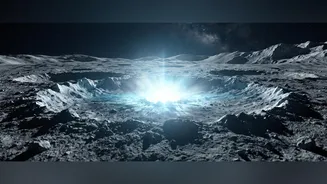
Imagine a tiny rock, maybe the size of a grape, hurtling through space at thousands of miles per hour. When it slams into the Moon—which has no atmosphere to slow it down or burn it up—the energy of that collision is immense. For a split second, the impact
vaporizes the rock and a small amount of the lunar surface, creating a superheated cloud of plasma that glows. This is an impact flash. These events are common, happening every few hours, but they are incredibly difficult to study because they last for just fractions of a second. Scientists have been observing them for years using powerful ground-based telescopes, but a front-row seat is always better.
The Artemis II Advantage
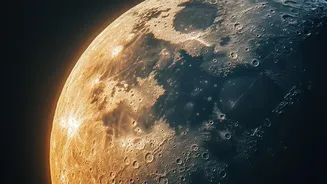
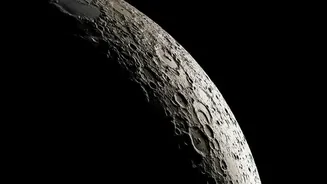
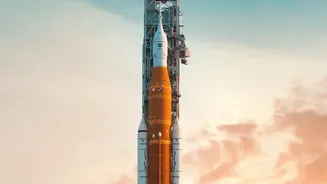
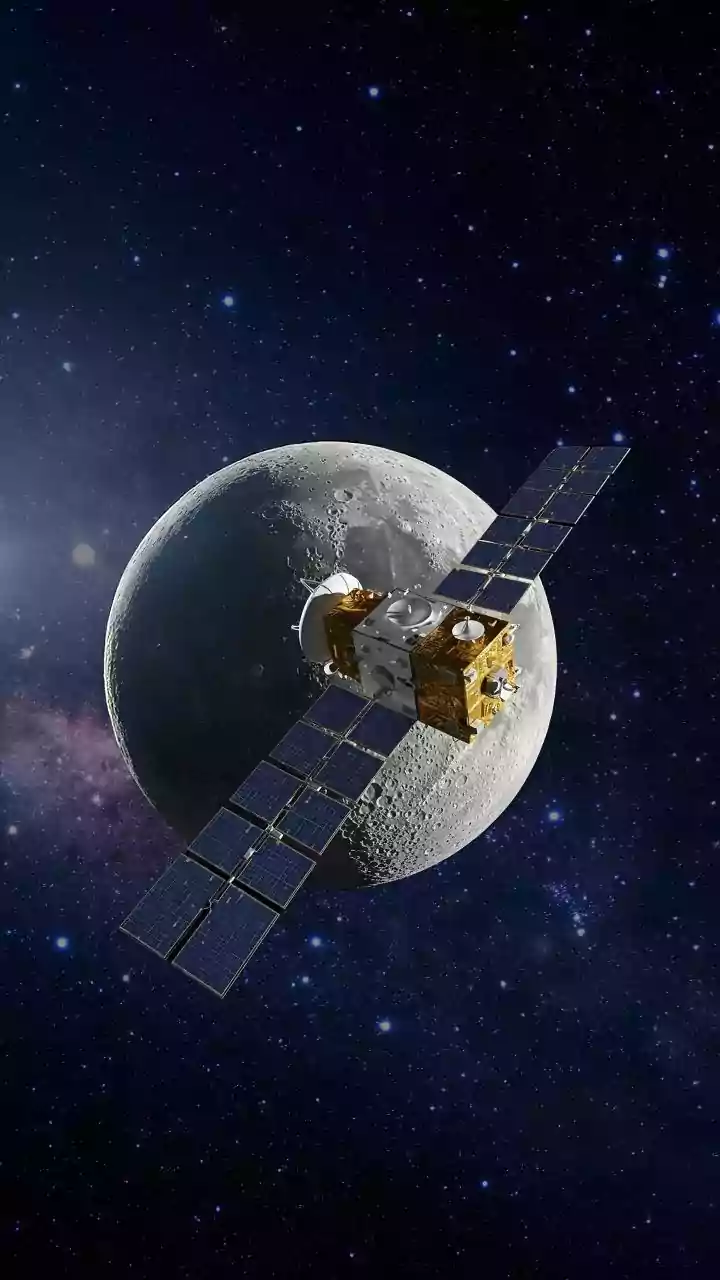
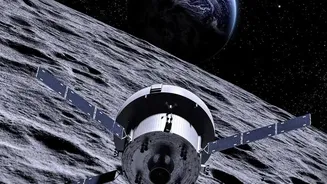
The Artemis II mission provided an unprecedented opportunity. As the Orion spacecraft traveled around the far side of the Moon, the crew experienced what was essentially a total solar eclipse, plunging their view of the lunar surface into ideal darkness for spotting these faint events. Scientists on the ground were astonished when the crew—Commander Reid Wiseman, Victor Glover, and Jeremy Hansen—reported seeing five distinct 'pinprick' flashes with their own eyes. This was a surprise, partly because the mission was not taking place during a major meteor shower. After ruling out other sources like reflections from the spacecraft or cosmic rays hitting the astronauts' eyes, NASA confirmed the sightings. These are likely the faintest impact flashes ever witnessed by humans.
From Raw Data to Real Science
Hearing the news from the crew, scientists in Mission Control reportedly broke into 'audible screams of delight'. That excitement highlights how valuable this new information is. While Apollo astronauts also reported seeing a few flashes, the Artemis II observations, including handwritten notes on their locations, provide a fresh dataset from a unique vantage point on the far side of the Moon. Now, the real work begins. Teams at NASA's Meteoroid Environment Office are poring over the crew's reports and any corresponding data. Their goal is to analyze the brightness, location, and frequency of these impacts. This human-led observation adds a crucial layer to the hundreds of automated detections made from Earth, helping scientists build a more complete map of the lunar impact environment.
Why These Flashes Are Critical
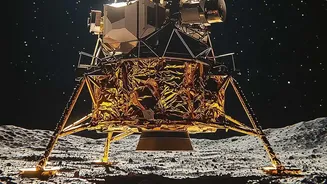
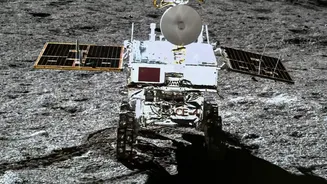
Understanding these small but constant impacts is not just an academic exercise; it's a matter of survival. NASA's Artemis program aims to establish a permanent human presence on the Moon, including a future base camp. That means building habitats, solar arrays, and rovers that can withstand the harsh lunar environment for years. The Moon's lack of atmosphere means there is nothing to protect it from this constant rain of micrometeoroids. By studying how often and where these impacts occur, engineers can better calculate the risks and design the necessary shielding to protect both astronauts and expensive equipment from being damaged by high-velocity debris. This data directly informs how to build a safe and sustainable lunar outpost.