




A New Definition of Wellness
The conversation around health in urban India has evolved. It's no longer solely about weight loss but about holistic wellness, muscle health, and sustained energy. Protein has moved from the niche domain of bodybuilders to the everyday vocabulary of office-goers,
students, and even seniors. This growing awareness is a primary driver, with consumers actively seeking foods that do more than just satisfy a craving. They want functional benefits. A recent survey found that nearly half of Indian consumers now try to include protein in every meal, and many actively track their intake. This desire for better nutrition is making them look at snacks not as empty calories, but as an opportunity to fuel their bodies correctly.
The Urban Hustle Demands Convenience
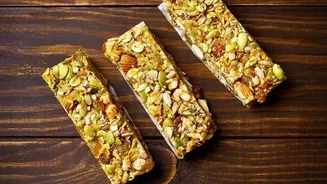
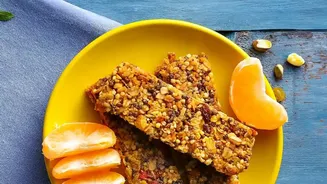
Long working hours, hectic commutes, and busy social lives define the modern urban Indian lifestyle. This leaves little time for elaborate meal preparation, creating a massive demand for convenient, ready-to-eat options. Protein snacks perfectly fit this need. Grabbing a protein bar is faster than making a sandwich and is perceived as a healthier choice than a bag of fried chips. These products offer a practical solution to a common problem: how to stay nourished on the go. As a result, protein bars, ready-to-drink shakes, and protein-fortified yogurts are no longer just for post-workout recovery; they've become the go-to snack between meetings or during a commute.
Social Media and the Influencer Effect
Social media platforms have played a huge role in taking the protein conversation from gyms to households. Fitness influencers, health coaches, and food bloggers have demystified protein, making it an aspirational and accessible nutrient for millions. Online trends like "What I Eat in a Day" and high-protein challenges have made terms like 'macros' and 'protein intake' part of daily discourse. While there is an ongoing debate about the quality of advice, the impact on awareness is undeniable. This digital exposure has driven curiosity and encouraged a generation of consumers to try new products and actively look for protein content on labels.
From Niche Stores to Every Shopping Cart
Just a few years ago, finding a protein bar meant visiting a specialty health store. Today, they are everywhere. The rapid expansion of product availability in supermarkets, local kirana stores, and especially on quick commerce apps has been a game-changer. Platforms like Swiggy Instamart and Blinkit have seen a massive surge in orders for protein-based products, making it easier than ever for consumers to experiment with single-serve packs without a big commitment. This easy access, combined with a wider variety of formats—from protein biscuits and cookies to fortified atta and dosa batter—has helped integrate these products into the regular grocery basket of the mainstream consumer.
Rediscovering Traditional Snacks
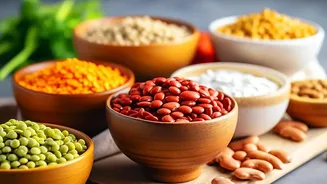
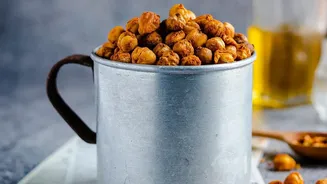
Interestingly, this trend isn't just about new-age bars and shakes. There's a parallel movement to rediscover the protein power of traditional Indian foods. Items like roasted chana, makhana (foxnuts), paneer, and sprouts are being rebranded and appreciated for their natural protein content. Many brands are successfully tapping into this by launching modern versions of these familiar snacks, often with minimal processing and clean ingredient lists. This fusion of the traditional with the modern makes the protein trend more accessible and trustworthy for a broader audience, connecting with a desire for familiar tastes in a healthier format.