




The Symphony of Tradition
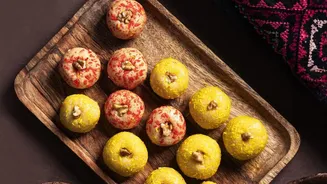
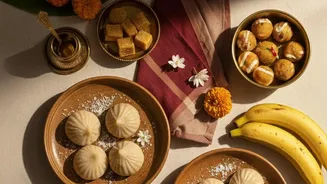
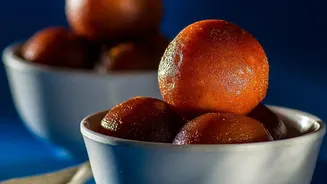
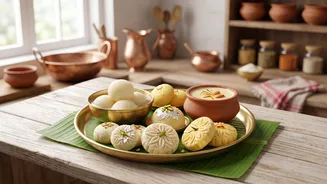
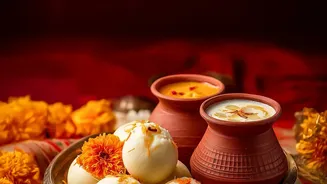
For generations, Bengali sweets, or 'mishti', have been crafted by hand. They are more than mere confection; they are an emotion, a cornerstone of culture. The art of making the perfect Sandesh or Rosogolla is a legacy passed down through families of 'moyras'
(traditional sweetmakers). It begins with the finest 'chhena' (freshly curdled cottage cheese), kneaded to an exact consistency—a skill honed over a lifetime. These sweets are integral to every celebration, offered to deities and shared among loved ones as a symbol of joy and goodwill. Heritage establishments like Bhim Chandra Nag and Girish Chandra Dey & Nakur Chandra Nandy have become custodians of this culinary identity, their kitchens safeguarding recipes that are centuries old.
The Festive Onslaught
When the festive season arrives, particularly during Durga Puja, demand for these delicacies explodes. What is normally a steady flow of customers becomes a torrent, with production often needing to double or triple almost overnight. For small and large businesses alike, this period is a crucial part of their annual earnings. The pressure is immense. The kitchens, already warm, become cauldrons of activity, with artisans working tirelessly to roll, shape, and soak thousands of sweets. Securing a consistent supply of high-quality milk, chhena, and sugar becomes a significant logistical challenge, with raw material costs often spiking. The goal is to ensure that no one celebrating, from a family gathering at home to pandal-hoppers across the city, goes without their essential 'mishti mukh' (sweetening of the mouth).
Modern Tools for a Timeless Taste
To cope with this surge, many sweetmakers have turned to technology. While the idea of machines in these hallowed kitchens might seem sacrilegious to purists, for many owners it’s a pragmatic solution to preserve tradition, not erase it. Machines now handle the laborious tasks of kneading dough and mixing ingredients, ensuring uniformity and freeing up the highly skilled artisans—the karigars—to focus on the delicate final touches and intricate flavour balancing that define authentic Bengali sweets. This blend of automation and artistry allows shops to scale up production without compromising the core recipes that have made them famous, enabling them to meet bulk orders and the relentless festive rush.
An Evolving Palate
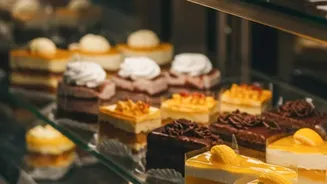
The balancing act extends beyond production. Tastes are changing, and sweetmakers must innovate to stay relevant. While classics will always have their place, a new generation of customers seeks novel experiences. This has led to a wave of creativity, with shops introducing fusion sweets like baked Rosogolla, chocolate Sandesh, and mango-flavoured Mishti Doi. Health consciousness is another growing trend, prompting the creation of sweets with lower sugar content or using natural sweeteners like date palm jaggery ('Nolen Gur'). These innovations are not about replacing tradition but expanding it, ensuring Bengali mishti continues to appeal to all palates, young and old.