



The Philosophy of Fasting Food
During religious fasts such as Navratri, Janmashtami, or Ekadashi, many Indian families adhere to a specific diet. The rules typically exclude grains like wheat and rice, lentils, non-vegetarian food, onions, and garlic. The focus shifts to 'sattvic'
foods—those that are considered pure, light, and easy to digest, providing energy without taxing the system. The goal is to nourish the body while allowing the mind to focus on spiritual reflection. This is where a special category of ingredients comes into play, offering a combination of carbohydrates, protein, and essential nutrients to sustain energy levels throughout the day. Makhana, kuttu, and rajgira are celebrated champions in this culinary world, transforming restrictive eating into a delicious and wholesome experience.
Makhana: The Humble Powerhouse
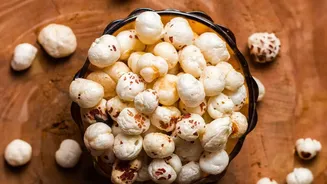
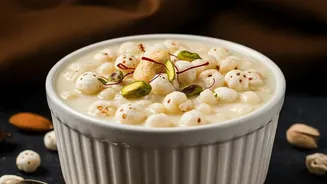
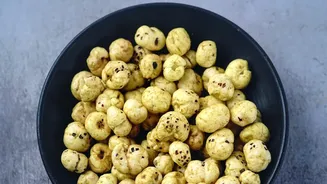
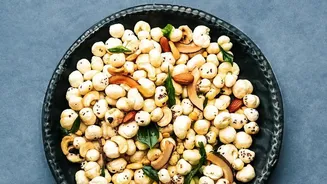
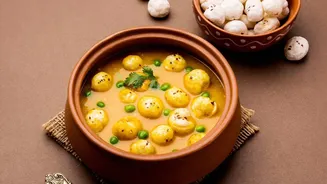
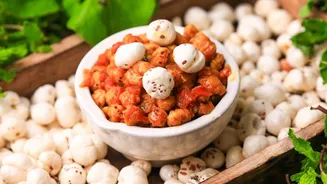
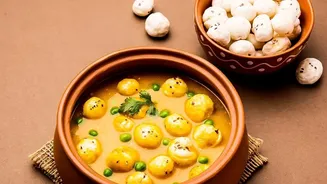
Makhana, or fox nuts, are the puffed seeds of the water lily plant. They are incredibly light, crunchy, and a favourite fasting snack. Nutritionally, makhana is a powerhouse. It is low in calories and sodium but rich in protein, magnesium, and potassium. Being gluten-free and having a low glycemic index, it provides sustained energy without causing sharp spikes in blood sugar. During fasts, the most common way to eat makhana is by simply roasting the puffs in a little ghee until they are crisp, then seasoning them with rock salt (sendha namak). They are also used to make a creamy and comforting kheer by simmering them in milk with sugar and cardamom. For a more savoury option, they can be added to a light, potato-based curry, adding texture and substance to the meal.
Kuttu: The Warming, Versatile Flour
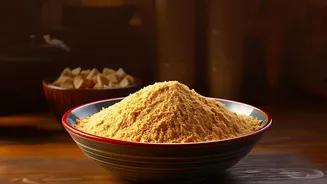
Kuttu ka atta, or buckwheat flour, is a quintessential fasting ingredient, especially popular in North India. Despite its name, buckwheat is not a type of wheat or even a grain; it's a seed from a fruit, making it permissible during fasts when cereals are avoided. It is known for its warming properties, which is why it's particularly consumed during the autumn festival of Navratri. Rich in fibre, protein, and minerals like magnesium and iron, kuttu provides a dense source of nutrition. Its most popular application is in making puris and parathas. The flour is kneaded with mashed boiled potatoes, which act as a binding agent, and then deep-fried or pan-fried. Another favourite is the kuttu ka cheela, a savoury pancake made with a thin batter of the flour, seasoned with rock salt and green chillies.
Rajgira: The Royal Grain of Fasts
Rajgira, or amaranth, translates to 'royal grain' or 'the grain of kings', and for good reason. It has been cultivated for thousands of years and is a nutritional superstar. Rajgira is a complete protein, meaning it contains all the essential amino acids, and is exceptionally high in calcium and iron. Like kuttu, it is not a true cereal grain, making it an ideal choice for fasting. The tiny seeds can be puffed and used to make chikkis or ladoos with jaggery, creating a healthy, energy-boosting sweet treat. The flour, known as rajgira ka atta, is widely used to make rotis, puris, and thekua. Because it's gluten-free, it can be slightly tricky to work with, but its nutty, earthy flavour and immense health benefits make it a beloved fasting staple across many regions of India.