







What is a Contrast Shower?
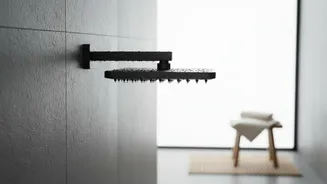
A contrast shower is a form of hydrotherapy that involves alternating between hot and cold water during a single session. Instead of a full-body immersion in separate tubs, which can be impractical, a contrast shower provides a convenient way to get similar
benefits. The core idea is to subject your muscles and circulatory system to rapid temperature changes, creating a unique physiological response that can aid in recovery. It’s a practice long used by elite athletes that is now gaining traction with everyday fitness enthusiasts looking for an edge in their post-workout routine.
The Science of Hot and Cold
The magic of contrast therapy lies in how your circulatory system reacts to temperature swings. The hot water causes vasodilation, where your blood vessels widen, increasing blood flow to your muscles and skin. This helps to relax tight muscles and bring nutrient-rich blood to tissues. Conversely, the cold water triggers vasoconstriction, causing your blood vessels to narrow. This process helps reduce inflammation, swelling, and can even numb nerve endings to decrease the perception of pain. This rapid alternating between opening and closing the blood vessels creates a “pumping” action, which is believed to help flush out metabolic waste products, like lactic acid, that accumulate during intense exercise.
Key Benefits for Urban Runners
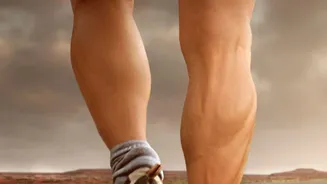
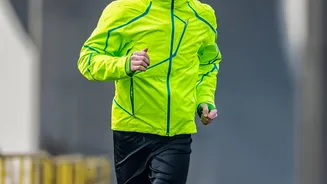
Running on hard surfaces like concrete and asphalt, a reality for most urban runners, creates significant impact and stress on muscles and joints. This can lead to delayed onset muscle soreness (DOMS). Several studies have shown that contrast water therapy can be more effective at reducing the symptoms of DOMS than passive rest alone. By helping to manage inflammation and speed up the removal of waste products, runners may experience less stiffness and pain in the 24 to 48 hours following a hard run. This faster functional recovery means you can feel more prepared for your next training session without soreness getting in the way, a crucial advantage when sticking to a tight weekly schedule.
Your Quick Contrast Shower Protocol
Incorporating this into your routine is simple. After your run and stretch, hop in the shower and follow this evidence-informed protocol. Start with 3 to 5 minutes of hot water that’s warm enough to be comfortable but not scalding. Then, switch the tap to cold for about one minute. The cold water should be brisk, typically between 10-15°C if you can measure it, but simply making it as cold as you can comfortably tolerate is a good starting point. Repeat this hot-cold cycle three to four times, making sure to always end your shower on a cold cycle to maximize the anti-inflammatory benefits. The entire process can take as little as 10 to 15 minutes, making it an efficient addition to any post-run cooldown.
Is It a Cure-All for Soreness?
While many runners and athletes swear by it, it's important to view contrast showers as one tool in a comprehensive recovery toolkit. The scientific evidence, while generally positive, notes that benefits can be modest and vary between individuals. Contrast therapy is not a replacement for fundamental recovery practices like adequate sleep, proper nutrition, hydration, and smart training programming. It is also not recommended for acute injuries until at least 48-72 hours have passed. Furthermore, individuals with certain health conditions, such as high blood pressure, heart disease, or peripheral vascular disease, should consult a doctor before trying contrast therapy due to the stress it places on the circulatory system.