
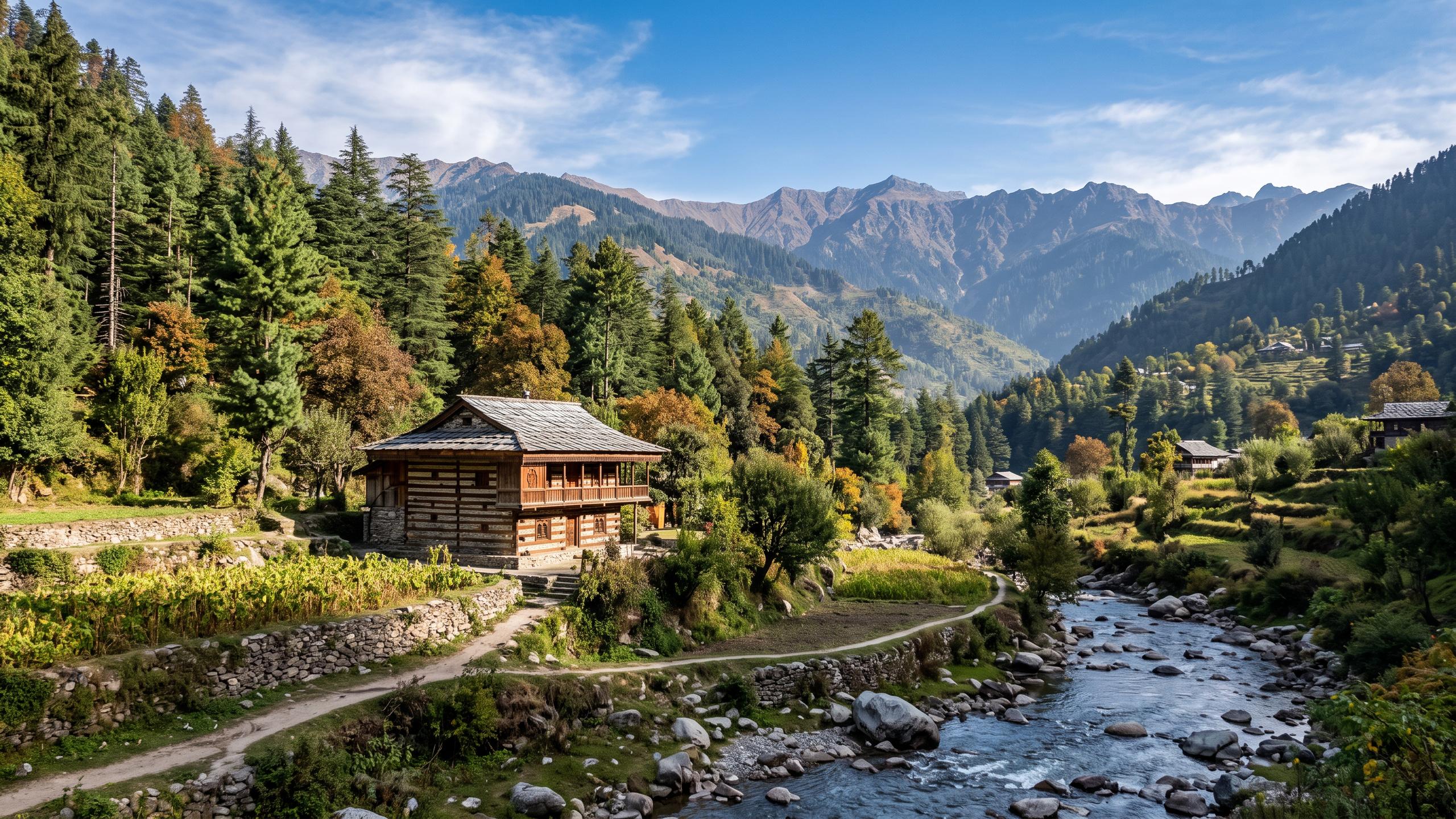


The Great Migration to the Mountains
For years, the 'work from mountains' fantasy was just that—a fantasy, often foiled by patchy internet and a lack of infrastructure. But the remote work revolution has changed the game. Tired of urban congestion and burnout, a wave of professionals from IT
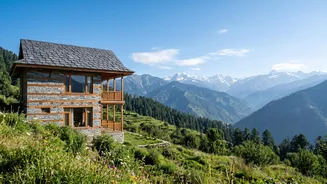
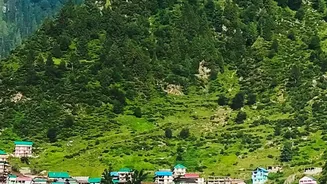
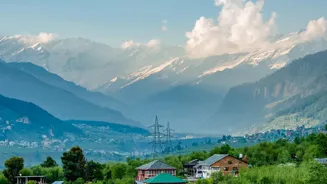
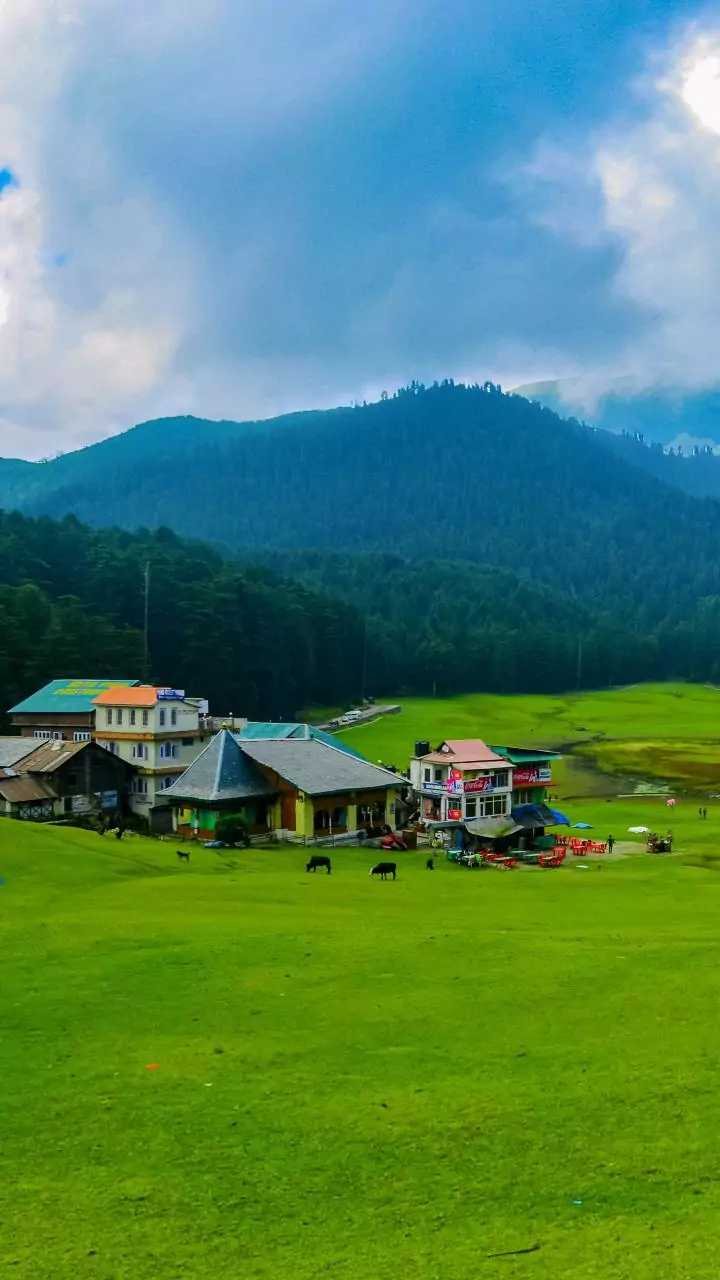
experts to creative freelancers are swapping city apartments for serene Himalayan towns. This isn't just a long holiday; it's a lifestyle shift. They are seeking a better quality of life, cleaner air, and a space where work deadlines and nature walks can coexist. Destinations across Himachal Pradesh, from Dharamshala to Jibhi, have become hotspots, but the small, historic town of Naggar is emerging as a preferred destination for those in the know.
Naggar's Allure: Culture, Calm, and Connectivity
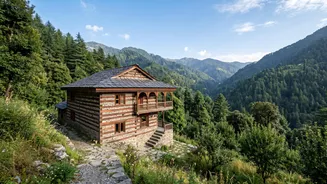
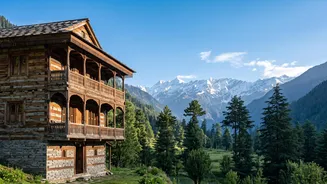
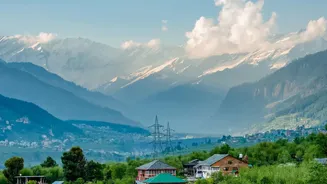
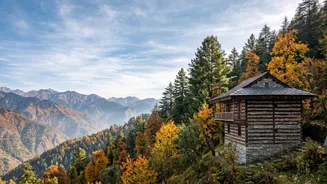
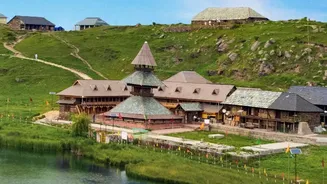
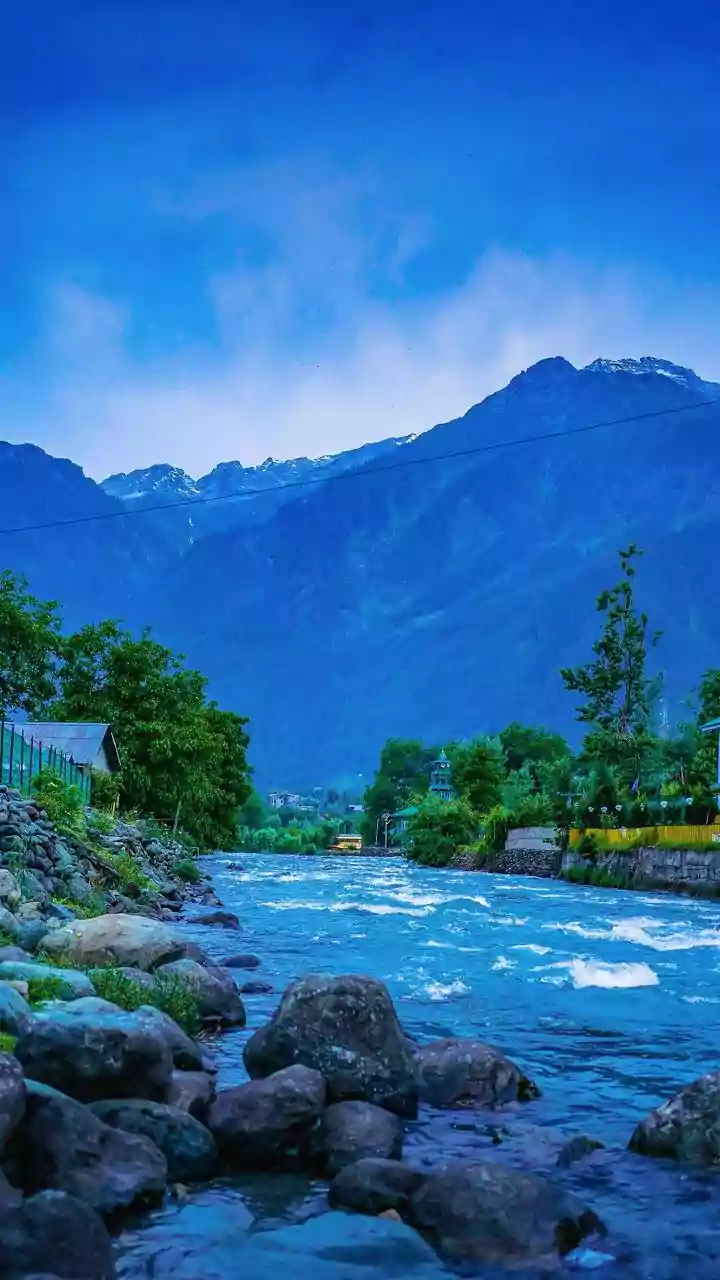
So, why Naggar? Unlike the bustling tourist hubs of Manali or Shimla, Naggar offers a unique blend of tranquillity, rich history, and modern amenities. Nestled in the Kullu Valley, this ancient capital is steeped in heritage, home to the historic Naggar Castle and the Nicholas Roerich Art Gallery. This cultural backdrop, combined with its stunning natural beauty of deodar forests and apple orchards, creates an inspiring environment for focused work. But the real game-changer has been the arrival of reliable, high-speed internet. Once a major hurdle, robust fiber optic networks now provide the stable connectivity essential for video calls, cloud-based work, and seamless digital workflows, making Naggar a truly viable remote work base.
Inside a Himalayan Co-Living Space
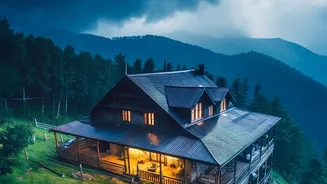
The engine driving Naggar's remote work scene is the rise of co-living spaces and work-friendly homestays. These aren't just rooms for rent; they are curated ecosystems designed for the modern professional. Properties like 'Pahadi Robinhood' and 'The North' offer a package deal: a private room or dorm, high-speed Wi-Fi with power backup, shared kitchens, and common areas designed for both work and socializing. Some even feature dedicated co-working zones, design studios, and organize workshops. The monthly cost for such a setup can range from ₹22,000 to over ₹40,000, which often includes utilities. This model removes the logistical headaches of setting up a home, allowing residents to plug in and focus on work from day one, all while being part of a built-in community.
More Than a Desk with a View
The appeal of these co-living spaces extends far beyond a stable internet connection. The community aspect is a huge draw for remote workers who might otherwise feel isolated. These hubs foster a vibrant social environment where residents—a mix of developers, writers, artists, and entrepreneurs—can connect, collaborate, and share experiences. After shutting their laptops for the day, their 'commute' might be a short trek to the stunning Jana Waterfall, a yoga session with a mountain backdrop, or exploring local Himachali cuisine at a nearby cafe. This integration of work, wellness, and adventure is the core of the work-from-mountains lifestyle, offering a holistic antidote to the pressures of city life.
Is the Mountain Office for Everyone?
While the dream is compelling, it comes with its own set of realities. The cost of living in a curated co-living space, while often cheaper than a major metro city, is still a significant expense. Furthermore, while Naggar is well-connected by road, it remains a remote town. Access to specialized medical facilities, large-scale shopping, and the conveniences of a big city are limited. Life moves at a slower pace, which can be a culture shock for some. The lifestyle is best suited for independent, self-reliant individuals who are comfortable with quiet periods and can adapt to the rhythms of mountain life. It's a trade-off: swapping urban convenience for natural splendour and a tight-knit community.