




Beyond the Grams: What is Protein Quality?
For years, we've been taught to count grams of protein. But nutrition science reveals a more nuanced picture. The true value of a protein source depends on two things: its amino acid profile and its digestibility. Proteins are made of building blocks
called amino acids. Your body needs 20 different kinds, nine of which are 'essential' because your body can't make them—you must get them from food. A 'complete' protein contains all nine. Secondly, digestibility refers to how well your body can break down the protein and absorb these amino acids for use in everything from muscle repair to immune function.
The Scorecard: Meet PDCAAS and DIAAS
To measure protein quality, scientists developed scoring systems. For decades, the standard was the Protein Digestibility Corrected Amino Acid Score (PDCAAS). It assesses a protein based on its amino acid content and digestibility, with a top score of 1.0. However, in 2013, the UN's Food and Agriculture Organization proposed a more accurate method: the Digestible Indispensable Amino Acid Score (DIAAS). Unlike PDCAAS, which measures digestibility from fecal matter, DIAAS measures amino acid absorption at the end of the small intestine—a more precise reflection of what your body actually absorbs. It also isn't capped at a top score, allowing for a better ranking of high-quality proteins.
Why Plant Proteins Score Differently
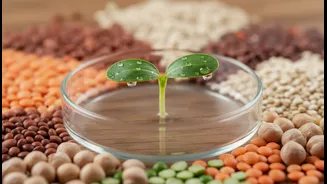
Generally, animal proteins like whey and eggs score higher on the DIAAS scale than most plant proteins. This is due to two main factors. First, many plant-based proteins are 'incomplete,' meaning they are low in one or more essential amino acids like lysine or methionine. For example, dals are often low in methionine, while rice is low in lysine. Second, plant-based whole foods can contain 'anti-nutritional factors' and fibrous cell walls that can slightly reduce the body's ability to absorb the protein. This doesn't mean plant proteins are inferior, but it does mean we need to be smarter about how we eat them.
The Longevity Connection
So, why does this matter for a longevity-focused diet? As we age, maintaining muscle mass is critical for metabolic health, strength, and preventing age-related decline (sarcopenia). This requires a sufficient supply of high-quality, easily absorbed protein. Research shows that diets rich in plant-based foods are linked to longer, healthier lives. By focusing on protein quality, not just quantity, you ensure your body gets the essential amino acids it needs to repair cells, support metabolism, and maintain muscle—all cornerstones of healthy aging.
Making It Work: Smart Protein Choices in India
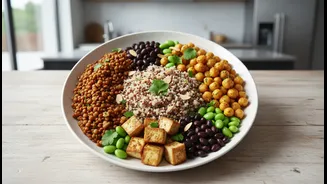
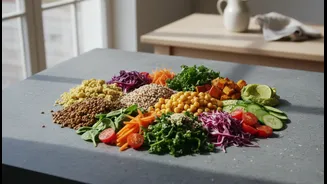
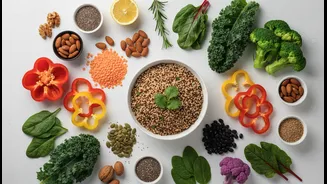
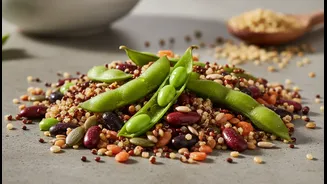
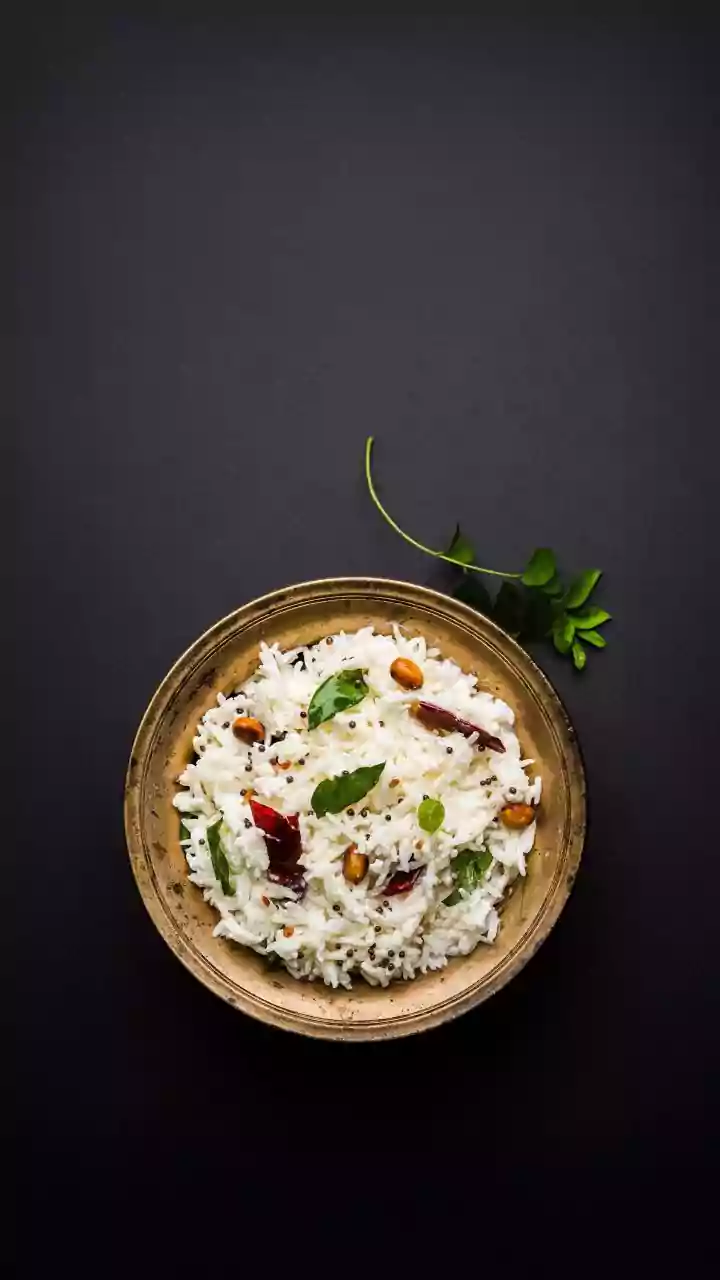
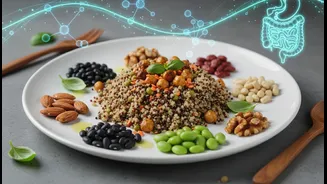
The good news is that Indian food traditions have long held the secret to maximising plant protein quality: combining foods. The classic pairing of dal (lentils) with rice or roti creates a complete protein profile, as the amino acids lacking in one are supplied by the other. To optimise your intake, focus on variety. Incorporate a wide range of protein sources like dals, chana (chickpeas), rajma (kidney beans), peanuts, and seeds. Soya products, including tofu and soya chunks, are among the few plant sources that provide a complete, high-quality protein on their own and are excellent additions to any diet. By consciously combining different plant foods throughout the day, you can easily meet your body's needs for all essential amino acids.