


1. Zermatt: The Domain of the Matterhorn
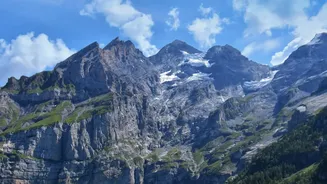
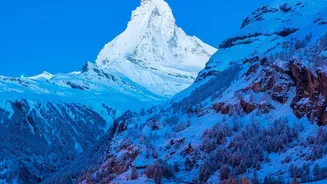
The primary reason for Zermatt's immense popularity is the magnificent Matterhorn, arguably the world's most photographed mountain. This pyramid-shaped peak has an almost mythical status that pulls in hikers, skiers, and sightseers from across the globe.
The town itself adds to the charm; as a car-free village, its streets are filled with the quiet hum of electric taxis and the clip-clop of horse-drawn carriages, preserving a timeless alpine atmosphere. To understand Zermatt is to understand the power of a single, iconic natural wonder. While the main streets can feel congested, the magic reveals itself when you engage with the mountain. Take a ride on the Gornergrat railway for panoramic views of glaciers and peaks or hike one of the many trails, like the Five Lakes Trail, where the crowds thin and the Matterhorn's majesty can be appreciated in relative peace.
2. Lucerne: The Lakeside Storybook City
Lucerne feels like it was plucked from a fairy tale, with its stunning lakeside setting, well-preserved medieval architecture, and a backdrop of impressive mountains like Pilatus and Rigi. The city's heart is the Chapel Bridge (Kapellbrücke), a 14th-century wooden bridge that is an icon of Switzerland. This historical significance, combined with its central location, makes Lucerne a fixture on nearly every Swiss itinerary. The crowds that gather on the bridge and in the Old Town are there because the city perfectly blends history, nature, and accessibility. To understand Lucerne, look beyond the main attractions. Walk along the old city walls (Musegg Wall) for a different and less crowded perspective of the city and lake. Or, take a leisurely stroll along the lake promenade away from the central hub to find the tranquility that has drawn visitors for centuries.
3. Interlaken and the Jungfrau Region
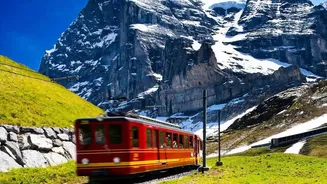
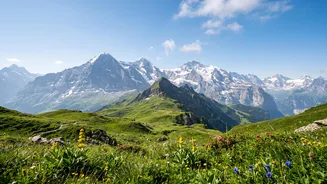
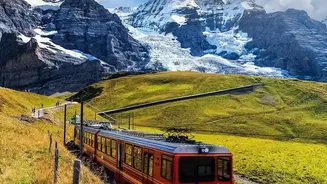
Interlaken is not so much a destination as it is a gateway. Nestled between two stunning lakes, Thun and Brienz, it serves as the adventure capital and primary access point to the majestic Jungfrau massif, which includes the iconic peaks of Eiger, Mönch, and Jungfrau. Its popularity has become a point of contention, with some travel guides flagging the region for 'overtourism' due to the sheer volume of visitors heading for hotspots like Jungfraujoch, the 'Top of Europe'. To understand this area is to see it as a hub for a much larger region. The crowds are concentrated because everyone is funneling toward the same famous peaks. The key is to use Interlaken as a starting point but explore the periphery. Consider staying in quieter, car-free villages like Wengen or Mürren, which offer breathtaking views and a more authentic alpine experience away from the main tourist arteries.
4. Geneva: The International Crossroads
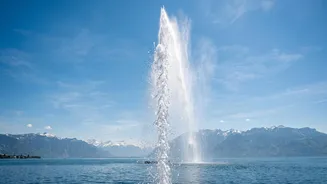
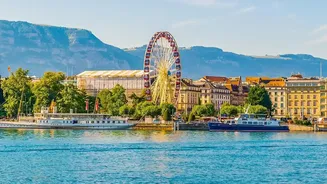
Geneva's fame is built on a different foundation. While it boasts the stunning Lake Geneva and the iconic Jet d'Eau, its primary draw is its global significance. As the European headquarters for the United Nations and home to organisations like the Red Cross, it has a deeply international and diplomatic character. This brings a constant flow of business travellers and diplomats, who mix with tourists drawn to its sophisticated atmosphere and luxury shopping along the Rue du Rhône. To understand Geneva is to appreciate its dual identity as both a scenic city and a world stage. While the areas around the lake and the main train station are perpetually busy, the city’s true character can be found in its diverse neighbourhoods. Explore the bohemian streets of Carouge, often called the 'Greenwich Village of Geneva,' with its artisan shops, unique boutiques, and relaxed cafés for a taste of local life.
5. Zurich: The Financial Powerhouse with a Soul
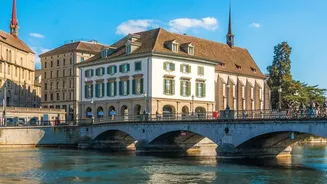
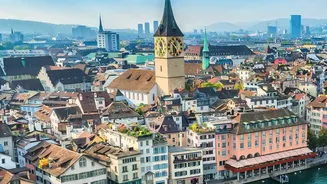
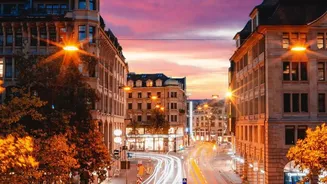
As Switzerland's largest city and a major global financial centre, Zurich's crowds are a given. Tourists and business travellers pack the Bahnhofstrasse, one of the world's most exclusive shopping streets, and fill the trains at its bustling station, one of Europe's busiest. However, to label it as just a busy economic hub is to miss the point. To understand Zurich, you need to see beyond the banks. The city has a beautifully preserved Old Town (Altstadt) with medieval lanes, the famous Chagall windows at Fraumünster church, and numerous museums. It is also a city of immense natural beauty, wrapping around the northern tip of Lake Zurich with views of the Alps in the distance. When the main streets feel too hectic, escape to the trendy, post-industrial Zurich West for a look at modern culture, or simply take a boat out on the lake to see the city from a serene and refreshing perspective.