
The Rise and Fall of the Beige Empire
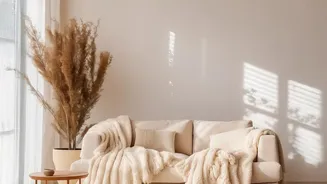
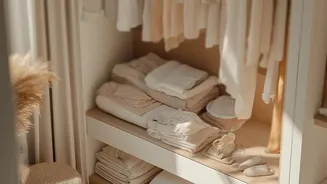
Let's be honest: the all-beige-everything trend had a good run. It was the visual equivalent of a cozy blanket, promoted by influencers and fueled by a collective desire for calm and simplicity. This minimalist aesthetic, often associated with 'quiet
luxury', offered a clean, uncluttered backdrop that felt both safe and sophisticated. However, as we've spent more time in our homes, what once felt serene has started to feel, for many, a bit impersonal and flat. Designers note that when everything is one-note, a room can lose its warmth and individuality. The pendulum is now swinging back as people seek to create spaces that feel more expressive, layered, and reflective of their own unique personalities.
Why We're Craving Colour Again
This move towards colour isn't just a fleeting trend; it's rooted in psychology. Colours have a proven impact on our mood and well-being. After a period of global uncertainty, there is a growing desire to fill our personal spaces with joy, energy, and character. Cool tones like blue and green can promote calmness and focus, while warmer hues like terracotta and yellow can foster social energy and happiness. This renewed interest in colour is about making our homes feel alive and nurturing. It’s a rebellion against the one-size-fits-all showroom look and a move towards creating environments that are emotionally restorative and deeply personal.
What is a Balanced Colour Palette?
Embracing colour doesn't mean your living room needs to look like a box of crayons. The key is balance. A balanced palette is a thoughtful combination of colours that create harmony rather than chaos. A classic designer guideline is the 60-30-10 rule. Your dominant colour (often a neutral) takes up about 60% of the space, typically on the walls. A secondary colour uses 30%, perhaps in furniture or rugs. Finally, an accent colour provides the final 10% of pop through decor, art, and pillows. This layered approach adds depth and dimension, preventing a room from feeling flat or overwhelming. The goal is a scheme that feels cohesive and intentional.
Start with a Modern Neutral Base
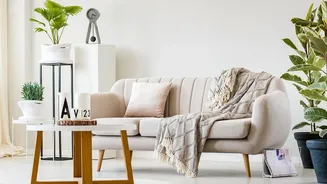
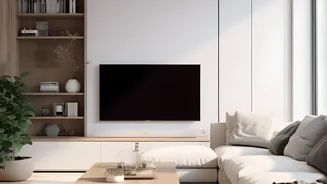
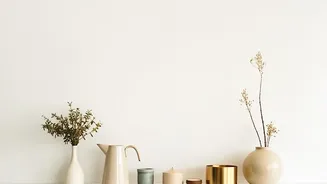
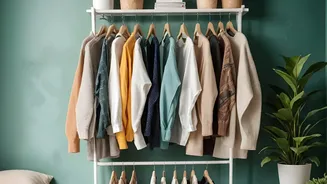
Moving on from beige-on-beige doesn't mean abandoning neutrals altogether. In fact, they are the foundation of a balanced palette. The difference is in the complexity of the neutrals being used today. Instead of a flat, single shade, designers are layering warmer, more nuanced neutrals like mushroom, taupe, creamy whites, and earthy greens. These 'anti-neutral' neutrals have more depth and character, shifting with the light throughout the day. Think of this as your 60% base. It still provides a calming backdrop but offers more personality than the beiges of the past, creating the perfect canvas for you to layer in other colours and textures.
Layering with Purposeful Colour
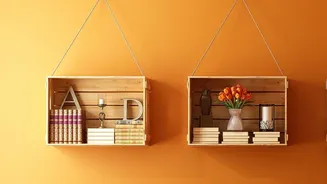
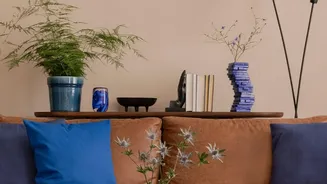
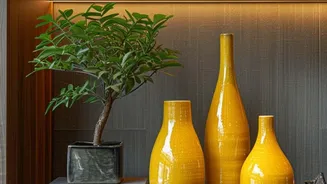
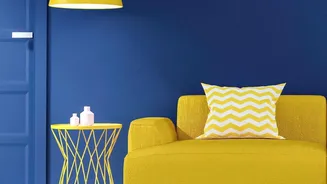
Once you have your neutral foundation, it's time for the fun part: adding your secondary and accent colours. Rich, expressive shades are trending, with designers pointing towards deep teals, merlot reds, plums, and various shades of blue. If you're hesitant, start small. Introduce a colour with a velvet armchair, a set of patterned cushions, or a vibrant piece of artwork. These elements can be easily swapped as your confidence grows. The key is to choose colours that you genuinely love and that create the mood you want for the space—whether that’s the calming effect of a deep blue or the cheerful energy of a buttery yellow.
Don't Forget Texture and Materials
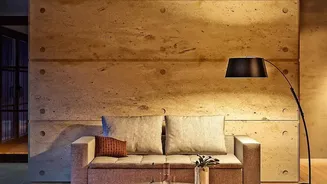
A truly balanced room engages more than just the eyes. Texture is a crucial element that adds warmth and interest, preventing even a neutral scheme from feeling flat. A successful interior is a conversation between colour, material, and light. Think about incorporating a variety of finishes: the smoothness of warm woods, the gleam of metal accents, the softness of linen curtains, and the roughness of a stone coffee table. These tactile elements create sensory depth and make a space feel richer and more considered. This evolution of minimalism is less about emptiness and more about meaningful, soulful simplicity.