


A Healthier, Guilt-Free Indulgence
Across kitchens and bakeries, a quiet revolution is taking place. Chefs are swapping traditional all-purpose flour (maida) for ancient Indian grains like finger millet (ragi) and sorghum (jowar). This change is more than just a passing trend; it is a response
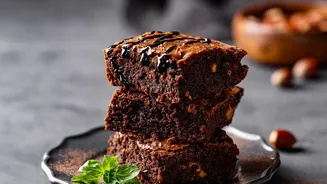
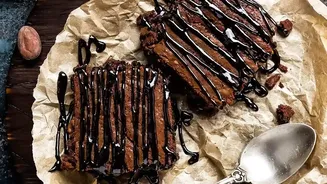
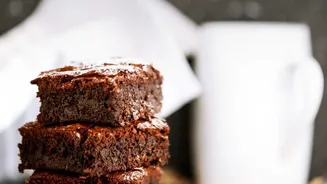
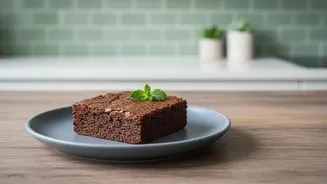
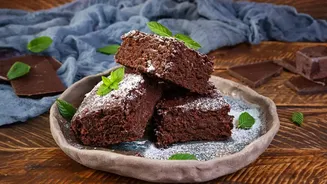
to a growing demand from health-conscious consumers who want their treats to be both delicious and nutritious. By incorporating these millets, a simple brownie is transformed from a guilty pleasure into a more balanced dessert, packing a nutritional punch without sacrificing the flavour that makes it so beloved.
The Nutritional Power of Millets
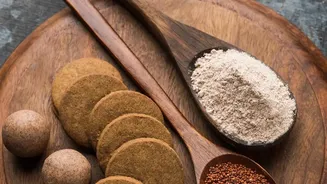
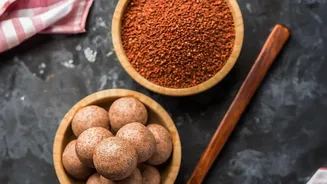
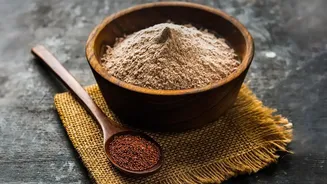
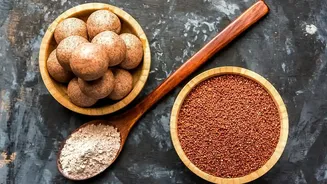
The secret to this upgrade lies in the incredible nutritional profile of millets. Ragi, for instance, is a powerhouse of calcium, containing significantly more than wheat, which is essential for bone health. It is also rich in dietary fibre, which aids digestion and helps you feel full for longer. Sorghum, another gluten-free grain, is packed with protein, fibre, and antioxidants. Compared to refined wheat flour, which offers little more than empty calories, these millet flours provide sustained energy, essential minerals like iron and magnesium, and can even help in regulating blood sugar levels due to their lower glycaemic index.
Mastering Texture and Taste
Baking with millet flours is both an art and a science. These gluten-free flours behave very differently from wheat. They absorb more moisture and can result in a denser, drier texture if not handled correctly. The challenge for chefs is to achieve that perfect, gooey brownie consistency. Many have found success by blending millet flours with other ingredients or using a mix of ragi and jowar to balance the structure. These flours also introduce a unique flavour profile. Ragi brings a pleasant, earthy nuttiness, while sorghum has a milder, slightly sweet taste that complements the deep notes of dark chocolate beautifully. To enhance moisture, chefs often increase fats like butter or add an extra egg to the mix.
More Than Just a Diet Trend
This movement is about more than just making desserts healthier; it is part of a larger cultural shift towards embracing indigenous ingredients. For years, millets were considered humble grains, but now they are being celebrated for their versatility and sustainability. By using ragi and jowar in a globally popular dessert like the brownie, chefs are giving these traditional grains a modern, aspirational platform. This culinary innovation connects a new generation with the foods of their heritage, proving that traditional ingredients have a firm place in contemporary cuisine. It is a delicious fusion of local pride and global appeal.
Tips for the Home Baker
Inspired to try this at home? The good news is that you do not need to be a professional pastry chef. If you are new to baking with millets, start by substituting just a small portion of the refined flour in your favourite brownie recipe—around 25% ragi or sorghum flour is a good starting point. Pay attention to the batter's consistency; you may need to add a little extra liquid, like milk or yoghurt, to prevent it from becoming too thick. Don't be afraid to experiment with natural sweeteners like jaggery or dates powder, which pair wonderfully with the earthy flavours of the millets. The result will be a brownie that is not only fudgy and delicious but also something you can feel genuinely good about eating.