






Prioritise Your Premium Picks
Not every item in your pantry needs to be top-shelf. The secret to a budget-friendly premium pantry is knowing where to splurge and where to save. Identify a few 'hero' ingredients that make the biggest impact on your cooking. This could be a high-quality
cold-pressed oil, authentic Basmati rice, or a specific organic spice blend. For everyday items like table salt or certain dals, a standard, trusted brand will often do the job perfectly well, allowing you to allocate your budget towards items where quality truly transforms a dish.
Master the Art of Bulk Buying
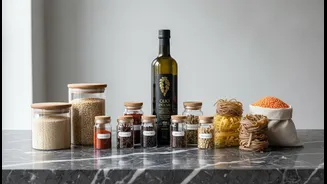
For non-perishable pantry staples like rice, atta, lentils, and whole spices, buying in bulk is one of the most effective ways to save money. Wholesalers or larger cooperative stores often offer significantly lower per-kilogram prices compared to smaller retail packs. While the upfront cost is higher, the long-term savings are substantial. This strategy works best for items your family consumes regularly. Just ensure you have a cool, dry place to store them properly in airtight containers to prevent spoilage and pests.
Embrace Local and Seasonal Bounty
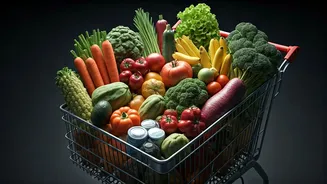
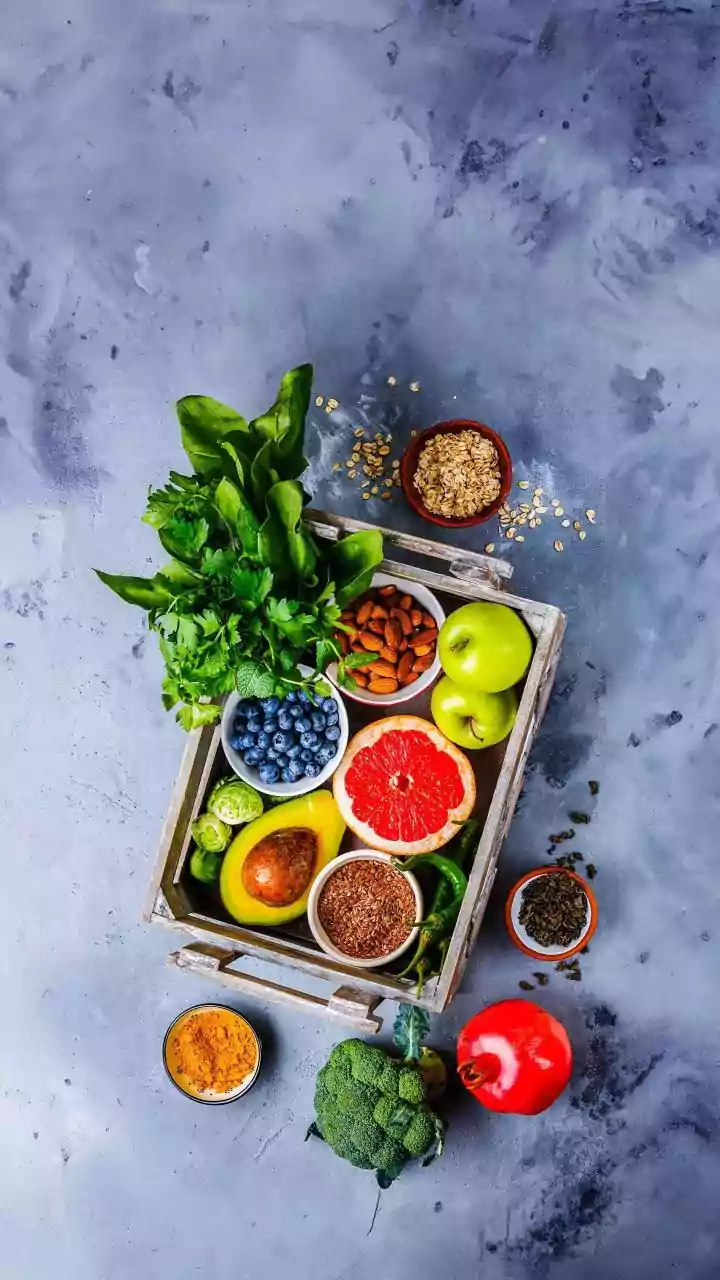
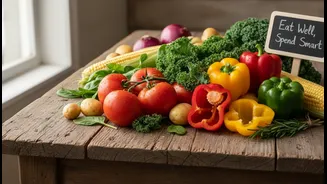
A premium pantry isn’t just about imported goods. Some of the highest quality ingredients are sourced locally. Visiting your weekly farmers' market or local mandi can yield incredibly fresh, flavourful, and often organic produce at a fraction of supermarket prices. This is especially true for seasonal fruits and vegetables, which are cheaper and more nutritious when they are in abundance. These markets are also great places to discover local artisans making cheese, pickles, and chutneys that can add a unique, premium touch to your pantry.
Become a Savvy Online Shopper
The digital marketplace offers a wealth of opportunities for the discerning but budget-conscious shopper. Many online-only stores specialise in gourmet and organic foods, often at competitive prices because they have lower overheads. Look for direct-to-consumer (D2C) brands that cut out the middleman, offering premium quality for less. Before you buy, use price comparison websites and apps, look for coupon codes, and check for special offers or combo deals. Signing up for newsletters can also alert you to upcoming sales.
DIY Your Gourmet Staples
Many 'gourmet' items are surprisingly simple to make at home, giving you superior freshness and quality control for a much lower cost. Instead of buying expensive flavoured oils, infuse a good quality oil with your own herbs and spices. You can make your own ghee from butter, grind your own spice mixes for peak freshness, or prepare chutneys and sauces from seasonal produce. These homemade versions are not only more economical but are also free from the preservatives and artificial additives often found in store-bought products.
Store Smart and Waste Less
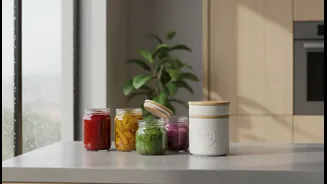
The most expensive ingredient is the one you throw away. Proper storage is crucial, especially for premium items. Invest in good quality, clear, airtight containers. This not only protects your ingredients from pests and humidity but also allows you to see what you have at a glance, preventing you from buying duplicates. Implement a 'first-in, first-out' system: when you buy a new batch of an item, move the older stock to the front to ensure it gets used first. These small habits significantly reduce food waste and protect your investment.