

The Misleading 'Zero Gravity' Myth
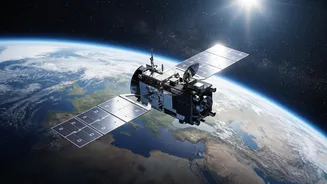
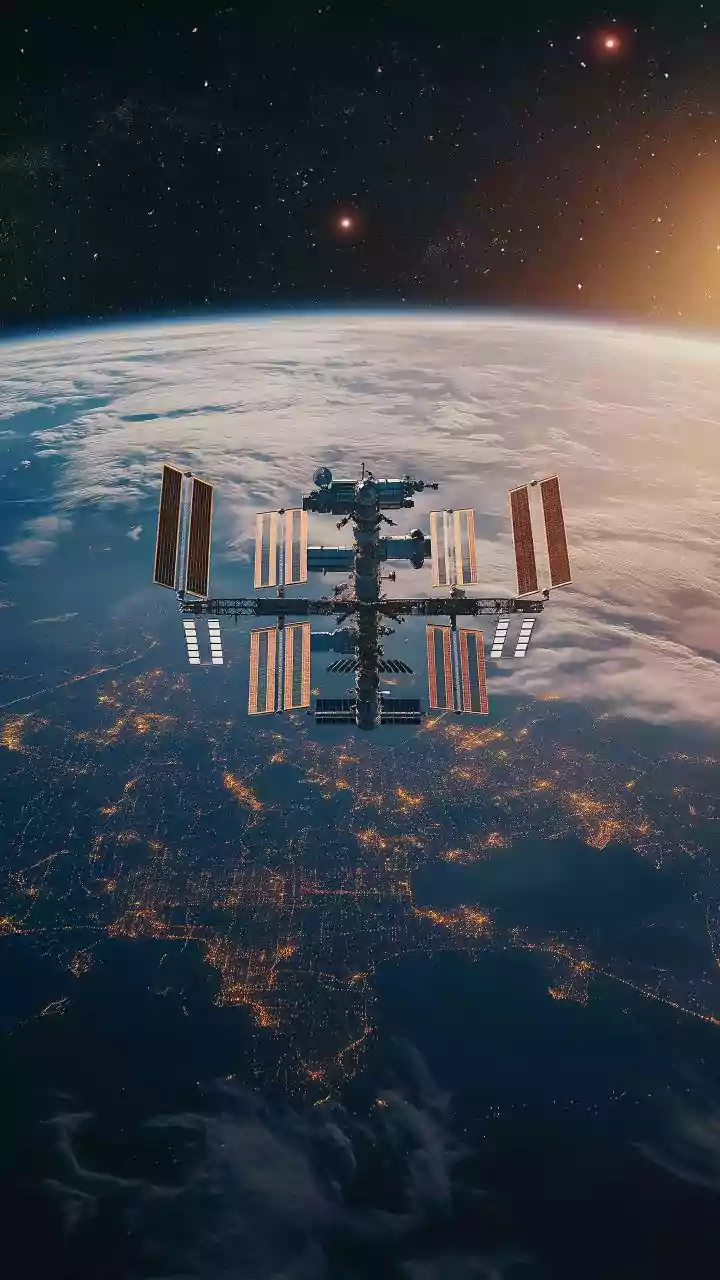
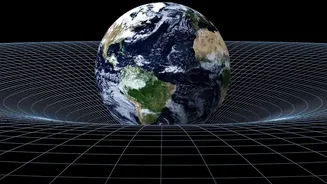
The term 'zero gravity' is a popular but misleading way to describe what's happening in orbit. The International Space Station flies at an altitude of about 250 miles. At that height, Earth's gravitational pull is still about 90% as strong as it is on the
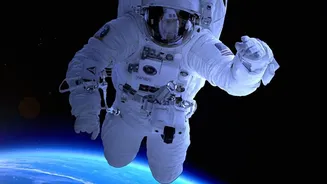
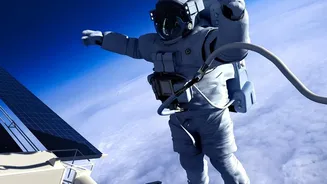
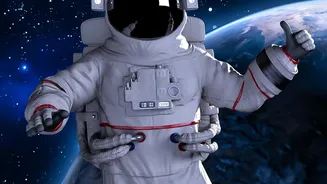
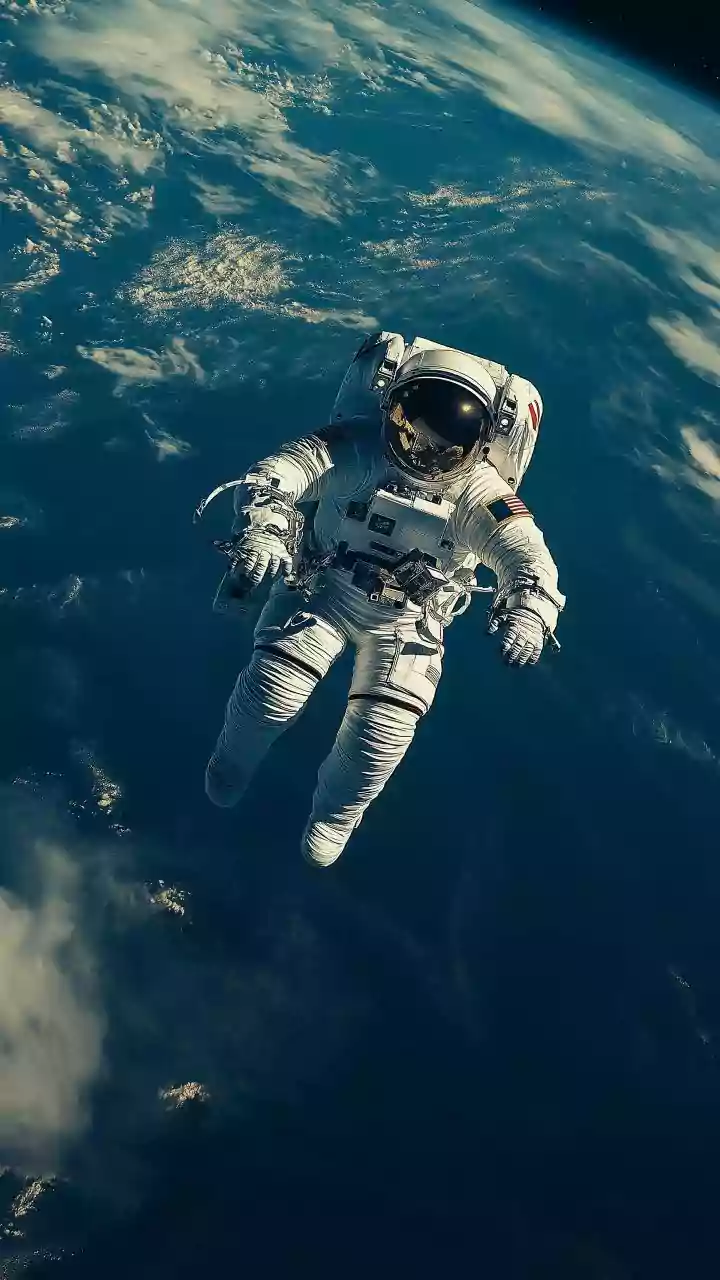
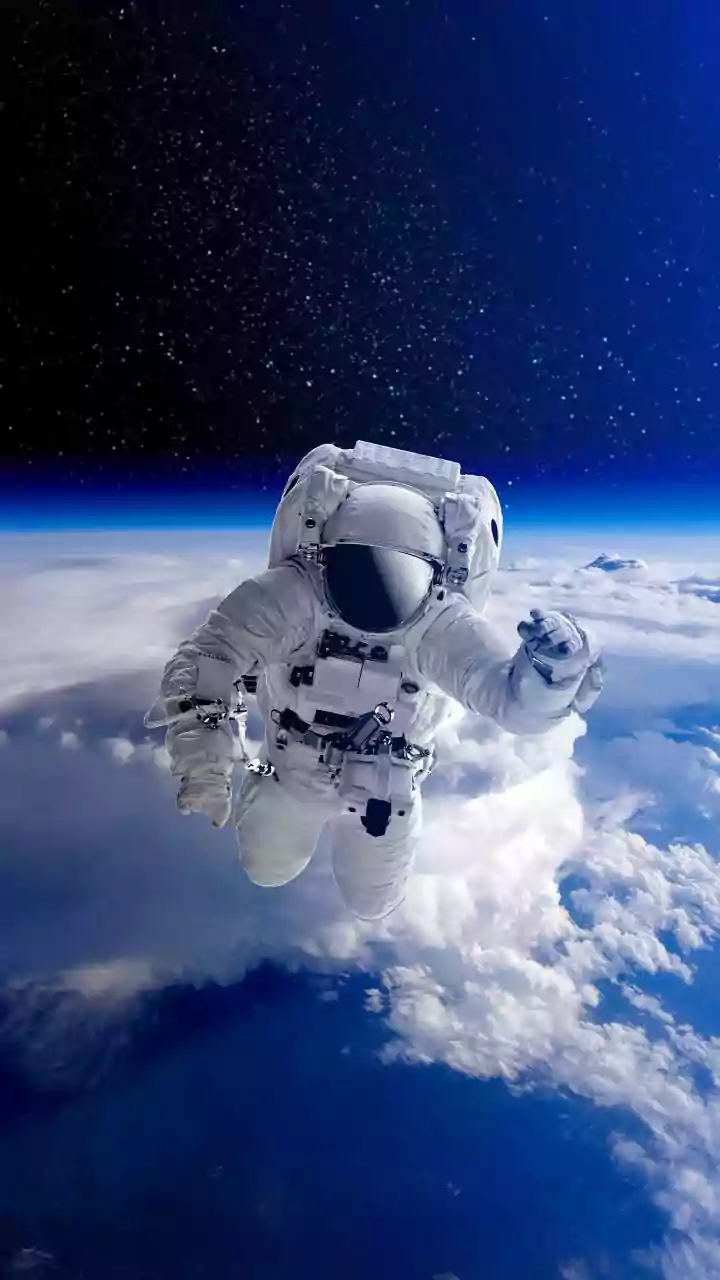
surface. If you could build a ladder that high, a 180-pound person would still weigh about 162 pounds. So, if gravity is still so powerful, why do astronauts float? The answer isn't that they've escaped gravity's pull, but that they are in a constant state of free fall.
It's Not Floating, It's Falling with Style
The key concept NASA uses to explain weightlessness is free fall. Imagine you're in an elevator and the cables snap. For the few terrifying seconds before it hits the bottom, you and everything else in the elevator would be falling at the same rate. If you took a ball out of your pocket and 'dropped' it, it would just hover in front of you. You, the ball, and the elevator are all plummeting together. This is precisely what's happening on the ISS. The station, the astronauts, and every piece of equipment are all continuously falling toward Earth under the force of gravity. Because everything is falling together, they float relative to one another.
Newton's Cannonball and the Perfect Shot
To understand why they don't crash into Earth, NASA often refers to a thought experiment by Isaac Newton. Imagine a cannon on an impossibly tall mountain, high above the atmosphere to negate air resistance. If you fire a cannonball with a small amount of gunpowder, it travels a short distance before gravity pulls it to the ground. Fire it with more force, and it travels farther. But if you fire it at the exact right speed—about 17,500 miles per hour—something amazing happens. As the cannonball falls, the Earth's surface curves away beneath it at the same rate. The cannonball is still falling, but it never gets any closer to the ground. It's perpetually 'missing' the Earth. This is what an orbit is: a perfect balance between forward velocity and the downward pull of gravity.
Why 'Microgravity' Is the Better Term
Because 'zero gravity' is inaccurate, scientists and NASA prefer the term 'microgravity'. The 'micro' prefix signifies that while the force of gravity is still very much present, the sensation of weight—the force of the ground pushing back on you—is almost entirely gone. In the free-falling environment of the ISS, the net acceleration felt by objects is incredibly small, just a tiny fraction of what we feel on Earth. This unique environment is what allows for groundbreaking research on everything from material science to the human body, revealing things that are impossible to observe when gravity's effects are in full force.