

The Rise of the Restful Retreat
The movement towards earthy, comfortable interiors is more than just a fleeting trend; it’s a response to a collective desire for grounding and tranquility. Often called 'warm minimalism' or 'organic modern,' this aesthetic prioritizes creating a space
that feels like a gentle embrace. It swaps the cold, showroom-like feel of previous minimalist iterations for a lived-in, personal atmosphere. The goal is to design a home that serves as a calm retreat from the outside world, focusing on wellness and a connection to what feels real and essential.
A Palette Pulled from Nature
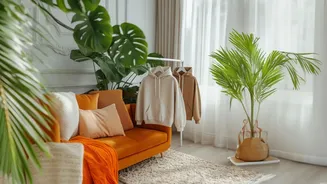
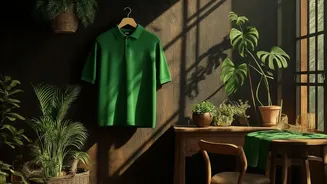
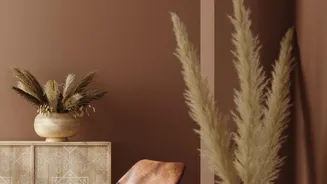
The foundation of this trend is a color palette drawn directly from the natural world. Stark whites and cool greys are making way for warmer, more inviting hues. Think of the soft tones of terracotta, clay, and sand, complemented by muted greens like olive and sage. Deeper shades such as mustard, rich browns, and burnt orange can be used as accents to add depth and anchor a room. These colors feel inherently calming and work beautifully together because they coexist in nature, creating a harmonious and balanced environment. This shift away from the 'all-white' era helps make a space feel instantly more grounded and cozy.
Materials with a Story
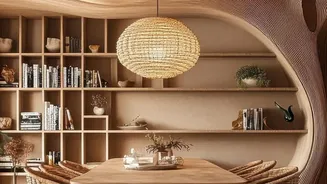
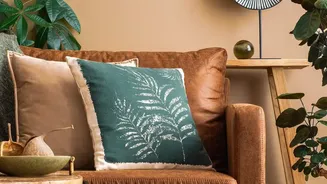
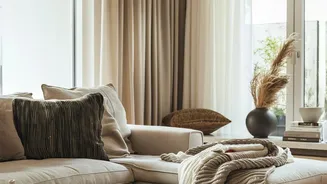
Texture is paramount in creating a comfortable, earthy home. The focus is on natural, sustainable, and tactile materials that invite touch and add visual warmth. Instead of plastic or glossy synthetics, this trend celebrates the imperfections and character of materials like solid wood, stone, rattan, and jute. Fabrics play a crucial role, with linen, organic cotton, wool, and bouclé used for everything from curtains and cushions to upholstery and throws. The presence of handcrafted ceramics, live-edge wood furniture, and woven baskets adds a layer of authenticity and soul, making a space feel curated rather than manufactured.
Furniture That Invites Connection
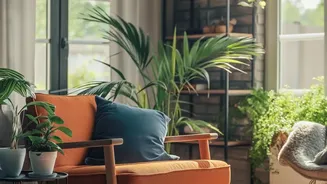
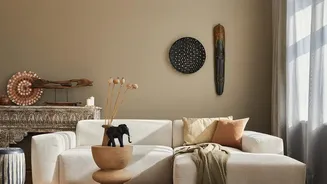
As homes become more central to our lives, furniture is evolving to be more flexible and comfort-focused. Sharp edges and rigid formality are being replaced by soft, curved silhouettes and organic shapes that feel more welcoming. Low-profile sofas, modular sectionals that can be reconfigured, and plush armchairs encourage lounging and social gathering. The emphasis is on creating environments for connection and relaxation, where furniture is not just for looking at but for living in. Materials like light-toned woods, such as natural oak, are popular for their warmth and ability to brighten a space.
Mindful Minimalism: Less Stuff, More Soul
Crucially, this trend's focus on comfort should not be confused with accumulating clutter. It’s a form of 'warm minimalism' where the goal is quality over quantity. The idea is to be intentional with your possessions, surrounding yourself with fewer, more meaningful objects that bring you joy. This approach avoids the chaotic feeling of a space that is too busy, while also steering clear of a barren, empty aesthetic. By leaving negative space, you allow the beautiful textures and curated items to stand out, creating a room that feels both soulful and serene.
Bringing the Outdoors In
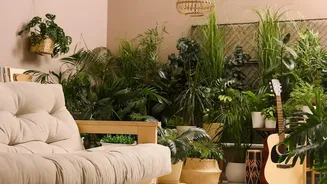
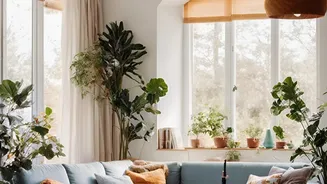
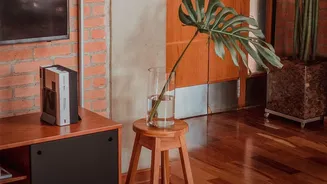
A cornerstone of earthy design is the integration of nature, a concept known as biophilic design. This is about more than just adding a few houseplants; it’s about creating a tangible connection to the natural world. Large windows that maximize natural light, the use of plants to add life and color, and arranging furniture to look out onto a garden or trees are all part of this philosophy. Incorporating natural elements has been shown to improve well-being, making your home not just a stylish space but also a healthier one.