



A Nutritional Powerhouse Explained
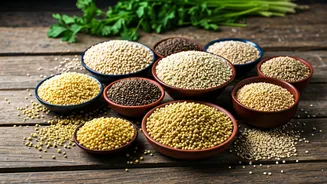
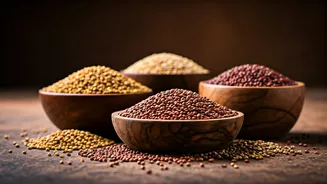
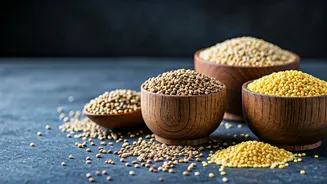
Millets are a group of small-seeded grains that are packed with protein, fibre, vitamins, and minerals. They are naturally gluten-free, making them an excellent choice for individuals with celiac disease or gluten sensitivities. Their high fibre content
aids digestion, helps regulate blood sugar levels, and can contribute to weight management by keeping you feeling full for longer. Rich in antioxidants, millets can help the body fight off harmful free radicals. They are also a good source of essential minerals like magnesium, potassium, iron, and calcium. For instance, finger millet (ragi) is renowned for its high calcium content, which is vital for bone health. Studies have also shown that regular consumption of millets can help lower cholesterol and reduce the risk of cardiovascular issues.
Meet the Popular Trio: Jowar, Bajra, and Ragi
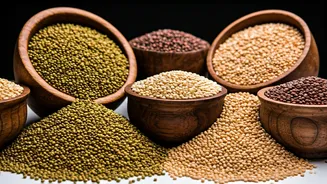
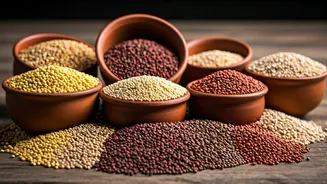
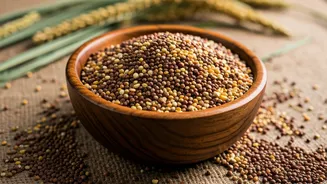
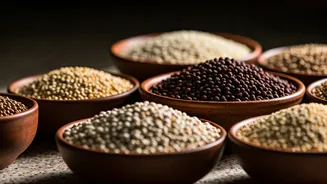
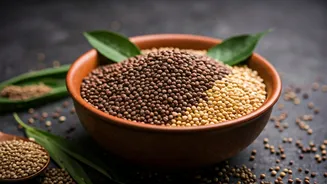
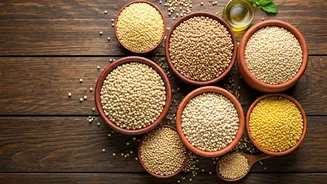
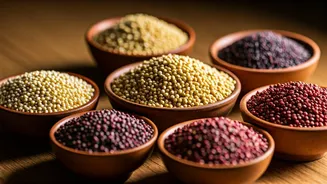
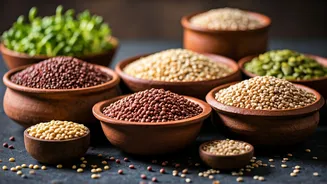
While there are many types of millets, three are particularly common in Indian households. Jowar (Sorghum) is prized for its high protein and fibre content and is rich in B-vitamins. Its ability to help reduce bad cholesterol makes it great for heart health. Bajra (Pearl Millet) is an energy-booster, packed with iron, protein, and magnesium, making it effective for combating fatigue. It has a distinctive, robust flavour. Ragi (Finger Millet) is a calcium champion, containing more calcium than any other cereal grain, making it essential for growing children and the elderly. Each millet has a unique taste and texture, offering a wide range of culinary possibilities.
Beyond Roti: Modernising Millet Meals
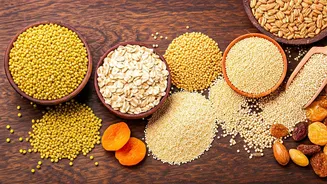
The resurgence of millets is largely due to their incredible adaptability in the kitchen. They are no longer confined to just rotis or porridge. You can start your day with a nutritious millet porridge or use millet flakes as a base for a breakfast bowl with fruits and nuts. For lunch or dinner, cooked millets can serve as a wholesome substitute for rice in pulao, khichdi, and even grain bowls tossed with fresh vegetables. Millet flours are now being used to create everything from dosas and idlis to pancakes, cookies, and cakes, adding a healthy twist to family favourites. You can even add cooked millets to soups for extra texture or blend them into smoothies for a fibre boost.
Making the Switch: Simple Swaps for Your Kitchen
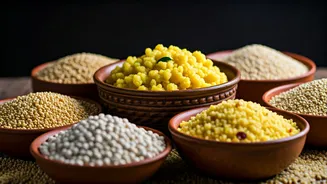
Incorporating millets into your daily diet doesn't have to be complicated. A great way to start is by making gradual swaps. Begin by replacing a portion of your regular wheat flour with millet flour when making rotis or other flatbreads. Try substituting white rice with a millet variety like foxtail or little millet for one or two meals a week. If you enjoy a poha for breakfast, try making it with jowar poha instead of rice poha for a significant nutritional upgrade. For snacks, look for millet-based options like puffs or cookies. The key is to start small, experiment with different types of millets to find what you enjoy, and balance your meals with plenty of proteins and vegetables.