


A Monumental Policy Shift
The single biggest catalyst for this transformation was the Indian Space Policy of 2023. For the first time, the government officially demarcated the roles of public and private entities, moving beyond an ad-hoc approach to a structured framework. The policy
clarified that the Indian Space Research Organisation (ISRO) would focus on advanced research and development, deep space missions, and national security, while opening up end-to-end commercial space activities to Non-Governmental Entities (NGEs). This was more than just a green light; it was a formal invitation for the private sector to build, launch, and operate everything from rockets to satellites. To oversee this new era, the government established the Indian National Space Promotion and Authorisation Centre (IN-SPACe) as a single-window agency to streamline approvals and act as an interface between ISRO and private firms, drastically cutting down on bureaucratic hurdles.
From Gatekeeper to Enabler
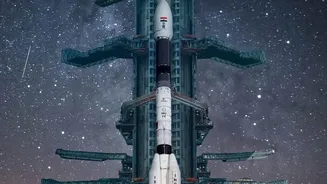
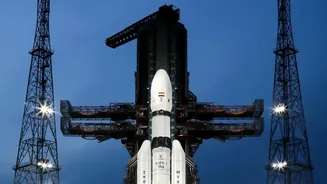
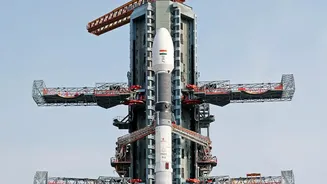
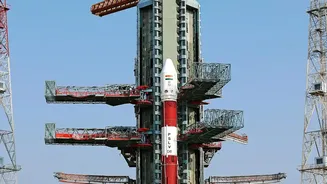
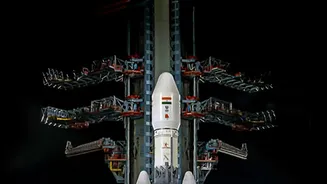
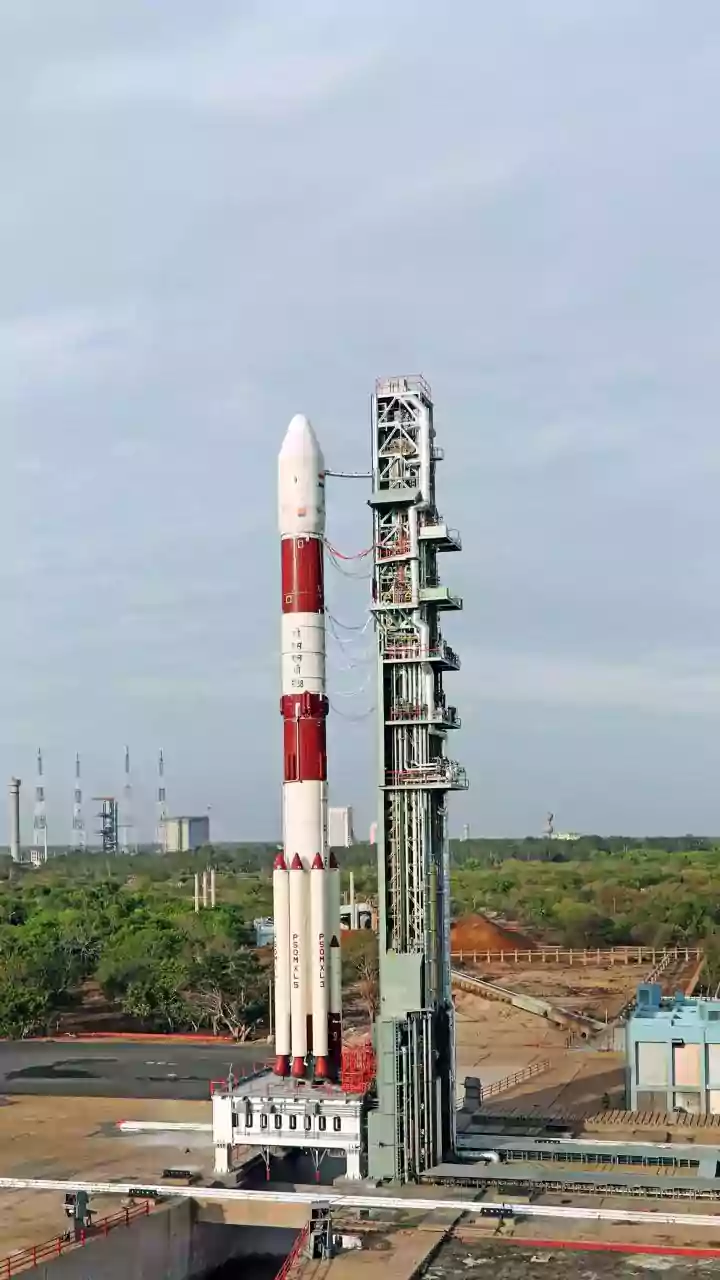
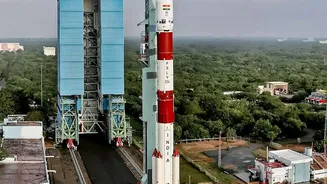
With policy in place, a crucial cultural shift began within ISRO. An organisation once responsible for every nut and bolt of the nation's space programme is now actively repositioning itself as a facilitator. This is most evident in its willingness to share its invaluable infrastructure. Startups are now gaining access to ISRO's world-class testing facilities, technical expertise, and, most importantly, its launchpads at the Satish Dhawan Space Centre. In August 2026, the Department of Space went a step further, announcing major subsidy schemes implemented by IN-SPACe. These initiatives offer private companies significant financial support—up to 50% for using ISRO facilities and 30% on launch costs for small satellite vehicles—directly lowering entry barriers and making Indian space ventures globally competitive.
The Launchpad for Homegrown Rockets
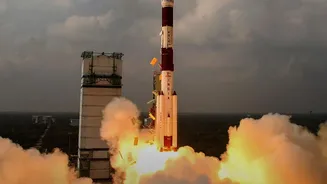
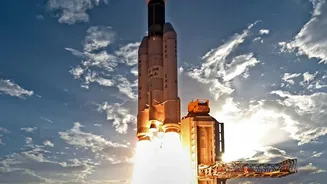
The results of this collaboration are already making headlines. Hyderabad-based Skyroot Aerospace, which in 2022 launched India's first private suborbital rocket, recently achieved its first orbital launch with the Vikram-1 rocket. This milestone was made possible through deep collaboration with ISRO, which provided critical support for propellant casting, engine testing, and launch operations. Similarly, Agnikul Cosmos, a startup incubated at IIT Madras, has leaned heavily on ISRO's support for its Agnibaan rocket, which features the world's first single-piece 3D-printed engine. The company signed a formal agreement to access ISRO's expertise and facilities, and even purchased its flight termination system directly from the agency. These partnerships show a clear and successful model: startups bring the innovation and agility, while ISRO provides the robust infrastructure and deep-seated knowledge.
A Flourishing Ecosystem Beyond Launch
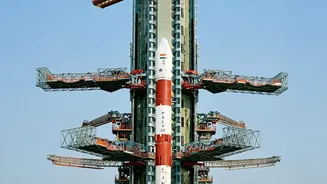
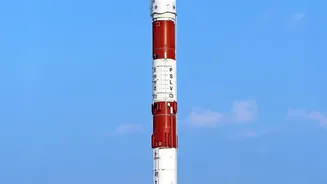
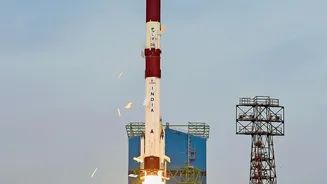
The evolution isn't limited to just rockets. The support structure is fostering a diverse ecosystem. Pixxel, a Bengaluru-based startup, is building a constellation of hyperspectral imaging satellites to create a health monitor for the planet. The company has partnered with NewSpace India Limited (NSIL), ISRO's commercial arm, to launch its satellites aboard the reliable PSLV rocket. The Indian Space Policy 2023 explicitly allows private companies to own and operate satellites and sell the data globally, opening up vast downstream opportunities. This has led to major public-private partnerships, such as a Pixxel-led consortium winning a contract to build India's first commercial Earth Observation constellation. This demonstrates that ISRO's support extends across the entire value chain, from launch services to satellite deployment and data commercialisation.
A Strategic Win-Win for India
This public-private synergy is not just beneficial for startups; it is a strategic imperative for India. For years, ISRO has been unable to meet the surging domestic demand for satellite data and launch services. By encouraging private players to take over operational launches and satellite manufacturing, ISRO can free up its own resources to focus on ambitious, frontier-defining missions. These include the Gaganyaan human spaceflight programme, a planned Indian space station by 2035, and a crewed lunar mission by 2040. This division of labour allows India to simultaneously commercialise its space capabilities and push the boundaries of science and exploration. The model is creating a vibrant space economy, projected to grow from around $8.4 billion today to $44 billion by 2033, and transforming India into a globally competitive space hub.