



What Exactly Is the Hidden Lotus Pose?
The Hidden Lotus Pose, known in Sanskrit as Gupta Padmasana or Baddha Padmasana (Bound Lotus Pose), is a complex and advanced yoga asana. It begins with the practitioner sitting in the full Lotus Pose (Padmasana), where each foot is placed on the opposite
thigh. From there, the challenge deepens significantly. There are a couple of common variations. In one, the practitioner wraps their arms behind their back to grasp the big toe of the opposite foot. In another variation, demonstrated by Shilpa Shetty, the practitioner folds forward from the lotus position, bringing their torso to rest on the mat before clasping hands behind the back and lifting them towards the ceiling. Both versions require an extraordinary combination of flexibility, balance, and strength.
The Celebrity Fitness Inspiration
Shilpa Shetty has long been a source of fitness inspiration in India, promoting a holistic approach to wellness through yoga and mindful living. When she posts a video of herself moving gracefully into an advanced posture like the Hidden Lotus, it's natural to feel inspired. Her ability to perform such a demanding asana showcases years of dedicated and consistent practice. It serves as a powerful visual of what the human body is capable of achieving. However, her flawless execution can mask the immense preparation required. Her post itself was a masterclass in responsible influence, as she carefully noted the benefits while also cautioning followers against forcing the pose, especially if they have injuries or lack the foundational flexibility.
The Rewards for the Advanced Yogi
For those who have put in the years of practice, Baddha Padmasana offers significant rewards. Physically, it provides a profound stretch for the entire body. It deeply opens the hips, pelvis, knees, and ankles. The binding action of the arms stretches the shoulders, wrists, and opens up the chest, which can help counteract the rounded posture many develop from sitting at desks. The pose is also said to stimulate the digestive organs through gentle abdominal pressure and improve overall agility. Mentally, the intense focus required to enter and hold the pose calms the nervous system, reduces stress, and enhances concentration, making it a powerful posture for preparing for meditation.
A Clear Warning: This Is Not for Beginners
The most important takeaway from seeing an advanced pose like this is understanding the risk of imitation without preparation. Attempting Baddha Padmasana without the necessary flexibility can lead to serious injury. The primary areas at risk are the knees and hips. Forcing your legs into a lotus position when your hip joints aren't open enough puts tremendous strain on the knee ligaments. Likewise, the deep shoulder rotation can cause strain or injury if the joint is not sufficiently mobile. This pose is contraindicated for individuals with any history of knee, ankle, hip, or shoulder injuries, as well as those with sciatica or lower back problems. It is, by definition, an advanced posture that should only be attempted under the guidance of a qualified instructor.
The Safe Path to Building Flexibility
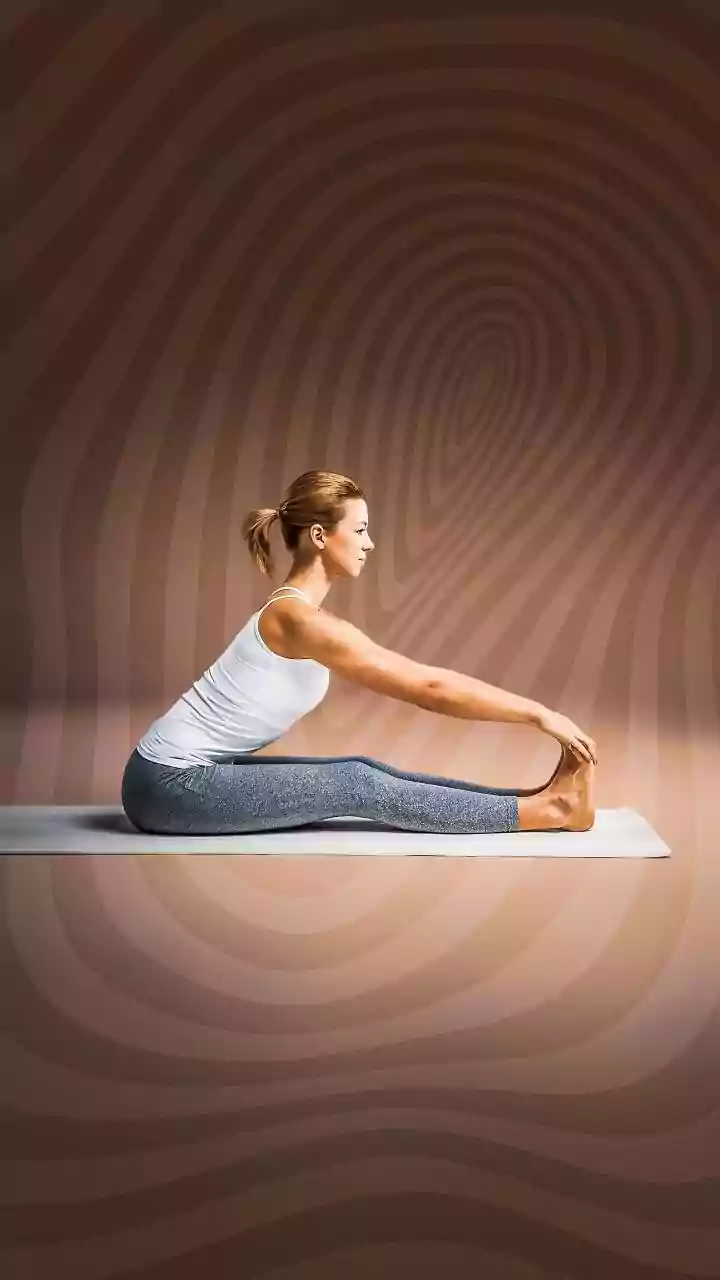
So, what should you do if you're inspired by Shilpa's flexibility? The answer is to build your foundation patiently. Instead of jumping to the final pose, focus on the preparatory asanas that create the necessary openness in the body. Start with Sukhasana (Easy Pose) to get comfortable with a simple cross-legged seat. Practice Baddha Konasana (Bound Angle Pose or Butterfly Pose) regularly to work on opening the inner thighs and hips. Incorporate poses like Janu Sirsasana (Head-to-Knee Pose) and Ankle-to-Knee Pose to safely increase hip mobility. The most critical stepping stone is mastering Ardha Padmasana (Half Lotus Pose), which prepares the joints for the full expression without excessive strain. For the shoulders, practicing Gomukhasana (Cow Face Pose) arms will help develop the range of motion needed for the bind.