




The Great Monsoon Escape
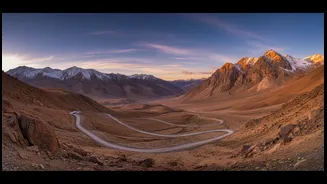
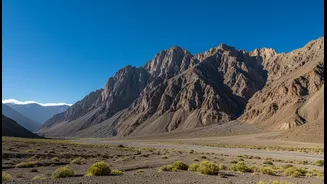
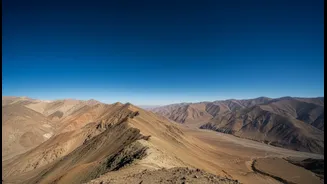
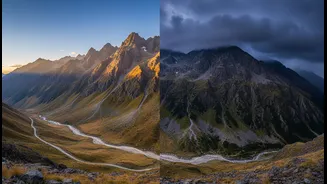
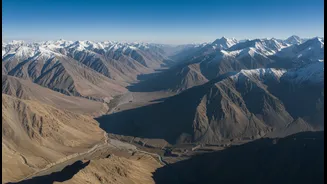
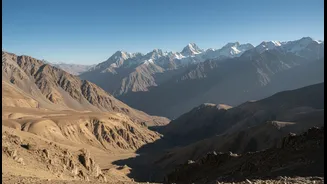
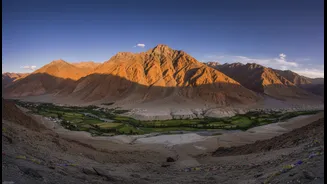
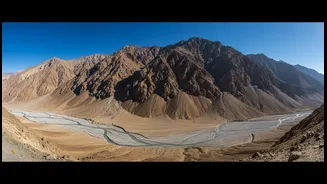
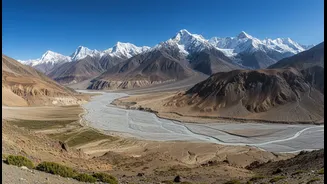
The primary reason for this massive influx is a simple geographical advantage. Both Ladakh and Spiti Valley are located in a 'rain-shadow region'. The towering Himalayan ranges act as a massive barrier, blocking the moisture-laden monsoon clouds that
drench the rest of the country. While cities on the plains deal with humidity, waterlogging, and cancelled plans, these high-altitude deserts offer clear blue skies, bright sunshine, and pleasant daytime temperatures, making them a perfect, predictable getaway during the unpredictable Indian monsoon. It's a classic case of travellers seeking refuge from the deluge.
From Remote Lands to Viral Reels
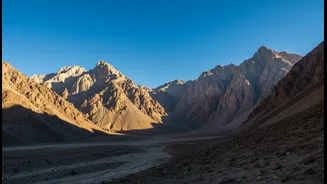
Not long ago, a trip to Ladakh or Spiti was a badge of honour for the most intrepid travellers. Today, it’s a coveted backdrop for the perfect Instagram story. Social media has played an enormous role in this transformation. The stark, dramatic landscapes, turquoise lakes like Pangong Tso, and ancient monasteries provide stunning visual content that fuels aspirational travel among millions. According to some reports, over half of millennial travellers in India are influenced by social media when choosing a destination. Influencers and travel bloggers have demystified these regions, turning them from daunting expeditions into achievable bucket-list trips.
The Journey Has Become Easier
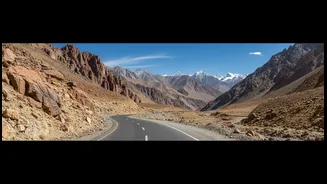
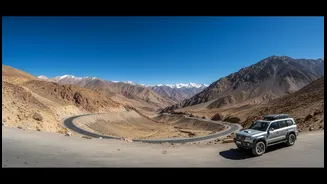
Accessibility has dramatically improved in recent years. The completion of strategic infrastructure like the Atal Tunnel has significantly reduced travel time to Lahaul and Spiti. Similarly, improved road conditions on the Srinagar-Leh and Manali-Leh highways, along with increased flight frequency to Leh, have made the region more accessible to a wider demographic beyond just hardcore bikers and trekkers. While July is peak season with higher prices and more traffic, the journey is no longer the formidable challenge it once was, opening the gates for families and casual tourists.
A Shift in Traveller Mindset
The modern Indian tourist is increasingly seeking more than just a relaxing holiday. There is a growing appetite for adventure and experiential travel. Ladakh and Spiti offer this in abundance. From trekking to high-altitude lakes and river rafting to exploring ancient Buddhist cultures in monasteries like Key and Tabo, these destinations cater to a desire for meaningful and transformative experiences. The recent tourism boom in Ladakh, which saw over 2.25 lakh visitors in the first half of 2026, is a testament to this trend, with officials noting the growth of wellness, spiritual, and rural tourism.
The Flip Side of the Boom
This record-breaking tourism is a double-edged sword. While it is a significant driver of the local economy, accounting for over 60% of Ladakh's revenue, the surge is placing immense pressure on the fragile ecosystem. These are arid regions where resources like water are scarce. The increased footfall brings challenges of waste management, traffic congestion, and potential damage to the delicate natural and cultural heritage. Local administrations and tourism bodies are actively working on promoting sustainable and responsible tourism to mitigate these impacts, ensuring the magic of these regions isn't lost.