




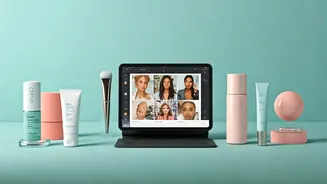


The New Skincare Frontier
For years, the narrative of India's beauty market was written in the metros. But today, a new chapter is unfolding in cities like Jaipur, Lucknow, Indore, and even smaller towns like Cuttack and Gorakhpur. These non-metro markets are rapidly becoming
the primary growth engine for the nation's beauty and personal care industry. According to a recent report from e-commerce giant Flipkart, two out of every three beauty searches on its platform now originate from outside the major metropolitan areas. This surge in interest is translating into serious business; the platform reported a 50% year-on-year growth in its beauty category, significantly fuelled by shoppers in Tier-2 and Tier-3 locations. This isn't just about basic products anymore. Demand for premium and even luxury beauty is accelerating, with more than half of premium sales for platforms like Nykaa now coming from non-metro cities.
Digital Access and E-commerce
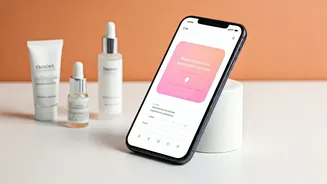
The single biggest catalyst for this transformation is the digital revolution. The proliferation of smartphones and affordable internet has broken down the barriers of access that once kept non-metro consumers on the sidelines. E-commerce platforms like Flipkart, Amazon, Nykaa, and Purplle have become the great equalisers, making a vast catalogue of national and international brands available at the click of a button. Availability, once the main hurdle, is now being solved by robust logistics and the rise of quick commerce. This digital access has fundamentally changed consumer behaviour. Shoppers in smaller cities are no longer limited by the stock of their local stores; they are exploring, researching, and purchasing from a global product pool, driving India to become the world's fastest-growing online beauty market.
The Power of Relatable Influence
Alongside e-commerce, social media has become the primary classroom and discovery engine for this new wave of skincare enthusiasts. Platforms like Instagram and YouTube are where trends are born and product knowledge is shared. Crucially, the rise of regional influencers has made skincare conversations more accessible and relatable. These creators often communicate in local languages, address region-specific concerns (like hard water effects or humidity-focused routines), and review products that fit a more value-conscious budget. This has fostered a sense of trust and community that was previously lacking. Reports indicate that 8 out of 10 Indian beauty shoppers discover new brands via social media, and more than two-thirds of creators in Amazon's network come from non-metro pin codes, highlighting their role in driving commerce.
From Aspiration to Action
Increased disposable incomes and a growing awareness of personal grooming have turned aspiration into action. The conversation has shifted from basic cleansing and moisturizing to sophisticated, multi-step routines involving serums, sunscreens, and science-backed formulations. This new, evolved consumer is ingredient-conscious and outcome-driven. They are actively seeking products to solve specific problems like pigmentation or acne and are willing to invest in quality. This is evident in the booming demand for men's grooming, which has grown by 65% on platforms like Flipkart, with high search volumes for products like men's sunscreen and face wash. Brands are finding that while these consumers may be price-sensitive, they are willing to spend on smaller, trial-sized packs of premium products to experience the benefits.
How Brands Are Responding
The industry is taking notice and adapting its strategy. Both Direct-to-Consumer (D2C) and legacy brands are aggressively targeting Tier-2 and Tier-3 markets. Strategies include creating affordable product lines, offering smaller stock-keeping units (SKUs) to encourage trials, and producing marketing content in vernacular languages. Luxury brands like M.A.C and Sephora are also expanding their physical footprint into cities like Chandigarh, Lucknow, and Kochi, recognising the growing affluence and demand. E-commerce platforms are curating their offerings to regional needs, acknowledging that a consumer in Rajasthan has different skincare priorities than one in Bengaluru. Furthermore, companies are expanding their engagement events, like Flipkart's Glam Up fest, into non-metro cities to connect directly with these vital consumer and creator ecosystems.