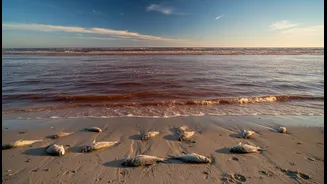









What Are These 'Red Tides'?
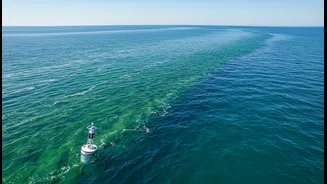
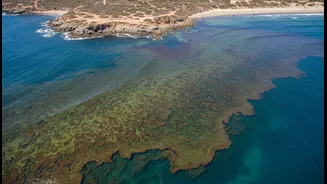
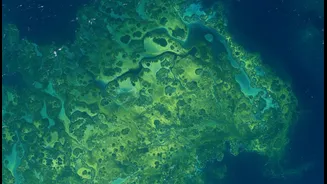
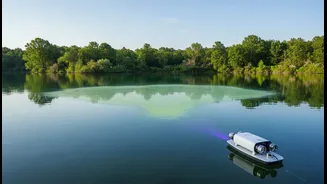
Often called 'red tides', harmful algal blooms are not always red; they can be green, brown, or even invisible. They are dense, rapid growths of microscopic algae in the water. While algae are a natural part of aquatic ecosystems, certain conditions cause
them to multiply explosively. The primary culprits are an excess of nutrients like nitrogen and phosphorus, often flowing into the sea from untreated sewage, industrial waste, and agricultural fertiliser runoff. Coupled with rising sea temperatures due to climate change and sufficient sunlight, these pollutants act as a super-fertiliser for the algae, leading to a massive bloom. These events are becoming more frequent and intense along India's coastlines, from Kerala and Karnataka to Puducherry.
A Catastrophe for Fisheries
For India's fishing communities, an algal bloom can be an economic death sentence. Some blooms are directly toxic, but many cause harm by depleting oxygen in the water as the massive amount of algae dies and decomposes. This creates vast low-oxygen 'dead zones' where fish and other marine life cannot survive, leading to mass fish kills. Furthermore, certain algae produce toxins that accumulate in shellfish like mussels, oysters, and prawns. When consumed, these can cause severe illnesses in humans, such as Paralytic Shellfish Poisoning (PSP), cases of which have been reported in states like Kerala and Tamil Nadu. This forces authorities to close fishing grounds and issue public health warnings, immediately cutting off the income of fishermen and impacting the entire seafood supply chain.
Tourism Washes Ashore
The tourism industry, a vital part of many coastal economies, is another immediate victim. The picturesque beaches that draw visitors become unappealing and sometimes hazardous. The blooms can discolour the water, create foul odours as the algae decay, and litter the shoreline with dead fish. Authorities often issue advisories against swimming and other water activities due to health risks, which can range from skin irritation to respiratory issues caused by airborne toxins. The result is a sharp decline in tourist numbers. Hotels, restaurants, boat operators, and local shops that depend on a steady stream of visitors face devastating financial losses, highlighting the direct link between a healthy marine environment and a thriving tourism sector.
The Human Cost on the Coast
The impacts on fisheries and tourism create a severe ripple effect throughout coastal communities. These sectors are not just businesses; they are the foundation of local livelihoods for millions of people. When fishing boats are docked and hotel rooms are empty, the economic hardship extends to everyone, from market vendors to transport providers. The decline in fish catches and the fear of contaminated seafood affect local diets and food security. For the hundreds of thousands of households in states like Assam, Kerala, and Goa that depend directly on wetlands and coastal waters, a toxic bloom is an existential threat, disrupting a way of life that has been sustained for generations.
Can We Stem the Tide?
Addressing the challenge of HABs requires a multi-pronged approach. Since the blooms are fuelled by human activity, the solutions must be too. This includes investing in better wastewater treatment to reduce the flow of sewage into rivers and seas and promoting sustainable agricultural practices to control fertiliser runoff. Enhanced monitoring is also critical. India's Algal Bloom Information Service (ABIS) is already working to provide warnings for hotspots, which helps fisheries and local authorities prepare. Ultimately, tackling the root causes of pollution and climate change is essential to protect the health of our oceans and the resilience of the coastal communities that depend on them.