





The Invisible Enemy in Your Water
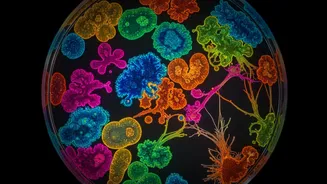
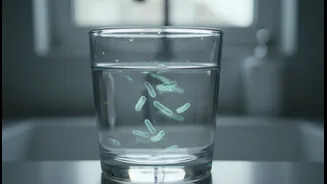
Typhoid fever is a serious bacterial infection caused by Salmonella Typhi. It spreads primarily through food and water contaminated with the fecal matter of an infected person. The bacteria itself is microscopic, meaning it doesn't change the colour,
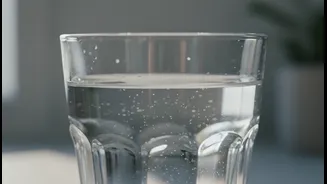
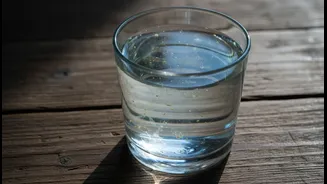
smell, or taste of the water it pollutes. This is a dangerous deception, as a glass of what appears to be pure, sparkling water could harbor a significant health threat. While many people associate waterborne diseases with visibly dirty water, the reality is that clarity is no guarantee of safety. This is particularly true for typhoid, which can thrive unseen in water distribution systems. The World Health Organization (WHO) has highlighted that even with modern water treatment, the risk of contamination remains, especially in areas with aging infrastructure or during periods of environmental stress.
Why Monsoon Months Are Prime Time for Typhoid
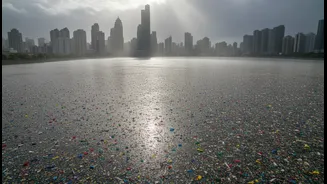
July marks the heart of the monsoon season for much of India, a period consistently linked to a rise in typhoid cases. The connection is no coincidence. Heavy rainfall and flooding create a perfect storm for water contamination. Swollen rivers and overwhelmed drainage systems can cause sewage to mix with sources of drinking water. Aging and damaged water pipelines are especially vulnerable; cracks or illegal cross-connections can allow contaminated groundwater to seep into the main supply that reaches homes. The warm and humid conditions of the monsoon also help the Salmonella bacteria survive longer in the environment. Research indicates that plentiful water and warmer temperatures facilitate the growth and transmission of typhoid bacteria, making the rainy season a high-risk period year after year.
When Water Purifiers Are Not Enough
Many Indian households rely on water purifiers for protection, but these systems are not always foolproof, especially during the monsoon. Health experts warn that a surge in water contamination can overwhelm home filtration systems. Filters that are old, clogged, or not regularly serviced may fail to remove microscopic bacteria like Salmonella Typhi. If a purifier's cartridge is past its replacement date, it can become a breeding ground for bacteria instead of a barrier against it. Public health officials emphasize that filter maintenance is crucial. In areas with poor water quality or frequent flooding, cartridges may need to be replaced more often than the manufacturer recommends to ensure they remain effective at filtering out dangerous pathogens.
How to Actually Keep Your Water Safe
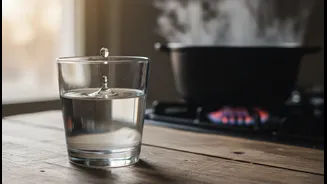
Given the invisible nature of the threat, taking proactive steps is the only reliable way to protect your household. The single most effective method recommended by experts is to boil your drinking water. Bringing water to a rolling boil for at least one full minute kills Salmonella Typhi and other harmful bacteria and viruses. For those using water purifiers, ensure they are well-maintained. Opt for systems with multi-stage purification, such as Reverse Osmosis (RO) combined with Ultraviolet (UV) light, which are effective at removing dissolved solids and deactivating bacteria. Finally, basic hygiene is critical. Wash your hands thoroughly with soap, especially before eating or preparing food. Be cautious with ice in drinks and food from street vendors, as these can also be sources of contaminated water.