
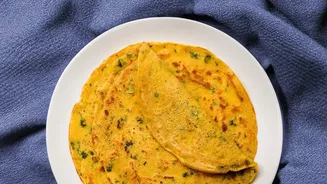
The Resurgence of Regional Pride
For years, the story of Indian food was one of national generalisation, with a few staple dishes representing a billion people. But a powerful counter-movement is gaining ground, starting with the first meal of the day. There's a renewed interest in celebrating
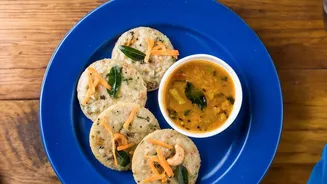
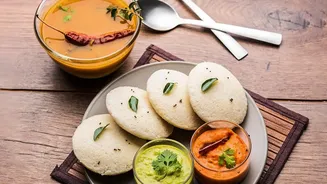
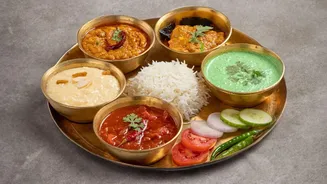
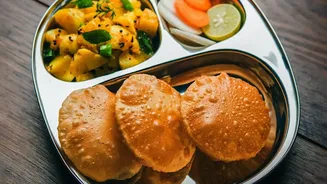
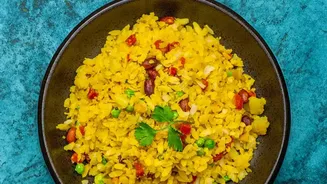
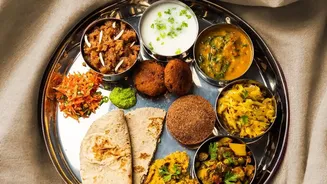
the diversity of India’s regional culinary heritage. Dishes that were once confined to their home states are now finding admirers across the country. Think of the humble poha, once a staple of Maharashtra and its neighbours, now a go-to quick breakfast in cities nationwide. Similarly, South Indian classics like soft, steamed idlis and savoury upma are no longer just southern comforts but are enjoyed everywhere. This isn't just about nostalgia; it's a conscious choice. Diners are gravitating towards dishes that feel rooted and soul-satisfying. Chefs and food bloggers have played a significant role, showcasing the rich flavours of local cuisines, from fiery Chettinad delights to the aromatic dishes of Kerala, encouraging a new generation to rediscover their culinary roots.
A Global Palate for Breakfast
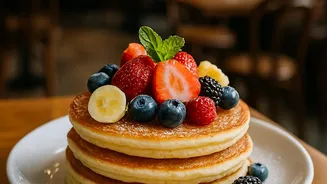
At the same time that regional foods are gaining prominence, the Indian breakfast plate is also making room for the world. Globalisation, travel, and media exposure have introduced a new menu of morning options. Smoothie bowls, vibrant with fruits and seeds, are becoming a common sight, especially in urban areas. Pancakes, waffles, and avocado toast, once considered café novelties, are now weekend staples in many homes. The rise of oats is another key indicator, moving beyond simple porridge to versatile forms like overnight oats and savoury upma-style preparations. This shift is partly driven by convenience, as busy urban lifestyles demand quicker meal solutions that don't require elaborate cooking. But it's also about aspiration and the influence of global wellness trends, where breakfast is framed as a nutrient-packed, aesthetically pleasing start to the day.
The Forces Shaping Our Morning Meals
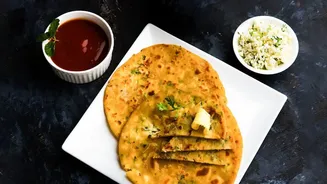
Several factors are stirring this breakfast revolution. Social media is a major catalyst, where a beautifully plated ragi dosa can get as much attention as an artful acai bowl. Food bloggers and influencers have been instrumental, creating a visual feast that encourages experimentation. Health consciousness is another powerful driver. Consumers are increasingly looking for breakfasts that are light yet satisfying, balancing protein, fibre, and complex carbs. This has led to a revival of ancient grains like millets (jowar, bajra, ragi), which are now appearing in modern formats like dosa mixes and breakfast cereals. Convenience remains king, especially for younger generations. The availability of ready-to-cook mixes for both traditional dishes like idli and modern options like oat pancakes caters to the need for speed on busy mornings. Finally, urbanization brings people from different regions together, creating a melting pot of culinary exchange where a Punjabi household might try appam and a Bengali family discovers thepla.
The New Indian Breakfast Table
Ultimately, this isn't a battle between tradition and modernity. It's an expansion of choice. The modern Indian breakfast is not about replacing dosa with pancakes, but about having both. One morning might start with a comforting bowl of vegetable upma, and the next with a protein-rich Greek yogurt parfait. This reflects a fluid, confident Indian identity—one that cherishes its own vast culinary tapestry while enthusiastically borrowing from the world. The breakfast table has become a reflection of India itself: diverse, evolving, and open to new experiences. It's a place where a time-tested recipe for moong dal chilla coexists happily with a trendy chia seed pudding, proving that our morning meals can be both deeply local and delightfully global at the same time.