


The Hidden Danger of a Wet Floor
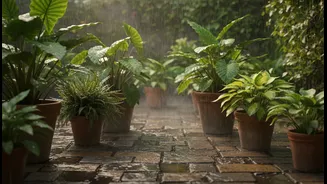
A wet balcony floor is more dangerous to your plants than a simple case of overwatering. Unlike in a garden bed, water on hard surfaces like concrete or tiles has nowhere to go. When pots sit directly on this wet surface, the drainage holes can become
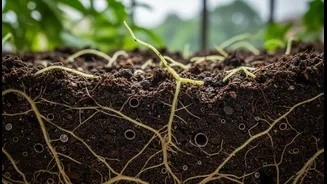
blocked, or worse, the pot can reabsorb the dirty water, creating a constantly waterlogged environment at the base. This condition, often called 'wet feet,' is a primary trigger for root suffocation. Plant roots need to breathe; they require oxygen from small air pockets in the soil. When these pockets are perpetually filled with water, the roots effectively start to drown long before any visible signs of distress appear on the leaves.
Recognising the Signs of Root Rot
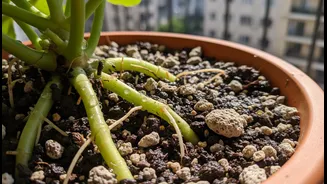
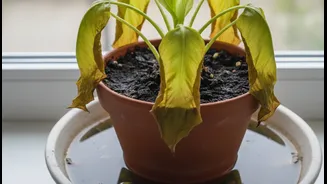
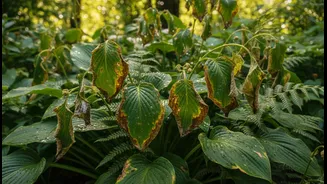
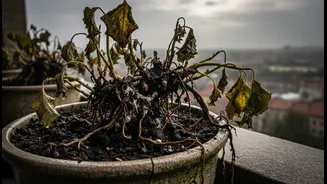
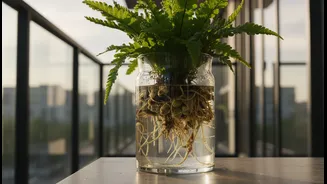
Root rot is a disease caused by fungi that thrive in oxygen-deprived, wet soil. By the time you notice symptoms, the damage underground is often well underway. The most misleading sign is wilting. You might see your plant drooping and assume it's thirsty, but if the soil is damp, wilting is a major red flag that the roots are no longer functioning properly and can't absorb water. Other classic symptoms include yellowing leaves, particularly lower ones, stunted growth, and a generally unhealthy appearance. If you suspect a problem, you may notice a sour or swampy smell coming from the soil. The only way to be certain is to gently slide the plant out of its pot. Healthy roots are typically firm and white or light-coloured, while rotting roots will be brown or black, mushy, and may fall apart when touched.
Elevate Your Pots, Elevate Your Success
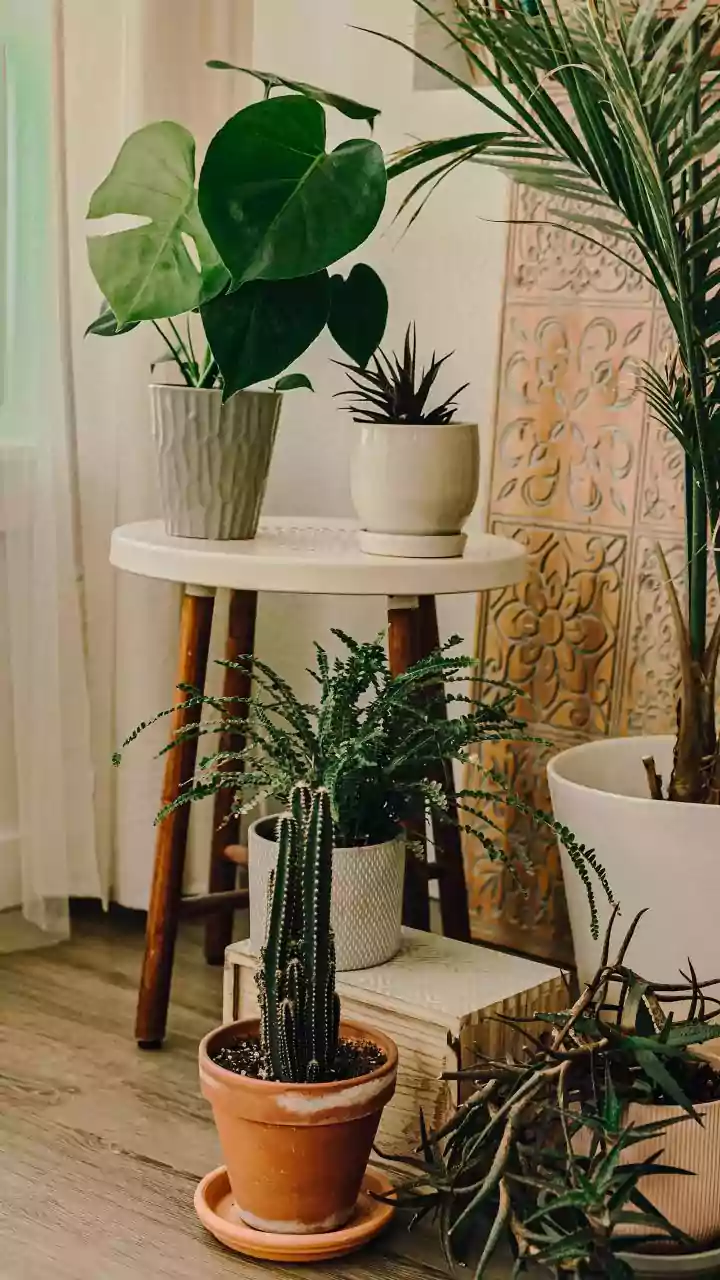
One of the simplest and most effective ways to combat root rot is to lift your pots off the balcony floor. Even a centimetre of clearance can make a world of difference. Using 'pot feet', small risers, or a plant stand allows air to circulate underneath the container and ensures that drainage holes are never sealed by the floor. This small gap allows excess water to escape freely after watering or heavy rain, preventing the pot from sitting in a puddle. This single change breaks the cycle of waterlogging and reabsorption, dramatically reducing the risk of your plants developing wet feet.
The Right Home: Pots and Potting Mix
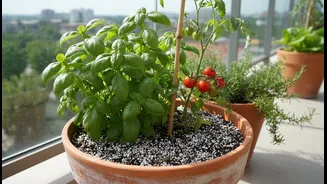
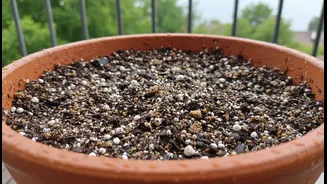
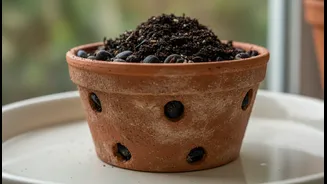
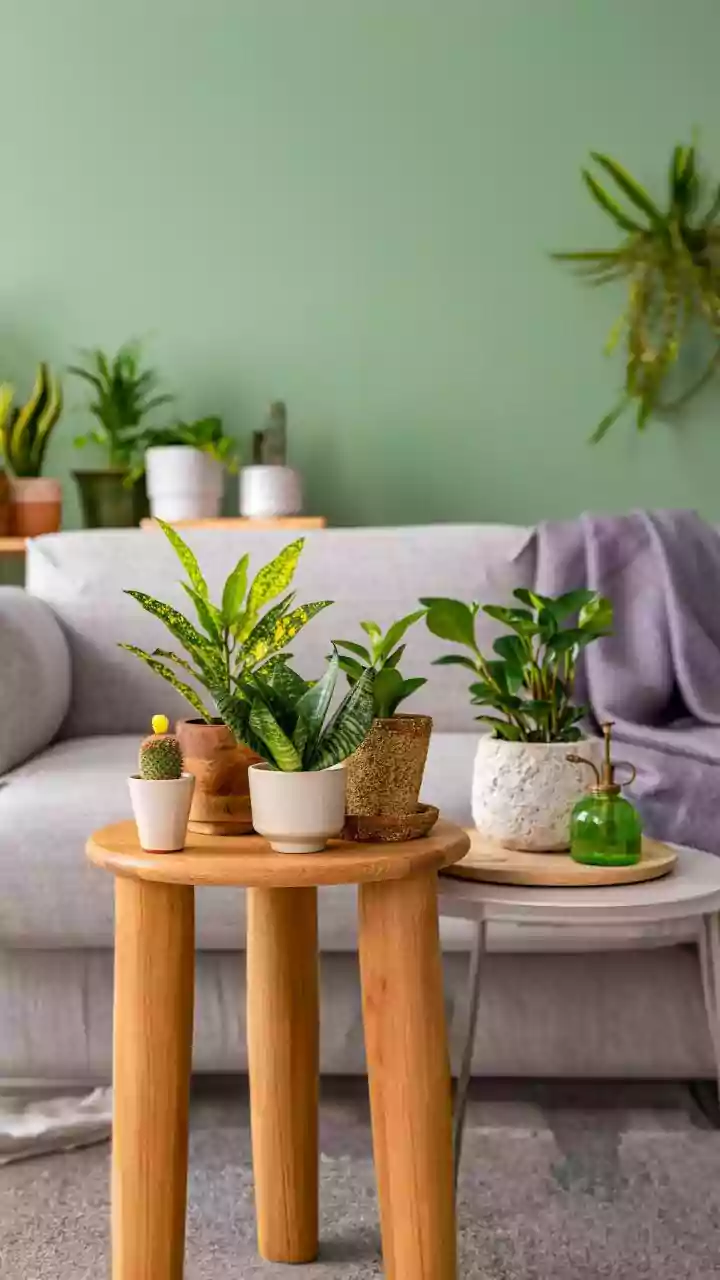
Your choice of container and soil is your first line of defence. Always use pots with adequate drainage holes; decorative pots without them should only be used as an outer 'cachepot' with a functional nursery pot inside. Terracotta pots are an excellent choice for Indian balconies as their porous nature allows soil to breathe and moisture to evaporate through the sides. Just as importantly, never use regular garden soil in your containers. It compacts easily, drains poorly, and suffocates roots. A good quality potting mix designed for containers is essential. For best results, use a mix of cocopeat, compost, and an aerating agent like perlite or coarse sand to create a light, fluffy medium that holds moisture without becoming waterlogged.
Smarter Watering Habits
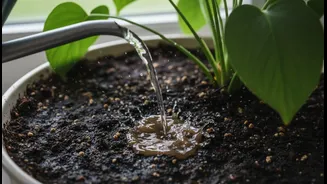
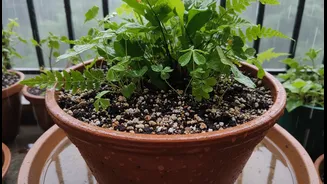
Overwatering is less about the amount of water you give at one time and more about how frequently you water. The golden rule is to always check the soil before watering again. The 'finger test' is a reliable method: insert your finger about an-inch or two into the soil. If it feels dry at that depth, it's time to water. Water thoroughly until it runs out of the drainage holes, then allow the pot to drain completely. Crucially, if you use saucers or drip trays, make sure to empty any collected water within about 30 minutes. Allowing a pot to sit in a full saucer completely negates the benefits of good drainage and is a direct invitation for root rot.