




From Niche to Mainstream
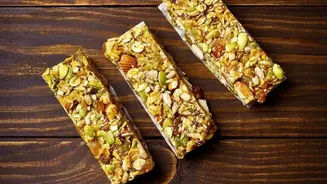
Just a few years ago, protein bars and shakes were confined to specialty fitness stores. Today, they're everywhere, from quick-commerce apps to local kirana stores. The numbers back this up: one leading quick commerce platform reported a 150% surge in protein-related
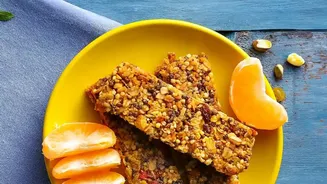
orders over the past two years. This boom isn't just about bars; it includes protein-fortified chips, biscuits, yogurts, and even traditional staples getting a high-protein makeover. A 2026 report found that a staggering 86% of Indian consumers now consider protein an important factor when choosing a snack, a clear signal that it has moved from a niche concern to a mainstream priority.
Health as a Status Symbol
For many young, urban Indians, wellness is the new hustle. This generation is proactively investing in their long-term health, viewing it as a crucial component of a successful life. In a culture where careers are demanding and lifestyles are fast-paced, fitness is no longer just about preventing illness; it's about optimizing performance. A protein snack is a convenient, functional tool in this pursuit. It’s a quick refuel after a workout, a smart choice during a busy workday, and a visible badge of a health-conscious lifestyle promoted by countless social media influencers. This mindset treats the body as an investment, and nutritious food is the daily deposit.
Convenience for a Generation on the Go
The structure of daily life has changed. Traditional sit-down meals are often replaced by 'snackification'—smaller, more frequent eating occasions throughout the day. For young professionals juggling long commutes, demanding jobs, and active social lives, convenience is king. Protein snacks perfectly fit this need, offering a filling, functional, and portable option that requires no preparation. They provide a sense of fullness that many traditional, carbohydrate-heavy snacks don't, making them a practical choice for managing appetite and energy levels during a hectic day.
The Aspiration Beyond the Metros
Perhaps the most telling aspect of this trend is its geography. While cities like Bengaluru lead in overall demand, the fastest growth is happening in Tier-2 and Tier-3 cities like Nagpur, Jaipur, and Guwahati. Demand in these emerging markets is reportedly growing over 200% faster than in the metros. This indicates that the desire for a modern, health-focused lifestyle is not limited to India's biggest urban centres. Thanks to digital connectivity and the influence of social media, aspirations are spreading rapidly. Brands are taking notice, expanding their distribution and making these products more accessible to a wider population eager to participate in national wellness trends.
Reading the Fine Print
This isn't just about adding any protein; it's about choosing the 'right' kind. Young consumers are becoming savvy label-readers, scrutinizing ingredient lists for transparency and quality. A recent survey highlighted that 62% of shoppers consider clear ingredient information the most important factor when choosing a snack brand, ranking it above celebrity endorsements. There's a growing preference for 'clean-label' products with natural sweeteners like dates or jaggery over refined sugar. This shows a deeper level of engagement with nutrition, where consumers aren't just buying a trend but are making educated choices about what they put into their bodies. They are willing to pay a premium for products they trust.