




A Tradition Goes Viral
Before it became a TikTok sensation, rice water was a staple in many Asian beauty traditions for centuries. The practice is famously linked to the Yao women of Huangluo, China, whose incredibly long, strong, and dark hair is attributed to their routine
of washing it in fermented rice water. In Japan, court ladies during the Heian period (794 to 1185) were also known to use Yu-Su-Ru (the rinse water from washing rice) to keep their floor-length hair healthy and beautiful. This long-standing history gives the trend a foundation of cultural authority, which has been amplified by the global rise of K-beauty and a collective desire for natural, affordable, and sustainable beauty solutions.
The Science Inside the Grain
So, what exactly is in this starchy water that makes it so appealing? Rice water is packed with nutrients that are beneficial for hair and skin. It contains a wealth of amino acids, which are the building blocks of protein, essential for hair strength. It's also rich in vitamins B and E, and minerals. The star ingredient often cited is inositol, a carbohydrate that has been shown in some studies to penetrate damaged hair and repair it from the inside out. It also stays in the hair even after rinsing, offering continued protection. Additionally, rice water contains antioxidants like ferulic acid, which helps protect against environmental damage.
The Case for Your Hair
The anecdotal evidence is overwhelming: users report everything from increased shine and softness to reduced breakage and faster growth. The theory is that the proteins help fortify the hair shaft, smoothing the cuticle and increasing elasticity, which makes it less prone to snapping. The inositol helps improve manageability and reduces surface friction. While rigorous, large-scale scientific studies are lacking, the chemical composition of rice water supports these claims. It’s essentially a mild protein treatment. For those with fine, limp, or damaged hair, a rice water rinse can provide a noticeable boost in volume and strength. The starchy coating adds body, making hair feel thicker and look fuller.
A Soothing Skin Treatment?
The benefits aren't just for your hair. Rice water has long been used as a gentle facial cleanser and toner. Its anti-inflammatory properties can help soothe skin conditions like eczema and acne, reducing redness and irritation. The starches in the water are believed to help strengthen the skin's natural barrier, locking in moisture and protecting it from pollutants. Some users also report a brightening effect and a reduction in the appearance of pores. While it’s not a substitute for prescribed dermatological treatments, many find it to be a calming, non-irritating addition to their skincare routine, particularly for those with sensitive skin.
Your DIY Rice Water Guide
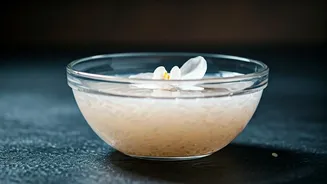
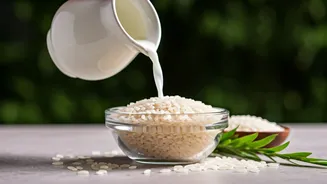
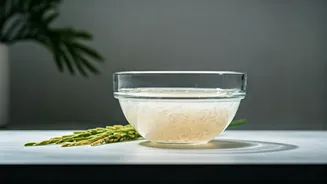
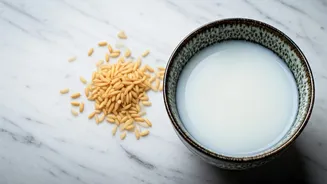
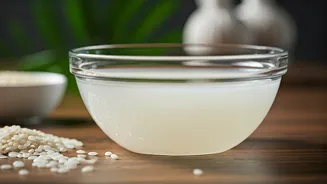
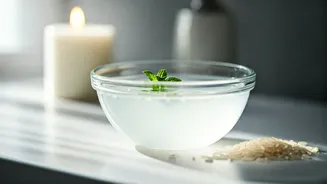
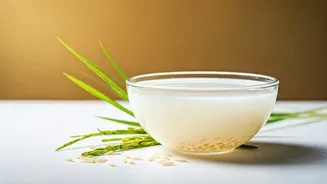
Making your own rice water is incredibly simple. The easiest method is soaking. 1. Rinse half a cup of any type of uncooked rice (like jasmine or plain white rice) to remove any surface dirt. 2. Place the rinsed rice in a bowl and cover with two to three cups of water. 3. Let it soak for at least 30 minutes, or up to a few hours. Swirl it around or gently knead it until the water turns milky white. 4. Strain the rice, reserving the water in a clean jar or spray bottle. To use, shampoo and rinse your hair as usual, then pour or spray the rice water over your hair and scalp. Massage it in and let it sit for up to 20 minutes before rinsing thoroughly with cool water. For skin, you can apply it with a cotton pad as a toner.
A Word of Caution
While rice water is generally safe, it's not a one-size-fits-all solution. For some, especially those with low-porosity or protein-sensitive hair, it can lead to 'protein overload.' This can make hair feel stiff, dry, and brittle. It’s best to start by using it once a week and see how your hair responds. If it feels dry, reduce the frequency or follow up with a deep-conditioning mask. As with any new skincare product, it's wise to do a patch test before applying it to your face to check for any allergic reactions. Finally, since this is a homemade concoction without preservatives, it can spoil quickly. Store it in the refrigerator and use it within a week.