






The Illusion of the Low Price Tag
For millions of Indians, the choice is simple: grab the travel option with the lowest upfront price. Non-AC sleeper train tickets and interstate bus fares often appear significantly cheaper than a flight, making them the default for budget-conscious travellers.
A train ticket can be several hundred to a few thousand rupees less than an airline ticket for the same route. This initial saving is powerful, creating a strong psychological incentive to opt for surface transport, especially for long-distance journeys where the price difference seems most dramatic. However, this ticket price is merely the entry fee. The true cost of the journey unfolds over hours, or even days, in a series of small, often unplanned, expenses that can quickly erode those initial savings.
The High Price of Time
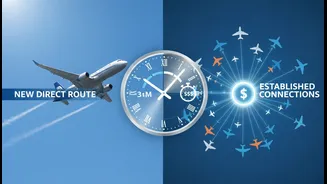
The most significant hidden cost is time. A two-hour flight can replace a 24- to 36-hour train or bus journey. For a salaried professional, this could mean losing one or two days of work. For a daily wage earner, it's a direct loss of income. Even for those on vacation, it's two fewer days of relaxation or exploration. This 'opportunity cost' is crucial. If a day of your time is worth more than the savings from the cheaper ticket, the math starts to favour air travel. While trains in India are lauded for their connectivity, even premium services can face delays, and road travel is subject to the unpredictability of traffic and road conditions, turning a long journey into an exhausting marathon.
The On-the-Road Spending Trap
A long journey by bus or train is a minefield of ancillary costs. Food and water sold at railway stations or bus depots are notoriously overpriced. A bottle of water or a packet of biscuits can cost significantly more than at a local shop. Over a 30-hour journey, a family of four could easily spend a substantial amount on meals, snacks, and beverages, often of questionable quality. Furthermore, long delays or inconvenient arrival times (like 3 AM) might necessitate booking a hotel room for a few hours, a significant unplanned expense. These small purchases, which feel minor in the moment, can accumulate to an amount that rivals the initial ticket savings.
Last-Mile Connectivity Hurdles
The journey doesn't end at the station. Bus terminals and railway stations, especially in larger cities, are often located far from residential or business hubs. The cost of getting from the station to your final destination can be a major expense. Travellers are often at the mercy of auto-rickshaw and taxi drivers who may charge exorbitant rates, knowing you have limited options. A study on Delhi Metro usage found that weak last-mile connectivity often increases the overall cost of commuting, sometimes costing more than the main journey itself. In contrast, airports, while also on the outskirts, often have more regulated and diverse options like prepaid taxis and dedicated bus services, making the final leg of the journey more predictable in terms of cost.
Comfort, Health, and Safety
While harder to quantify, the physical and mental toll of a long, uncomfortable journey has a cost. Sleepless nights in a bumpy bus or a crowded train compartment can leave you exhausted, impacting your health and productivity for days after you arrive. Lack of clean restroom facilities is a major concern, particularly for women and the elderly. While budget airlines have their own set of hidden fees for baggage and seat selection, they offer a baseline of speed and reduced physical stress that surface transport, for all its nostalgic charm, often cannot match. The perceived safety of rail and air travel is also often cited as a reason to avoid long road journeys.
Calculating Your True Travel Cost
So, how do you decide? Before booking your next trip, don't just compare ticket prices. Create a 'total journey cost' estimate. For a train or bus, add the ticket price to a realistic budget for food and drinks, the cost of last-mile transport, and critically, assign a value to your time. For a flight, add the base fare to potential baggage fees and the cost of transport from the airport. You may be surprised to find that for many long-distance routes, especially when booked in advance, flying is not just faster but can also be more economical when all factors are considered. Reports have shown that on certain routes, air travel can be cheaper than even AC train fares.