







Beyond the Annual Chariot Festival
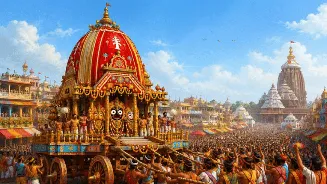
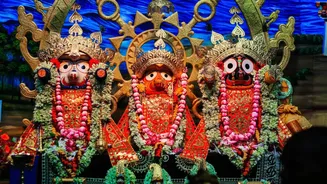
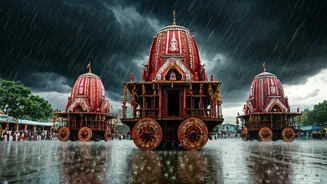
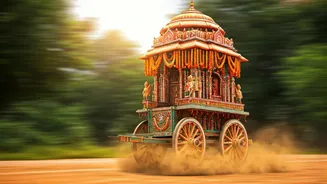
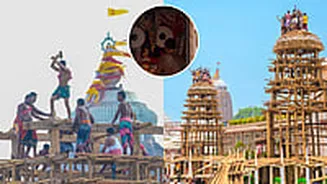
The Jagannath Temple in Puri is not just a place of worship; it's a vibrant, living institution where devotion is expressed through a continuous cycle of festivals and ceremonies. [3] While the Rath Yatra, the annual chariot journey of Lord Jagannath,
his brother Balabhadra, and sister Subhadra, is the most famous event, it is preceded and followed by dozens of other significant rituals that form an intricate spiritual calendar. [5] From the ceremonial bathing during Snana Yatra to the symbolic slumber of Hari Sayan, each event has deep-rooted significance. [3, 5] This packed schedule of 'nitis' or rituals means the temple is in a state of constant celebration, a fact that is now being discovered by a new generation of devotees and cultural enthusiasts. [2, 6]
A Year of Divine Observance
The ritual year in Puri is dense with activity. A key event leading up to the Rath Yatra is the Snana Yatra, or the bathing festival, held on the full moon day of the month of Jyestha. [27] During this ceremony, the deities are brought to an open-air altar and bathed with 108 pitchers of sacred water, a rare chance for public viewing. [3, 27] This is followed by the 'Anasara' period, a 14-day seclusion where the deities are said to be recuperating, away from public view. [7, 27] Other notable festivals include Chandan Yatra, a 21-day festival where the deities' representative idols enjoy boat rides in the Narendra Tank, and Dola Yatra, which is connected to the festival of Holi. [4, 6] The Nabakalebara, a highly significant ritual involving the recreation of the wooden idols, occurs every 12 to 19 years and underscores the theme of renewal. [11, 19]
What’s Driving the Newfound Interest?
Several factors are contributing to the growing attention on Puri's complete ritual calendar. A significant driver is the rise in spiritual tourism, with recent data from 2025 and 2026 showing a marked increase in visitor footfall to Puri. [7, 8] This isn't just about pilgrimage; travellers are increasingly seeking deeper cultural and multidimensional experiences, combining temple visits with beach holidays and local exploration. [8] Furthermore, major infrastructure developments, particularly the Srimandir Parikrama project inaugurated in January 2024, have transformed the area around the temple. [14, 22] This heritage corridor has improved amenities, provided unobstructed views of the temple, and created dedicated spaces for devotees, making the temple complex more accessible and welcoming for large crowds. [21, 26]
The Digital Darshan and Global Reach
In the digital age, geography is no longer a barrier to devotion. The live streaming of key festivals like the Rath Yatra and Snana Yatra on platforms like YouTube allows millions of people worldwide to participate virtually. [12, 13, 27] News channels and social media provide real-time updates and visual explainers, demystifying complex rituals for a global audience. [24] This digital 'darshan' has been crucial in expanding the temple's reach, creating a global community of followers who may never have the chance to visit in person. This increased visibility helps foster a greater appreciation for the intricacies of Jagannath culture far beyond Odisha's borders.