



Why Your Body Needs More Fibre
Often called 'roughage', dietary fibre is a type of carbohydrate that our bodies cannot easily digest. It plays a critical role in maintaining good health. Soluble fibre, found in oats, beans, and apples, dissolves in water to form a gel-like substance
that helps lower cholesterol and regulate blood sugar. Insoluble fibre, found in whole grains and vegetables, adds bulk to stool and promotes regular bowel movements. The Indian Council of Medical Research (ICMR) recommends that adults consume about 25-40 grams of fibre daily. However, studies show that many urban Indians consume only about 15 grams per day, creating a significant 'fibre gap'. This shortfall is linked to a rise in constipation, fluctuating blood sugar levels, and other lifestyle-related health concerns.
The Shift to Refined Grains
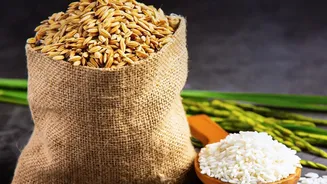
For centuries, traditional Indian diets were naturally high in fibre, thanks to the widespread use of millets and whole grains. However, the modern Indian kitchen has seen a major shift towards refined grains like polished white rice and maida (refined wheat flour). During the refining process, the grain's bran and germ are stripped away. While this results in a softer texture and longer shelf life, it also removes most of the fibre, vitamins, and minerals. This means that staples like white bread, biscuits, and even some rotis made from fine atta may offer quick energy but lack the wholesome nutrition of their unrefined counterparts. The convenience of these processed foods has inadvertently reduced the fibre content on our daily plates.
Power Up with Pulses and Legumes
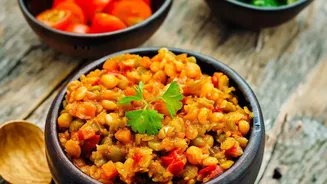
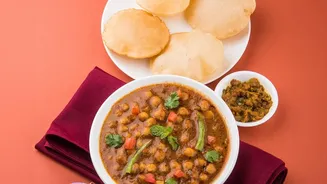
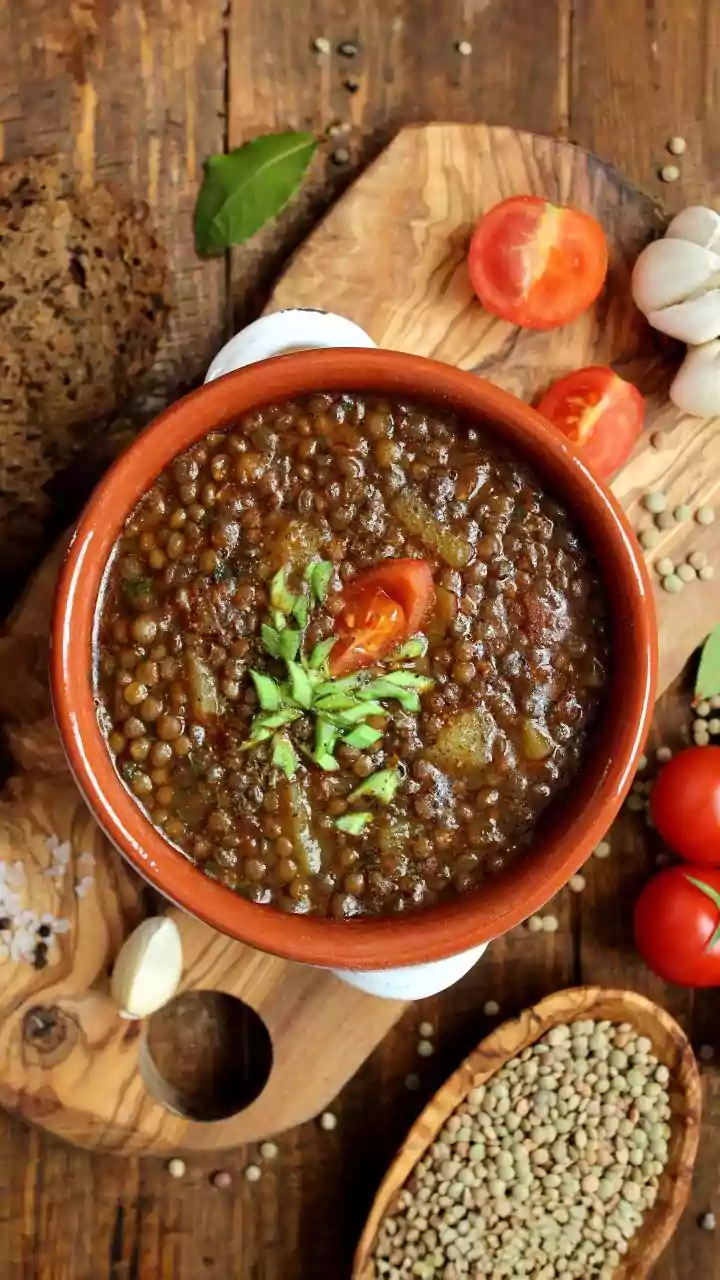
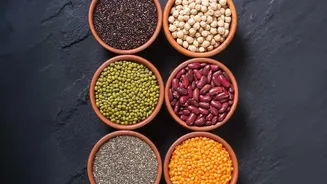
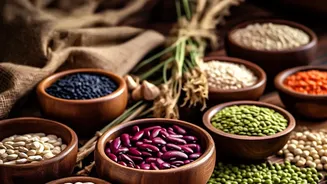
Pulses are the heart of Indian cuisine and a fantastic source of fibre. A single serving of dal, chana, or rajma can significantly boost your daily intake. For instance, a 100g serving of raw dal can contain between 8-12g of fibre. These foods are packed with both soluble and insoluble fibre, which aids digestion and promotes a feeling of fullness, helping to manage weight. To maximise benefits, try to include a dal or legume dish with every main meal. Opt for whole pulses like whole moong or black chana over their split versions when possible, and prepare them as a thick dal rather than a thin, strained soup to retain more of their fibrous goodness. Roasted chickpeas or a simple sprout chaat also make for excellent high-fibre snacks.
Embrace a Rainbow of Vegetables
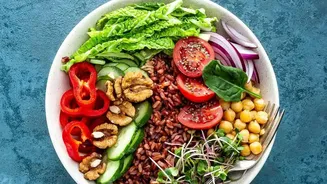
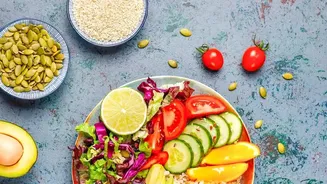
Vegetables are a cornerstone of a high-fibre diet. Indian cuisine offers a vast array of choices that are both delicious and nutritious. Leafy greens like spinach (palak) and fenugreek (methi) are excellent sources. Other common vegetables packed with fibre include okra (bhindi), bottle gourd (lauki), carrots, and beetroot. Aim to fill at least half of your plate with vegetables, combining both cooked sabzis and raw salads. Including a simple 'kachumber' salad (chopped onions, tomatoes, cucumbers) with your meals is an easy way to add raw fibre. When cooking vegetables, try to avoid overcooking them to preserve their nutritional content and fibrous texture.
Make Smart Swaps with Grains
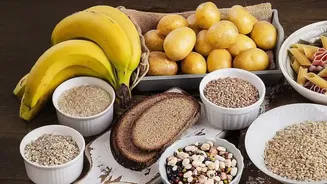
Reintroducing traditional grains is one of the most effective ways to increase fibre. Instead of relying solely on refined wheat flour, consider using atta that is less processed or blended with other grains. Making rotis from millets like jowar (sorghum), bajra (pearl millet), and ragi (finger millet) can dramatically increase fibre content. Millets contain more dietary fibre compared to refined grains, which helps in slower digestion and provides a steadier release of energy. Similarly, swapping polished white rice for brown rice or red rice can make a significant difference. You don't have to replace all your grains at once; start by incorporating millet rotis or brown rice into a few meals per week and gradually increase from there.
Don't Forget Fruits, Nuts, and Seeds
Fruits are a sweet and easy way to get more fibre. Whenever possible, eat fruits with their skin on, as a lot of the fibre is concentrated there. Guava, apples, pears, and bananas are great everyday choices. Amla is another exceptionally high-fibre option. Instead of fruit juices, which are stripped of their fibre, opt for the whole fruit. Nuts and seeds like almonds, walnuts, and flax seeds are also dense in fibre and healthy fats. A small handful can be eaten as a snack or sprinkled over porridge, yogurt, or salads to add an extra crunch and a nutrient boost.